France Ebola Case 2026 Confirmed as First Infection Outside Africa
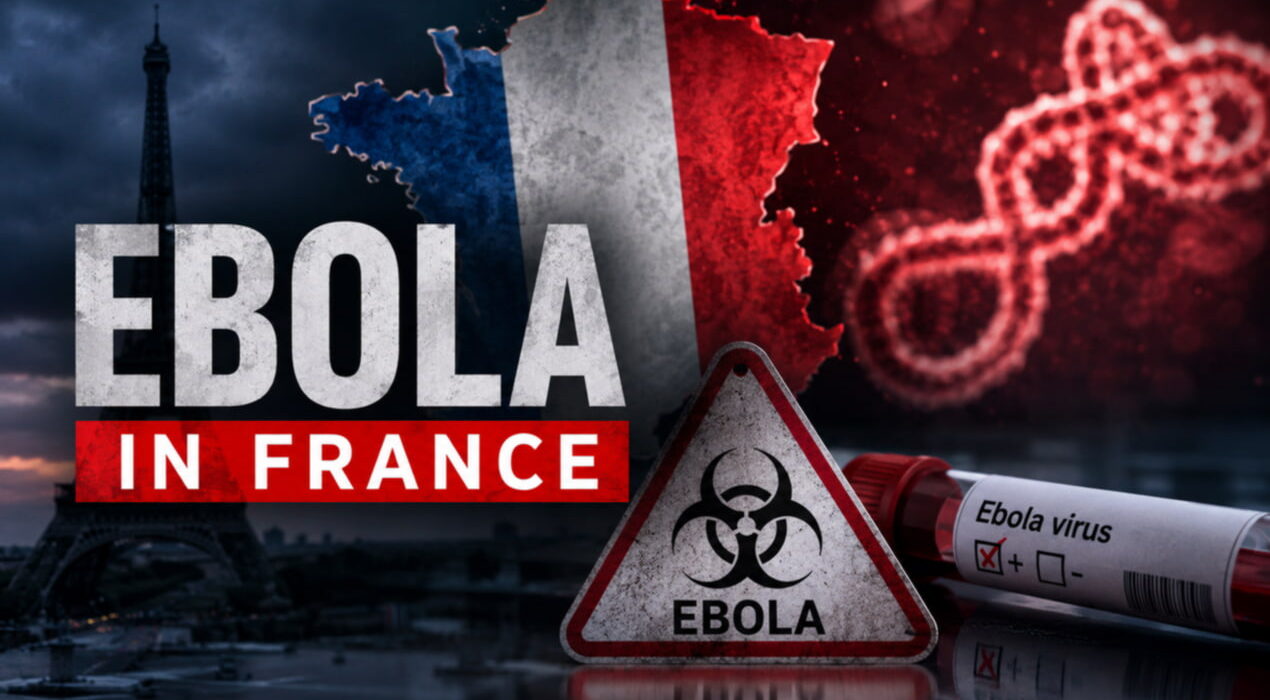
France has confirmed its first-ever Ebola case, marking the first confirmed infection outside Africa during the current outbreak. The patient is a doctor who recently returned from the Democratic Republic of Congo (DRC), where health authorities are battling a major Ebola outbreak.
The French Health Ministry said the doctor arrived in Paris on Tuesday aboard a commercial flight from Kinshasa. Initially, the patient showed only mild symptoms, including headaches. However, the condition slightly worsened during the journey. As a result, medical teams isolated the doctor immediately after landing and began treatment before confirming the diagnosis.
Health Authorities Launch Precautionary Measures
Officials reported that the patient remains in stable condition and carries a very low viral load. Air France confirmed that the doctor traveled on one of its flights and provided the passenger list to health authorities.
Meanwhile, French Health Minister Stephanie Rist said officials identified five passengers as possible contacts. Authorities have placed them in isolation as a precaution. In addition, Prime Minister Sebastien Lecornu is closely monitoring the situation. However, health officials stressed that the risk of transmission remains low.
DRC Outbreak Continues to Grow
The current Ebola outbreak in the DRC began on May 15 after several unexplained deaths in the eastern Ituri province. According to official figures, authorities have recorded more than 1,000 cases and 267 deaths.
Experts believe the actual number could be higher because many affected communities live in remote areas. Furthermore, the outbreak involves the Bundibugyo strain of Ebola. Currently, no approved vaccine or treatment exists for this strain.
Global Risk Remains Low
The World Health Organization continues to assess the situation. WHO Director-General Tedros Adhanom Ghebreyesus said the global risk remains low despite the latest case.
Public health experts note that Ebola is less contagious than many respiratory diseases. Therefore, they believe rapid isolation, contact tracing, and monitoring can help prevent wider spread. Health authorities across Europe are now watching developments closely while coordinating with international partners to contain the outbreak effectively and protect public health.