Pakistan Hydropower Cost Crisis Rs3.9 Trillion Burden Revealed
Pakistan is facing a serious hydropower cost crisis Pakistan problem. Major dam projects now cost Rs3.9 trillion. Delays and poor planning caused this sharp increase. According to the Auditor General’s 2025-26 report, the financial impact is already visible. The country faced losses of over Rs358 billion in FY2024-25. These losses came from delays, revenue gaps, and rising costs.
Dasu Project Sees Massive Cost Increase
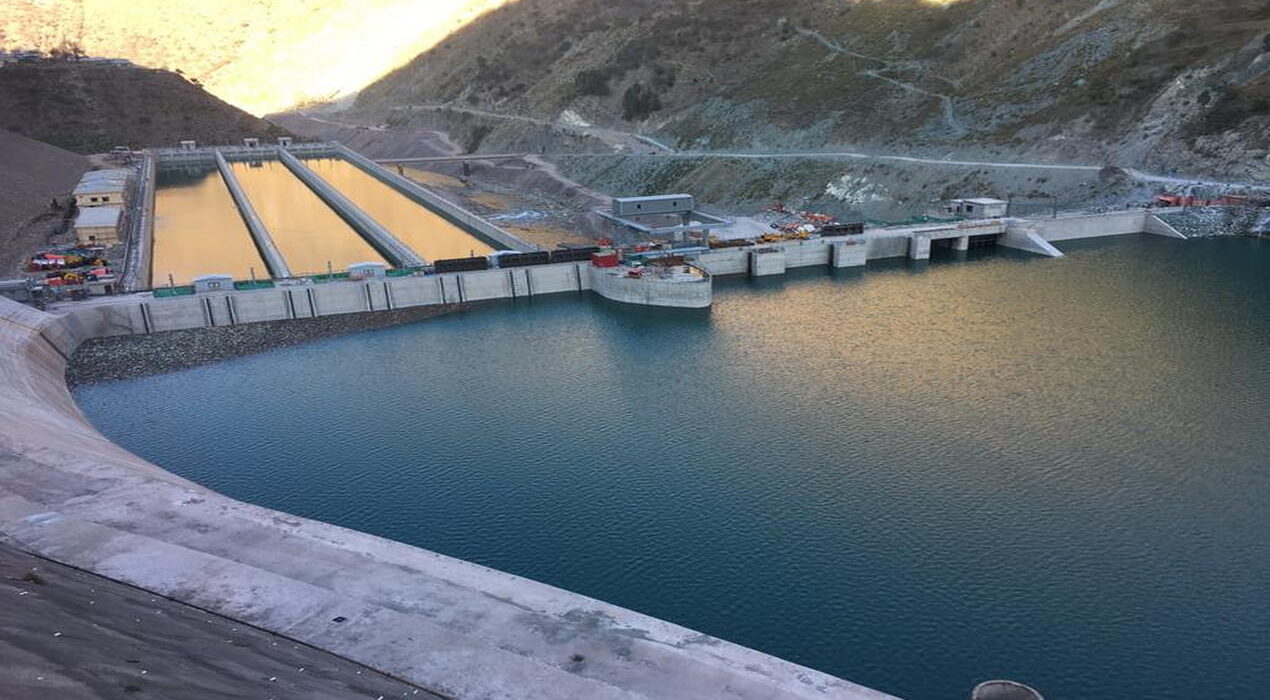
The Dasu Hydropower Project shows the biggest jump in costs. Its budget rose by 257% from initial estimates. The cost increased from Rs486 billion to Rs1.737 trillion. However, progress remains slow. The project reached only 26% completion despite using most funds. In addition, its deadline moved from 2019 to 2028. Land issues continue to create problems. Authorities still need to acquire key areas due to disputes. As a result, construction delays persist.
Diamer Bhasha Dam Moves Slowly
The Diamer Bhasha Dam also faces delays. Physical progress stands below 20%, which is far behind the target. Meanwhile, financial spending has crossed 39%. Land acquisition remains incomplete even after 17 years. Thousands of affected people still await resettlement. Only one model village is under development so far. In addition, design changes and irregular payments slowed the process. These issues pushed the timeline beyond the expected 2027 completion date.
Neelum Jhelum Faces Operational Losses
The Neelum Jhelum project suffers from operational failures. Tunnel collapses in 2022 and 2024 forced shutdowns. As a result, the project stopped generating power. This shutdown caused heavy financial losses. The project loses Rs29 billion every year. Moreover, business interruption losses reached Rs99 billion. Revenue shortfalls added further pressure. Unapproved tariffs caused a loss of over Rs77 billion. Therefore, the project continues to struggle financially.
Key Challenges Behind the Crisis
Several factors caused this hydropower cost crisis in Pakistan. Poor planning played a major role. In addition, delays in land acquisition slowed progress. Design changes also increased costs. Moreover, weak oversight allowed financial irregularities. As a result, these projects became more expensive over time. These rising costs create pressure on the national economy. Public funds continue to support delayed projects. Therefore, better planning and transparency are essential. Improving project management can reduce future losses. In addition, faster decision making may help complete projects on time. Without reforms, costs may continue to rise.