Trump Drug Pricing Plan Faces Resistance From Smaller Pharma Companies
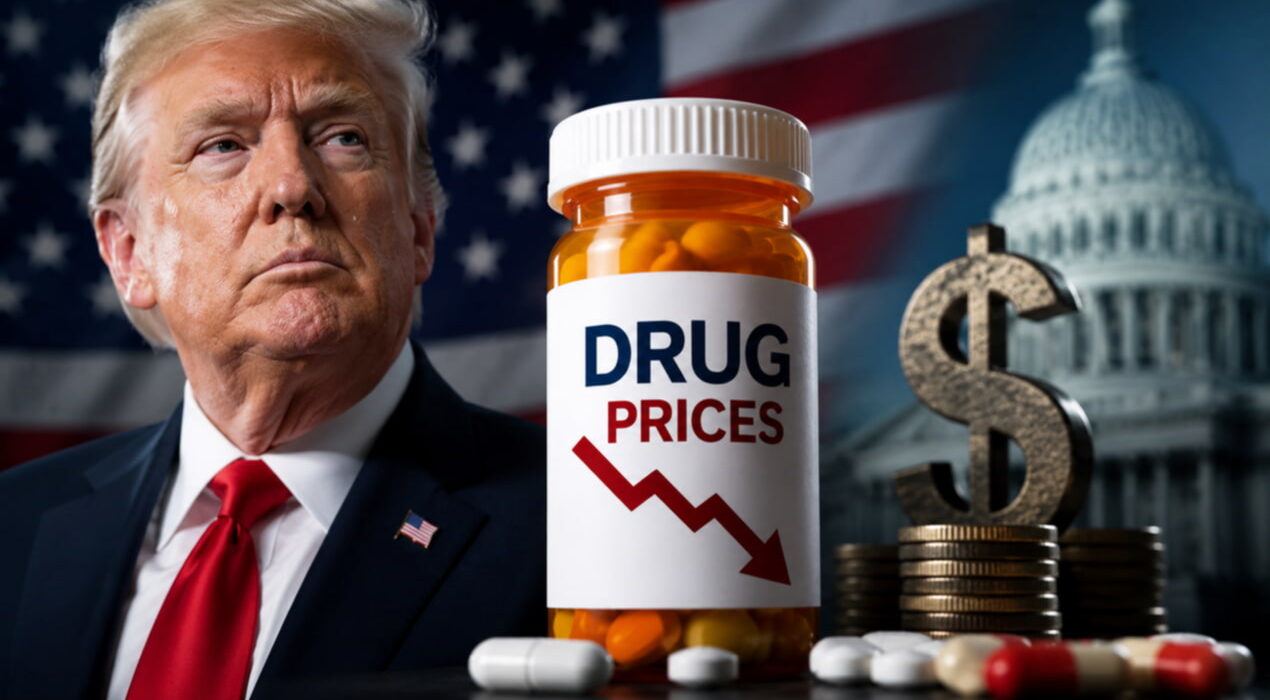
President Donald Trump’s plan to lower U.S. medicine costs is facing fresh challenges. While major drugmakers support the initiative, many smaller pharmaceutical companies remain hesitant. As a result, the Trump drug pricing plan may not deliver the expected savings for patients and government healthcare programmes.
Major Drugmakers Back the Plan
The Trump administration has reached agreements with 17 of the world’s largest pharmaceutical companies under its most-favored-nation pricing initiative. The programme aims to align some U.S. medicine prices with those paid in other developed countries. According to Reuters, the agreements cover about 86% of the branded prescription drug market.
Officials estimate the plan could save federal and state governments $64.3 billion over the next decade. However, experts say those projections depend on broader industry participation. Therefore, the final impact remains uncertain.
Smaller Companies Stay Cautious
The Trump drug pricing plan includes a voluntary Medicaid pilot managed by the U.S. Centers for Medicare & Medicaid Services. Companies that join can offer selected medicines at internationally comparable prices for five years. Even after deadline extensions, few smaller companies agreed to participate.
Reuters reported that only Astellas Pharma confirmed its application among 19 mid-sized companies contacted. Meanwhile, Bayer and Daiichi Sankyo said they were still reviewing their options. Industry leaders argue that smaller firms have fewer products and less room to negotiate pricing deals. Consequently, many see little financial benefit in joining the programme.
Future Success Depends on Participation
CMS says drug manufacturers showed strong interest in the initiative. Even so, healthcare economists note that Medicaid already receives substantial discounts on many medicines. Therefore, the actual savings may be smaller than expected.
In addition, CMS is exploring similar programmes for Medicare. Industry groups have also raised legal concerns about the pricing model. Analysts believe some companies may wait for court rulings before making decisions. As a result, the long-term success of the Trump drug pricing plan will depend on wider participation across the pharmaceutical industry.