Pakistan Tobacco Control Faces Progress but Major Gaps Remain
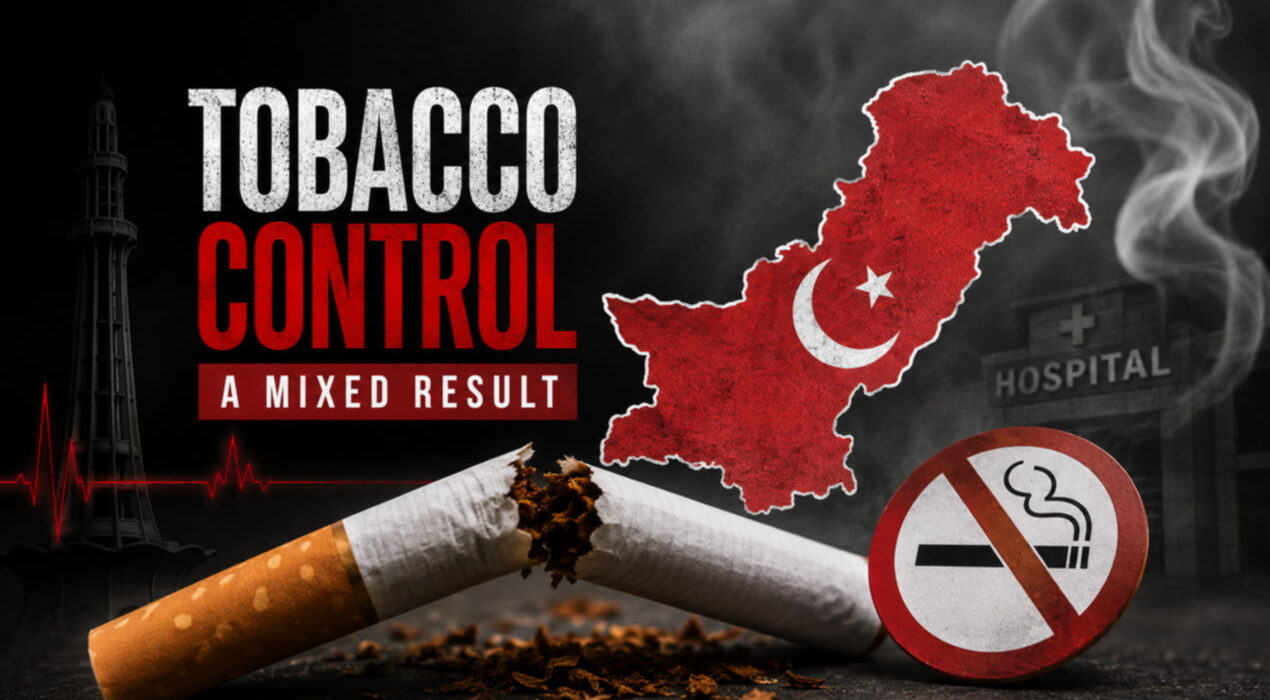
Two decades after adopting global tobacco control commitments, Pakistan tobacco control has delivered mixed results. Millions still use tobacco, and smoking continues to cause preventable disease and death. Although important laws exist, weak enforcement and limited support reduce their impact. Therefore, stronger action is essential to protect public health.
Strong Laws, Weak Enforcement
Pakistan has introduced tobacco control laws and increased cigarette taxes in recent years. However, enforcement remains inconsistent across the country. In addition, provinces have not introduced stronger laws since health became their responsibility. Illegal tobacco products also remain widely available, making cigarettes cheaper and easier to access. As a result, higher taxes alone have not significantly reduced smoking rates.
Reliable national data also remains limited. Different reports estimate between 23 and 31 million tobacco users. Without accurate information, policymakers cannot measure progress or design effective strategies. Furthermore, the national Tobacco Control Cell has faced funding cuts, reducing its ability to lead long-term initiatives.
Better Support for Quitting
Many people who smoke want to quit but struggle without professional help. Unfortunately, Pakistan lacks enough smoking cessation clinics, trained healthcare workers, and affordable treatment options. Consequently, many smokers attempt to quit without guidance and often return to tobacco use. Expanding these services would improve health outcomes and reduce smoking-related diseases.
The Road Ahead
Pakistan can achieve meaningful progress before 2030 with stronger leadership and better coordination. Provinces should introduce modern tobacco control laws and improve enforcement. Moreover, the government should tackle illicit tobacco products, strengthen data collection, and provide sustainable funding for tobacco control programs. Including effective smoking cessation services and evidence-based harm reduction policies can also support adults who want to stop smoking. Finally, listening to the experiences of people trying to quit will help create practical policies that meet real needs. With consistent action and cooperation, Pakistan can reduce tobacco use and move closer to a healthier, smoke-free future.