Salaried Class Tax Pakistan Workers Pay Rs633bn in FY26
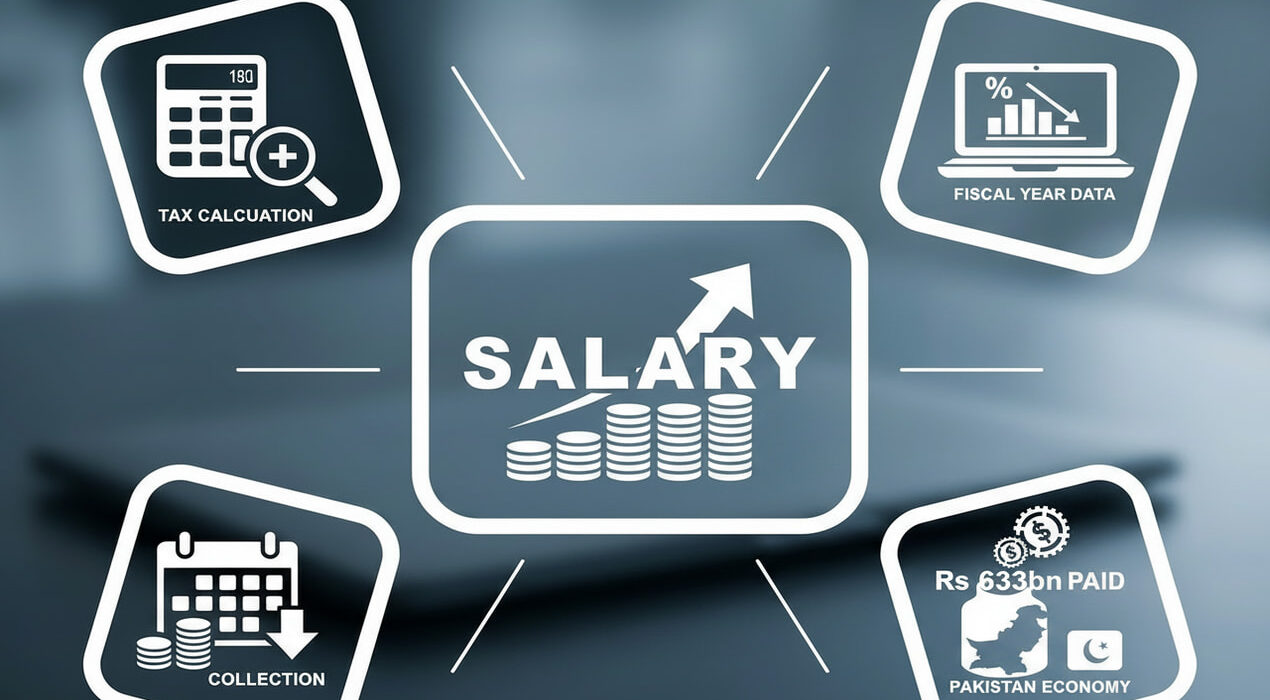
Pakistan’s Salaried Class Tax Pakistan story stands out this year. Workers paid Rs633 billion in income tax during FY26. As a result, they contributed more than exporters, retailers, and real estate combined. The Federal Board of Revenue collected Rs13,010 billion overall. However, this fell short of the Rs15,264 billion target. Still, salaried individuals remained a key pillar of revenue.
The salaried class paid Rs633 billion in FY26. In comparison, they paid Rs585 billion last year. Therefore, their contribution showed steady growth. Employers deduct taxes at source. This system ensures timely and consistent payments. In addition, it reduces chances of tax evasion.
Exporters Show Flat Trend
Exporters paid Rs174 billion in FY26. Previously, they contributed Rs176 billion. Hence, their tax payments remained almost unchanged. This trend highlights limited growth in export related tax revenue. However, the sector still earns valuable foreign exchange for the country.
Real Estate Sees Mixed Results
Real estate taxes showed mixed performance this year. Under Section 236-C, collections reached Rs191 billion. This is a sharp rise from Rs118 billion last year. On the other hand, Section 236-K collections fell to Rs87 billion. Last year, this figure stood at Rs120 billion. As a result, overall performance stayed uneven. Retailers contributed around Rs70 billion in FY26. This is higher than Rs62 billion last year. Therefore, the sector showed gradual improvement. Under Section 236-G, collections reached Rs25 billion. Meanwhile, Section 236-H brought in Rs45 billion. Together, these figures reflect modest growth.
Challenges and Future Plans
The FBR faces a tough road ahead. It must close the gap between targets and actual collection. However, new reforms may help improve results. Authorities plan to use technology and artificial intelligence. In addition, they aim to reduce direct contact between taxpayers and officials. This step could improve transparency and efficiency. Tax relief is also under discussion. Policymakers want to support middle and higher income salaried individuals. At the same time, they plan to simplify taxes for exporters and real estate. As a result, better compliance and economic activity may boost future revenue.