Young People Ageing Faster May Increase Cancer Risk, Study Finds
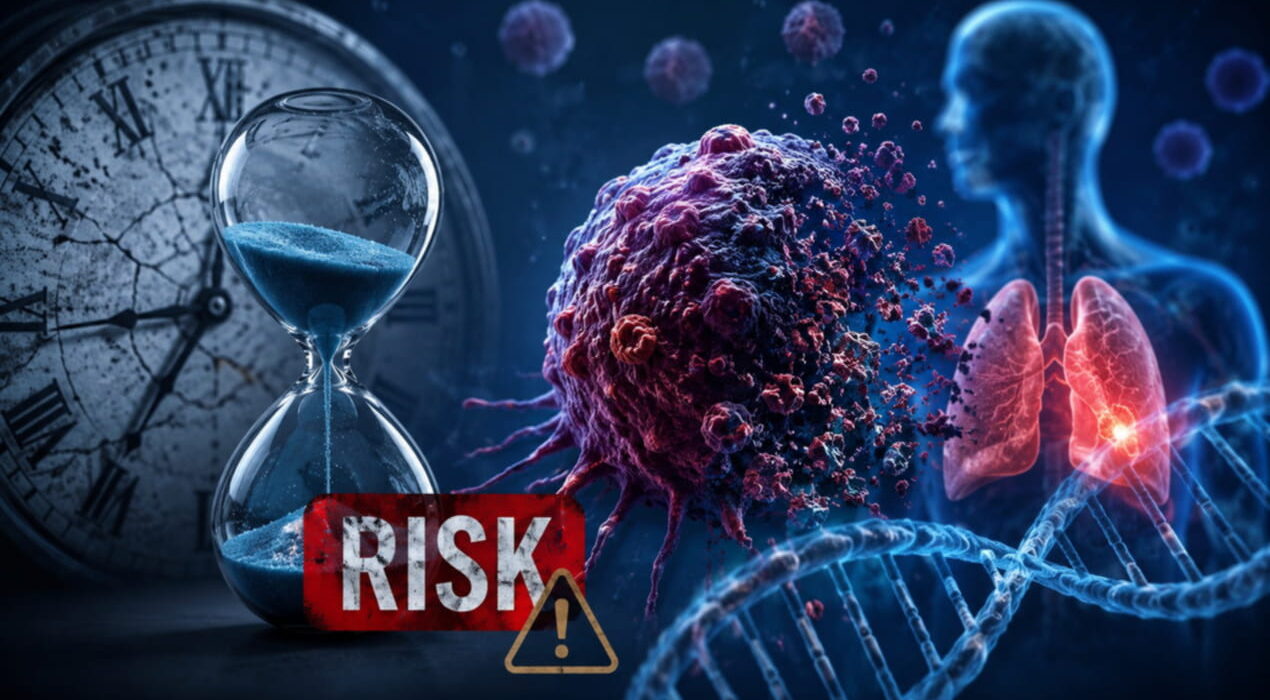
Young adults may be facing a new health challenge. A recent study suggests Young People Ageing faster could increase the risk of developing cancer at an earlier age. The findings appeared in Nature Medicine. Researchers say the trend deserves close attention because early cancer cases continue to rise worldwide.
Scientists compared biological age instead of calendar age. Biological age measures how quickly cells and tissues change over time. As a result, it offers a better picture of overall health. The study found that people born between 1965 and 1974 had a higher biological age than those born between 1950 and 1954. In addition, people born between 1990 and 1999 showed even faster biological ageing than those born between 1965 and 1969.
Biological ageing and cancer
Researchers believe faster biological ageing may help explain the growing number of cancer cases among younger adults. Professor Yin Cao from Washington University School of Medicine said some younger people already show early cellular and molecular signs of ageing. Therefore, scientists think these changes could increase cancer risk.
Cancer has long been linked with older adults. However, doctors now report more diagnoses in people under 50. A report published in the British Medical Journal revealed that early-onset cancer cases have increased by 79% worldwide since 1990. Experts say lifestyle, environmental exposure, and biological changes may all play important roles.
Childhood cases also increasing
The concern extends beyond young adults. Data from the European Cancer Information System showed about 13,800 children and teenagers received a cancer diagnosis across the European Union in 2022. Although researchers continue to study the reasons, the findings raise important public health questions.
Experts recommend further research to understand why biological ageing is speeding up. They also encourage healthy eating, regular exercise, quality sleep, and avoiding tobacco. These habits support overall health, although they cannot guarantee cancer prevention. Continued research may help identify risks earlier and improve prevention strategies for future generations.