Pakistan Monsoon Guide 2026: Peak Rains, Safety, and Trip Planning
Pakistan’s 2026 monsoon officially arrived on 1 July. The season runs through September, with July and August as the clear peak. The Pakistan Meteorological Department forecasts below-normal rainfall nationally. However, short and intense spells still bring flood risks. Travelers must plan carefully during these wet months.
Rainfall Patterns and Regional Differences
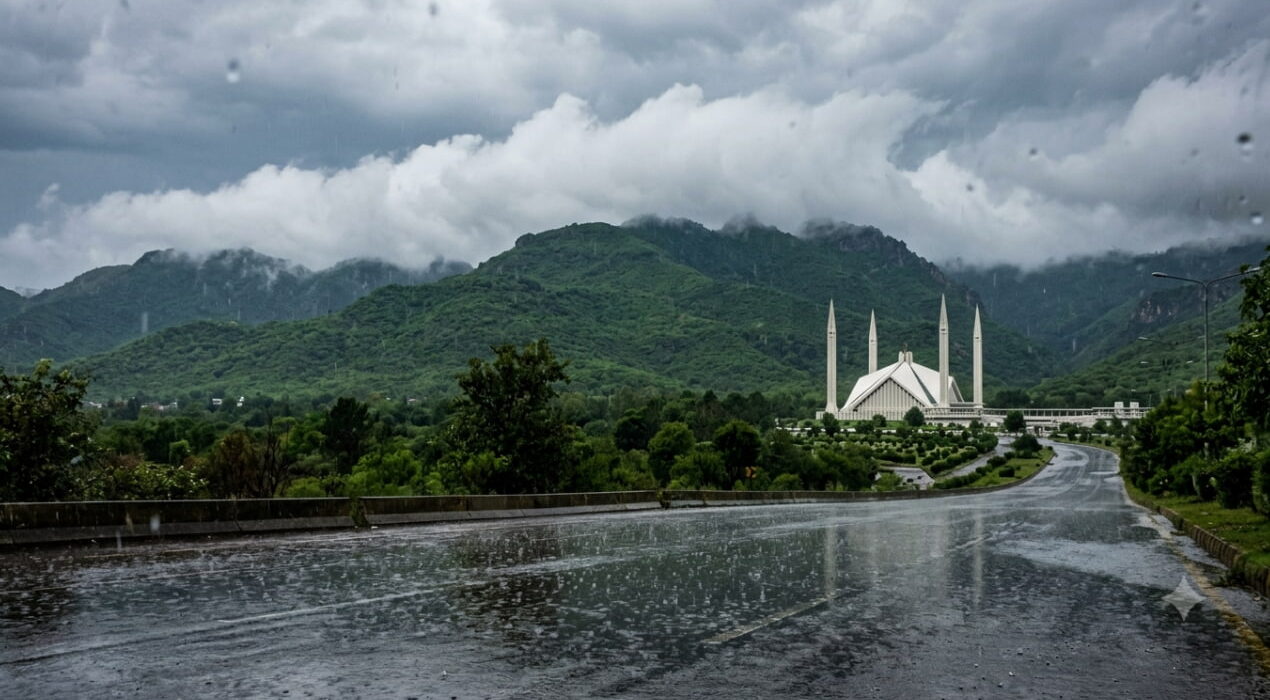
Islamabad averages more than 300 mm in July and August. This represents roughly half of its entire annual rainfall. Lahore collects about 425 mm across the monsoon quarter. Karachi receives approximately 202 mm during the same period . The closer a city sits to the Himalayan foothills, the heavier its monsoon.
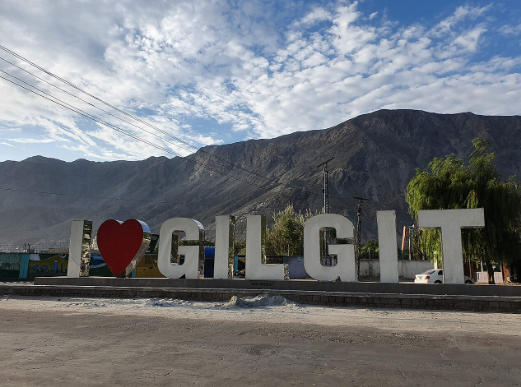
Gilgit-Baltistan and upper Khyber Pakhtunkhwa expect normal to above-normal rain . Punjab and Islamabad face the wettest conditions with frequent thunderstorms. Sindh, including Karachi, experiences light to moderate rainfall. Balochistan remains mostly dry throughout the season.
Travel Tips and Safety Precautions
Travelers should aim for June or late September when visiting northern valleys. Roads are clearer and rivers lower during these shoulder months . Choose refundable or changeable bookings through the peak weeks. A washed-out day or delayed flight should not cost you.
Flash floods and landslides can close mountain highways suddenly. The Karakoram Highway and Naran-Kaghan route face particular risks. Check local advisories before heading north. Cities remain travel-friendly with normal caution for heavy rain. Urban flooding can occur in Karachi, Lahore, and Rawalpindi.