Pakistan Population Growth Raises Health and Economic Risks
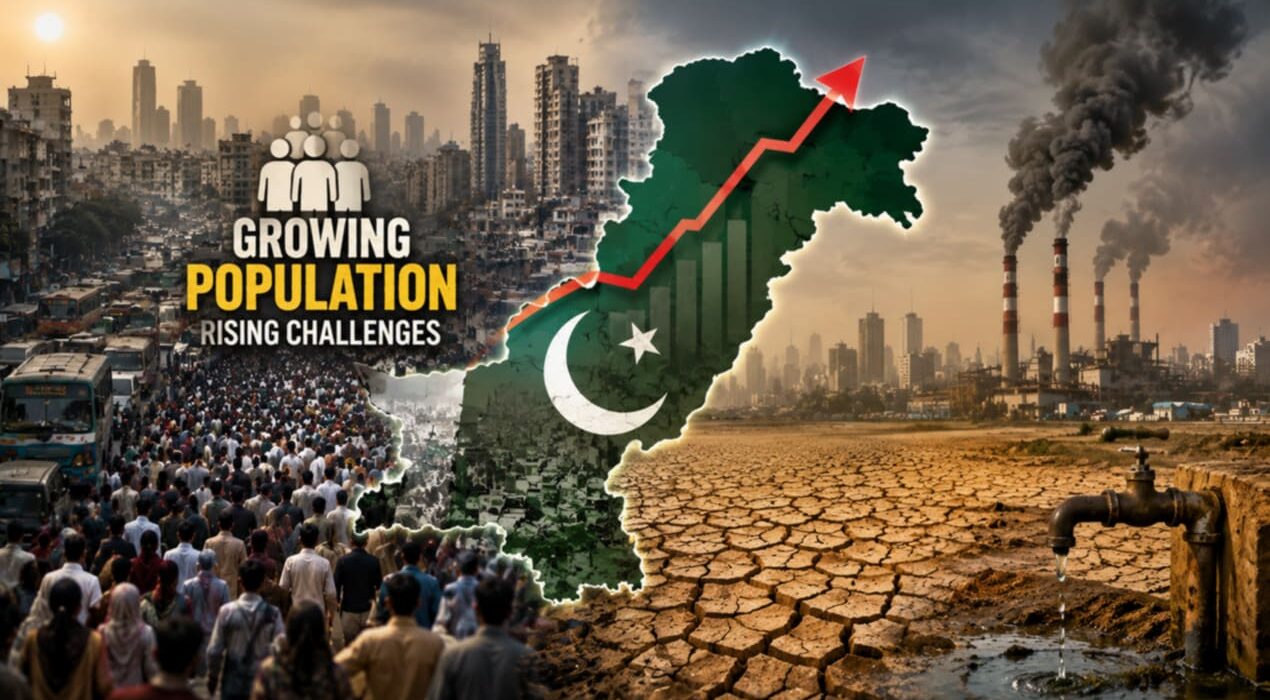
Pakistan population growth has become a major national concern, with experts warning that rising numbers are putting increasing pressure on health services, the economy and the environment. They say immediate action is necessary to protect natural resources and improve living standards. Moreover, better planning can help ensure future generations enjoy clean air, safe water and quality healthcare. Without practical reforms, growing demand for food, housing, education and jobs could become even harder to meet across the country.
Growing Pressure on Cities and Resources
Rapid urban expansion continues to reshape many Pakistani cities. However, poor planning has increased traffic congestion, air pollution and pressure on public transport. In addition, many communities face water shortages, weak drainage systems and limited affordable housing. As cities expand faster than infrastructure, public services struggle to meet rising demand. Experts believe sustainable urban planning, improved public transport and green energy can reduce these growing challenges. They also stress that protecting water resources and improving waste management should remain national priorities.
Health and Development Need Urgent Focus
Population growth also creates serious health and environmental concerns. For example, higher energy use, more vehicles and increased waste contribute to pollution and poor air quality. Therefore, stronger sanitation systems and better healthcare services are essential, especially in densely populated areas. Experts warn that balanced population policies can support healthier communities and stronger economic growth. They add that investing in education and preventive healthcare will improve long-term national development.
President Urges Collective National Action
On World Population Day, President Asif Ali Zardari described young people as Pakistan’s greatest strength. He encouraged greater investment in education, professional skills and employment opportunities. Furthermore, he highlighted the importance of maternal and child health, proper nutrition and women’s empowerment. The president said equal opportunities for women support both economic progress and responsible population management. Finally, he urged the government, parliament, civil society, religious scholars and the media to work together. He said coordinated efforts can transform Pakistan’s population into a powerful driver of sustainable development.