Australia Confirms H5N1 Bird Flu Case in Native Seabird
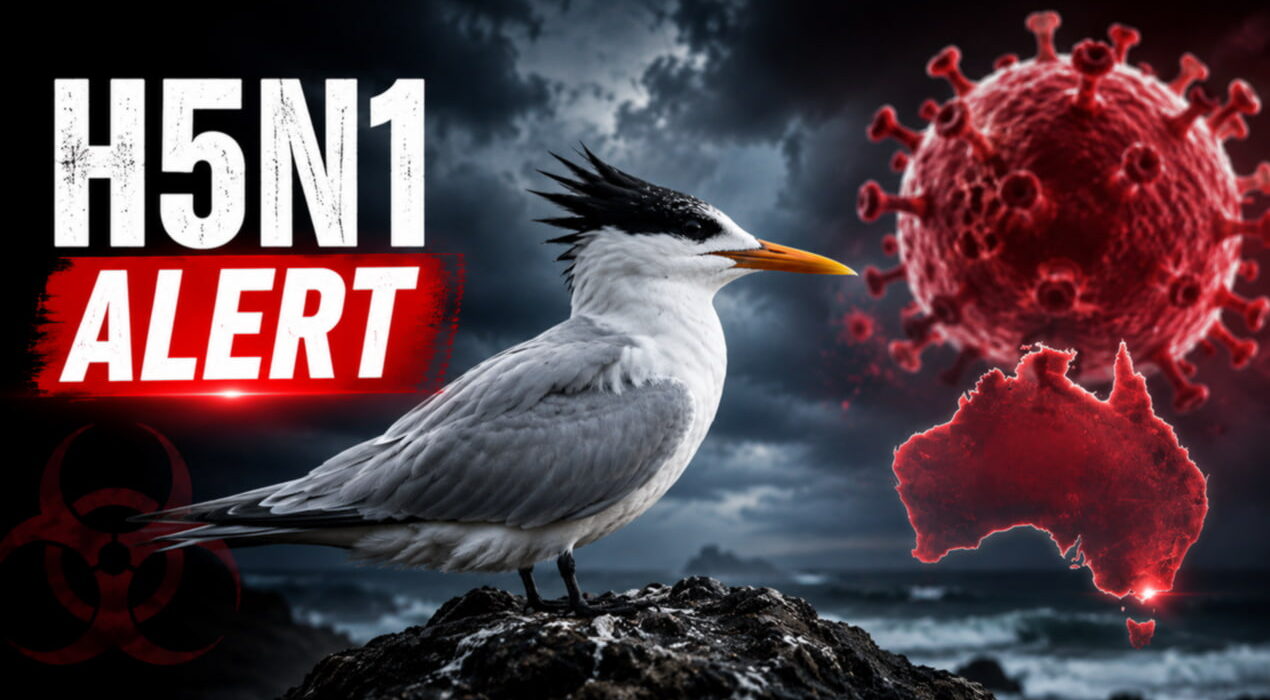
Australia H5N1 Bird Flu has reached a new stage after officials confirmed the first case in a native seabird. Laboratory tests identified the virus in a greater crested tern found in Robe, a coastal town in South Australia. Health and agriculture authorities have started a detailed investigation. They aim to understand how the bird became infected. Meanwhile, officials continue to monitor nearby wildlife. The discovery follows earlier detections in migratory seabirds. Therefore, experts expected the virus could eventually appear in native species. However, authorities stressed there is no sign of widespread transmission. They also confirmed that poultry farms remain unaffected. The finding has increased attention, but officials continue to encourage calm while surveillance efforts expand across affected regions.
Officials Continue Monitoring Wildlife
Australian Agriculture Minister Julie Collins described the latest detection as concerning but not surprising. She explained that there is no evidence of mass bird deaths across the country. In addition, there are no reports of the virus spreading into commercial poultry or the broader agriculture sector. Officials believe the infected tern may have come into contact with migratory seabirds carrying the H5 virus. As a result, wildlife experts are closely tracking bird movements. They are also collecting additional samples to detect any further infections quickly. Strong surveillance remains the country’s main defense against wider spread. Authorities continue working with scientists and local communities to strengthen monitoring efforts nationwide.
What the Latest Detection Means
The newest case brings Australia’s confirmed detections to 12. Authorities recently reported two additional infections in South Australia and another in Western Australia. Australia recorded its first mainland H5N1 case in June. Before that, the virus appeared on remote Heard Island during late 2025. Officials say the overall risk remains under careful assessment. However, they will continue testing birds and sharing updates. Ongoing monitoring will help protect wildlife, agriculture, and public confidence across Australia.