Diabetes-Linked Kidney Disease Cases Rise as New Study Highlights Growing Health Risk
Millions of people live with diabetes kidney disease without knowing their kidneys are slowly losing function. A new study shows diabetes is becoming a bigger cause of chronic kidney disease, making early prevention and regular screening more important than ever. Experts say timely treatment can reduce serious health complications.
Diabetes becomes a bigger cause
The kidneys filter waste, balance minerals, and help control blood pressure every day. However, kidney damage often develops quietly. As a result, many people notice symptoms only after significant function has been lost.
Researchers from Boston University reviewed national health data collected between 2013 and 2023. Their findings, published in the New England Journal of Medicine, showed that about one in seven American adults lived with chronic kidney disease throughout the study period.
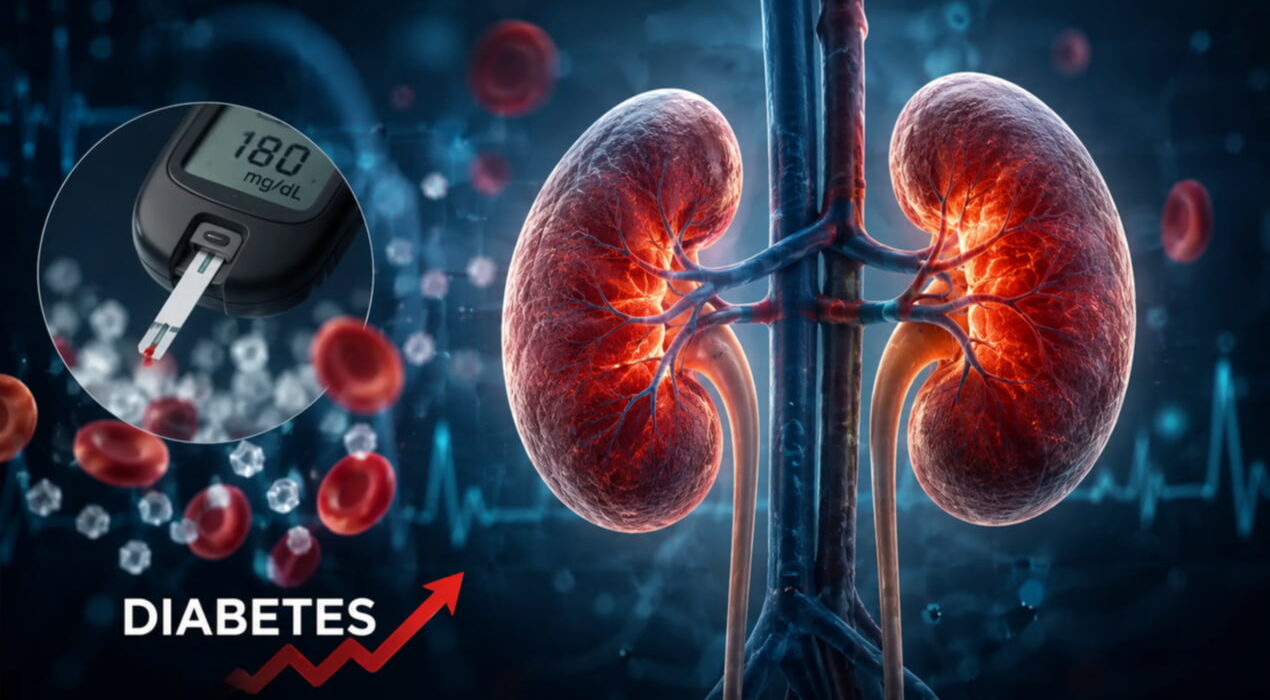
The team analyzed health information from more than 25,000 adults. They measured kidney function and checked urine samples for excess protein. The results revealed that kidney disease caused by diabetes increased from 4.7 percent to 5.7 percent. In contrast, non-diabetes-related cases remained largely unchanged.
Health inequalities remain
The study also highlighted important health disparities. Black Americans and people with lower education levels continued to experience higher rates of chronic kidney disease. Therefore, researchers stressed that social and economic factors still influence health outcomes.
In addition, the study found a strong connection between kidney and heart disease. Around one in four people with heart disease also had chronic kidney disease. Doctors recommend managing both conditions together to improve long-term health.
Prevention remains essential
Although newer medicines, including SGLT2 inhibitors and finerenone, help many people with diabetes, they have not reduced overall chronic kidney disease cases. Experts encourage healthy lifestyles, better blood sugar control, blood pressure management, and regular kidney screening. These simple steps can support early diagnosis, protect kidney function, and improve survival.