HIV-Positive Children in Pakistan Rise to 7,500 as Pediatric Cases Increase
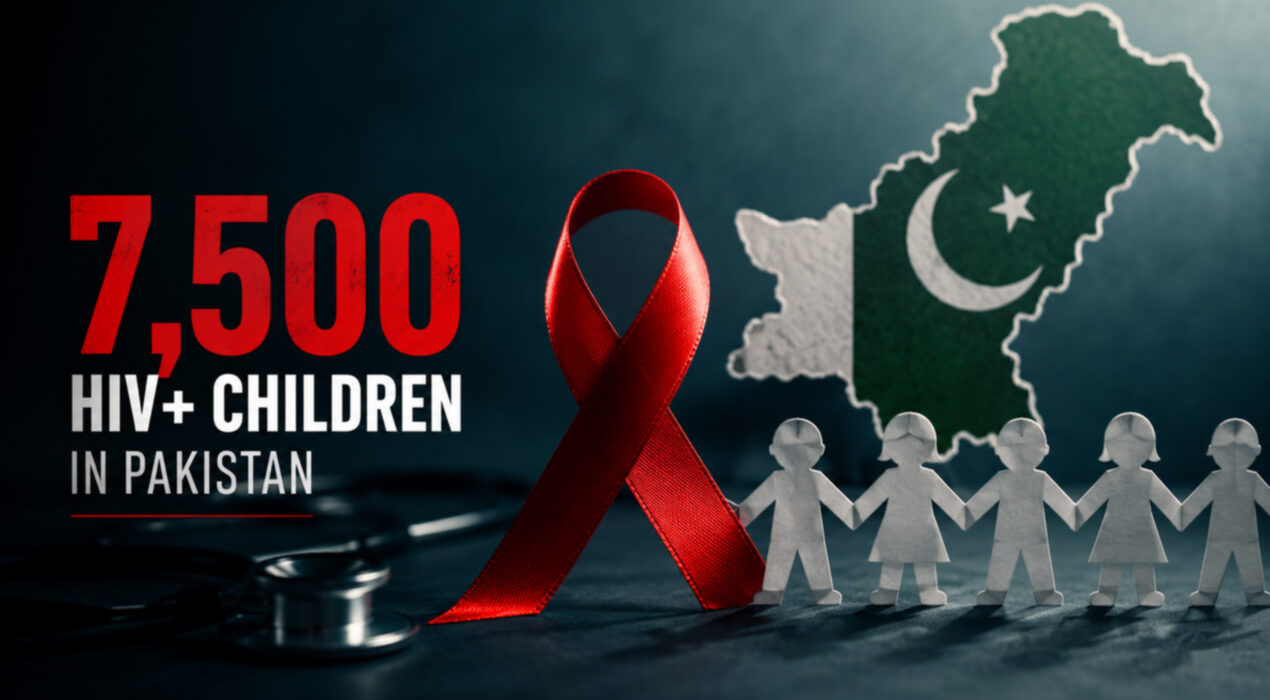
Pakistan is witnessing a steady rise in HIV-positive children Pakistan, with nearly 7,500 children now living with the virus. Health data shows children make up about 12.1% of the 62,000 people currently receiving HIV treatment across the country. Experts say these figures highlight the growing need for stronger prevention, early diagnosis, and better access to treatment. In addition, healthcare authorities continue to monitor the situation as new pediatric cases emerge across several regions.
Sindh Remains the Most Affected
Sindh continues to report the highest number of pediatric HIV cases. Around 4,200 children have registered for HIV treatment services in recent years. Furthermore, the province records the highest number of new infections among children. Health officials estimate that nearly 120 children receive an HIV diagnosis every month in Sindh during 2026. Therefore, experts stress the importance of expanding awareness, improving screening, and ensuring timely medical care.
Other Provinces Also Report Cases
Punjab has the second-highest number of HIV-positive children. Meanwhile, Khyber Pakhtunkhwa and Balochistan continue to report pediatric infections. In addition, cases have been confirmed in Islamabad Capital Territory, Azad Jammu and Kashmir, and Gilgit-Baltistan. These reports show that the challenge now affects multiple parts of Pakistan rather than one province alone.
Experts Call for Coordinated Action
Health experts believe stronger public health measures can help reduce new infections. They recommend wider testing, better awareness campaigns, and improved access to treatment. Moreover, families and healthcare workers should work together to encourage early diagnosis. As a result, children can receive timely care and enjoy better health outcomes. Continued investment in prevention, education, and healthcare services will play an important role in protecting vulnerable children and slowing the spread of HIV across Pakistan. A united national response remains essential for long-term progress.