Child Stunting Prevention: Sindh’s New Plan Targets Health and Nutrition
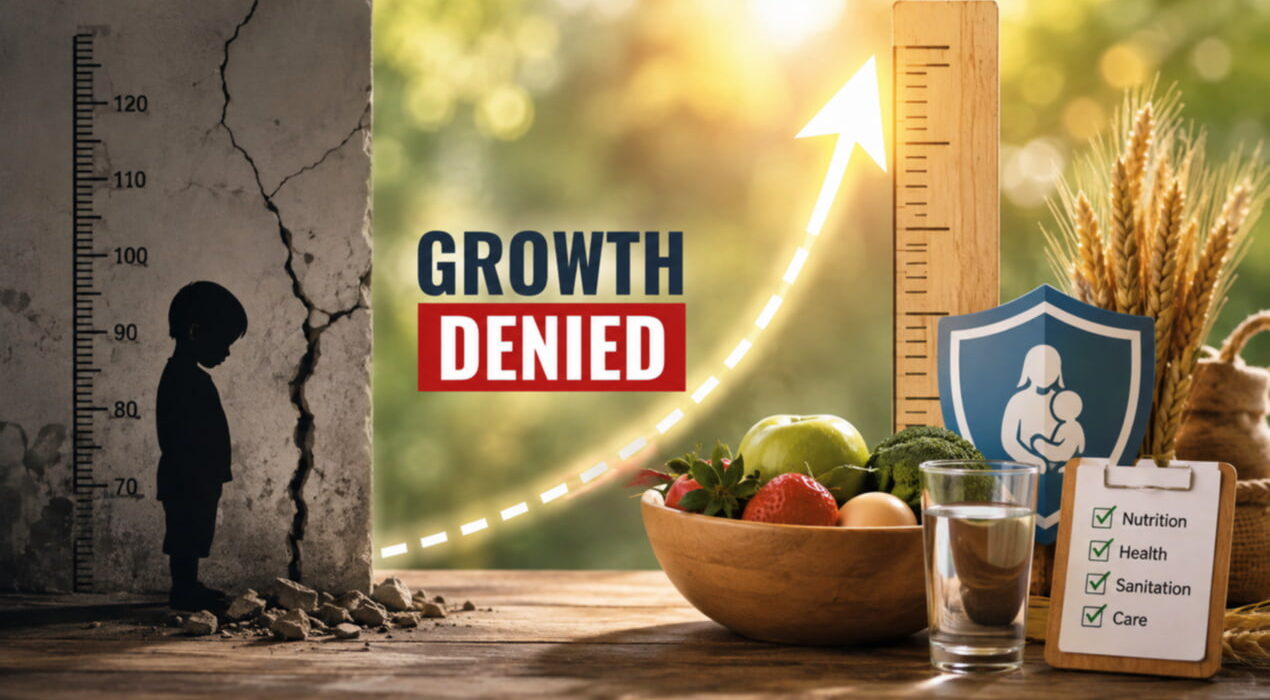
Child stunting prevention has received fresh attention after Sindh introduced a coordinated plan with the World Bank. The initiative connects health, nutrition, sanitation, agriculture and social protection. Together, these sectors can improve child growth through better services and stronger accountability. Officials also plan district committees, a central secretariat and a digital dashboard to monitor progress.
Why child stunting needs a wider response
More than 40 percent of Pakistani children under five experience stunted growth. In addition, UNICEF estimates that almost 10 million children are affected. However, poor growth is not caused by food shortages alone. Unsafe water, repeated infections and poor sanitation also play major roles. Maternal malnutrition, weak breastfeeding practices and limited healthcare further increase the risk. As a result, children may struggle with learning, health and future earnings. Therefore, experts stress that different sectors must work together instead of acting separately. Consistent support for mothers and young children remains the key to lasting improvement.
Focusing on the first 1,000 days
Experts recommend prioritising the first 1,000 days, from pregnancy until a child turns two. Every pregnant woman should receive antenatal care, nutrition advice and essential supplements. Likewise, every child should receive growth monitoring, vaccinations and timely treatment through basic health units and Lady Health Workers. In addition, governments should promote exclusive breastfeeding and better complementary feeding after six months. Food fortification can also improve nutrition. Meanwhile, financial support should encourage health visits without creating barriers for vulnerable families.
Turning plans into real results
Safe drinking water, sanitation and drainage should become core nutrition investments. District authorities should identify high-risk areas, publish budgets and review progress every quarter. Independent surveys can confirm official data and improve transparency. Furthermore, better education for girls, family planning and affordable healthy foods will support long-term success. Pakistan has launched nutrition projects before. However, lasting progress depends on political commitment, reliable local services and regular accountability. Ultimately, Sindh’s success will be measured by healthier children who grow, learn and thrive.