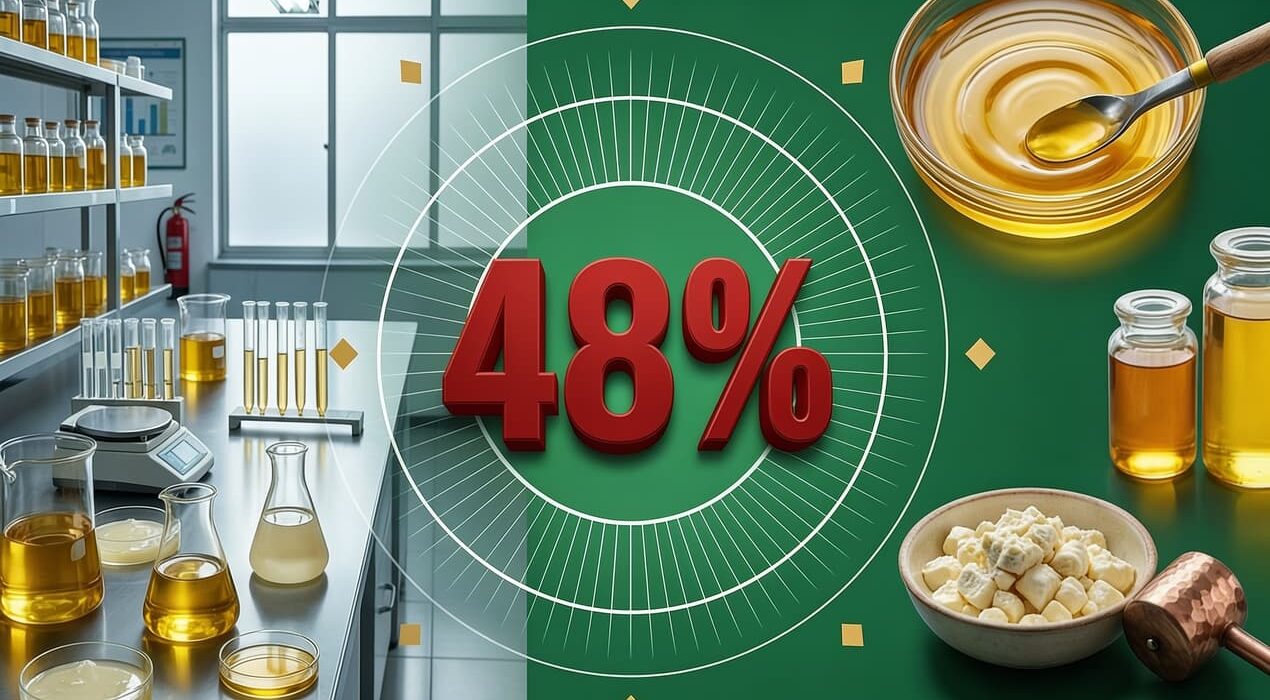
Pakistan Food Quality Test 48% Ghee Samples Fail Standards
A recent food quality test in Pakistan has revealed alarming results. Nearly 48% of ghee samples failed quality checks. In addition, 75% of refined palm oil and 44% of packaged milk samples did not meet standards. These findings raise serious health concerns. Experts warn that such products may increase heart disease risks. Therefore, authorities are under pressure to improve food safety.
Nationwide Testing Details
The government collected 491 samples from across the country. These included ghee, cooking oil, and packaged milk products. The Pakistan Council of Scientific and Industrial Research conducted laboratory testing. Out of all samples, 176 failed to meet required standards. This shows a non compliance rate of about 36%. However, 315 samples passed and met national guidelines. The report highlighted several concerning figures. For example, 98 out of 204 ghee samples failed the test. Similarly, 40 out of 146 blended cooking oil samples did not meet standards. Packaged liquid milk also showed issues. Around 26 out of 104 samples failed quality checks. In addition, 8 out of 18 powdered milk samples were below standard. Refined palm oil performed the worst. Three out of four samples failed testing. Meanwhile, only one refined canola oil sample did not meet requirements.
Government Review and Action
Officials presented these findings at a meeting of the National Price Monitoring Committee. Ahsan Iqbal chaired the session. The meeting reviewed both food quality and essential item prices. The Pakistan Standards and Quality Control Authority prepared the final report. Meanwhile, the Ministry of Science and Technology shared it through PCSIR. As a result, the government acknowledged serious concerns about packaged food quality. Authorities may now take stricter action to protect consumers.
Why This Matters
Food safety directly impacts public health. Poor quality products can harm families across the country. Therefore, stronger monitoring systems are essential. Consumers should stay informed and choose trusted brands. At the same time, regulators must ensure strict compliance. This will help improve food quality standards nationwide.