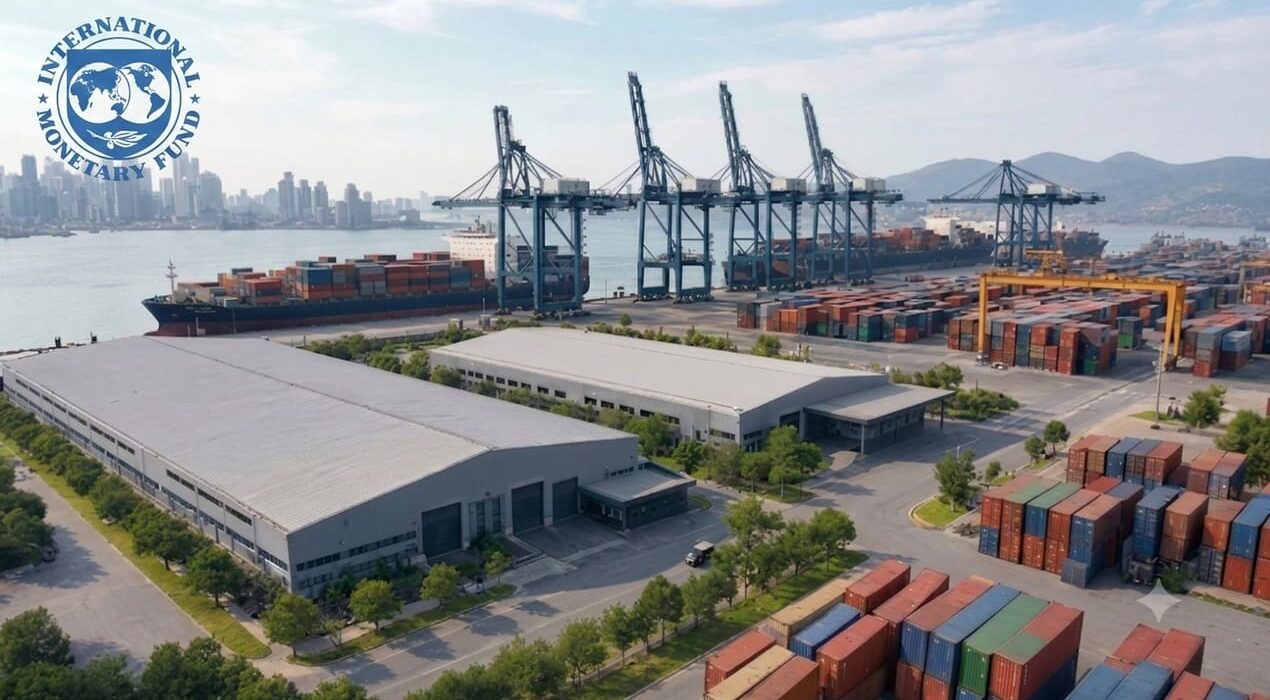
US Firms Back EPZ Rule, Warn Over IMF Limits
US companies strongly support the EPZ 80/20 rule. They say it keeps operations stable and efficient. In addition, they warn that IMF limits could disrupt business flow. The EPZ 80/20 rule allows firms to sell 20% locally. At the same time, they export the remaining 80%. Therefore, this balance helps companies manage inventory and reduce waste.
Impact on Circular Economy
Experts believe the new IMF restrictions could harm the circular economy. For example, many goods have limited global demand. As a result, companies often sell them locally at lower prices. However, if firms cannot sell 20% locally, problems may grow. These goods may not find buyers abroad. Consequently, businesses may face losses and rising costs. Moreover, local buyers already understand these limitations. They accept goods at competitive rates. This system, therefore, supports both buyers and sellers.
Rising Costs Without Flexibility
Without the EPZ 80/20 rule, companies may face higher expenses. They would need to ship goods abroad. This step would increase transport and handling costs..For instance, firms may spend thousands more per shipment. In addition, this cost applies to every few containers processed. As a result, overall business efficiency may drop. Furthermore, these added costs could reduce competitiveness. Companies may struggle to maintain profit margins. Therefore, the rule plays a key role in cost control.
Unique EPZ Business Model
EPZ companies operate differently from many exporters. They do not rely on local foreign exchange reserves. Instead, they use their own foreign currency funds. This approach reduces pressure on the State Bank. In addition, it supports financial independence. As a result, EPZ businesses remain more flexible and stable. However, strict IMF conditions may still affect them. Therefore, firms urge policymakers to maintain the current system. They believe the EPZ 80/20 rule is vital for growth.