MQM-P Pushes Administrative Units Debate in Pakistan
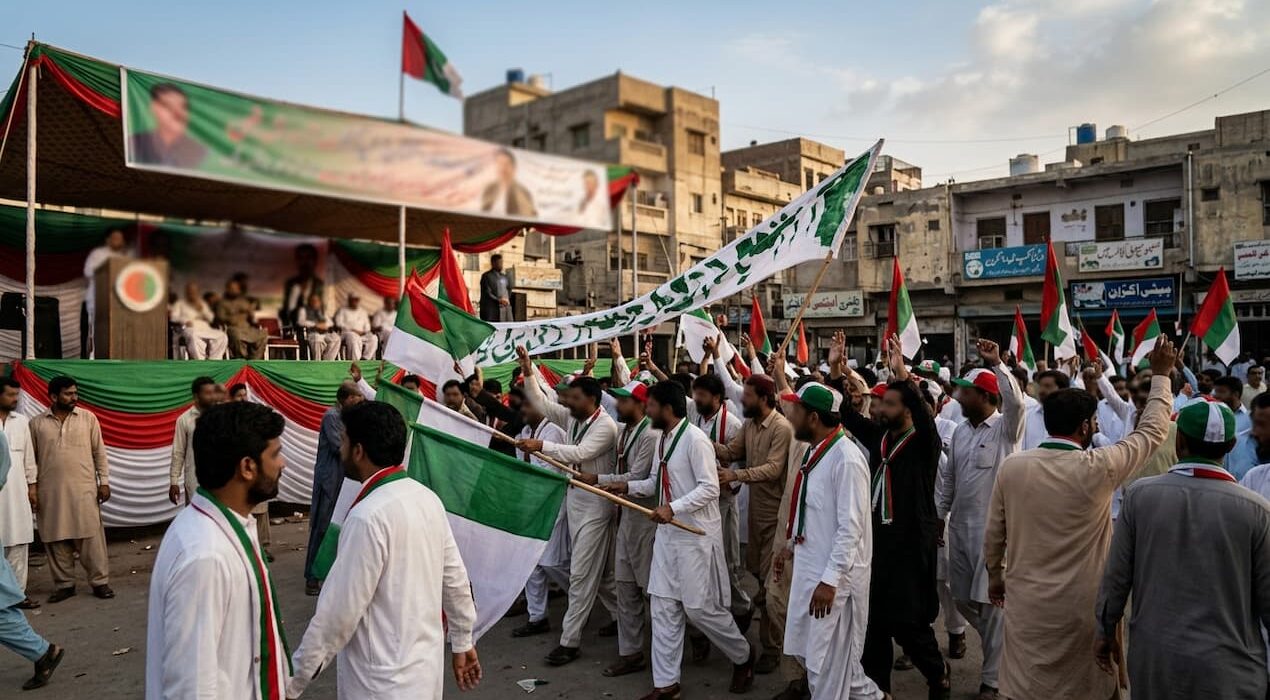
The Muttahida Qaumi Movement-Pakistan (MQM-P) has renewed its call for new administrative units. Party chairman Khalid Maqbool Siddiqui says Pakistan needs reforms as its population continues to grow.Speaking at a press conference, Siddiqui appeared with Farooq Sattar and Mustafa Kamal. He said the country’s provinces have not expanded despite a major rise in population.
As a result, existing administrative systems face growing pressure. Siddiqui believes new administrative units could improve public services and strengthen governance.He also rejected the idea that the demand serves only a political agenda. Instead, he described it as an issue linked to citizens’ rights and better service delivery.Siddiqui urged political parties to discuss the proposal through dialogue. He also noted that the Constitution provides a legal framework for creating new provinces.
MQM-P Calls for Decentralisation
Mustafa Kamal said new provinces would not divide Pakistan. He also said the proposal would not change Sindh’s territorial boundaries.Instead, Kamal called it an administrative measure. He argued that smaller units could bring government institutions closer to citizens.
Kamal also criticised the Sindh government over public services. He claimed the province receives billions of rupees but still struggles to provide basic facilities.Therefore, he called for stronger local governments and greater decentralisation. He said local bodies could respond faster to public needs and improve service delivery.
Karachi Remains Key to Debate
Farooq Sattar highlighted Karachi’s economic importance. He described the city as Pakistan’s economic capital and called for greater administrative powers.Sattar said Karachi contributes significantly to the country’s taxes and exports. However, he claimed the city continues to face governance and corruption challenges.The MQM-P leaders want broader reforms to Pakistan’s administrative structure. They believe stronger local governments and additional units could reduce deprivation.
Moreover, they argue that decentralisation could support faster development. The proposal now puts pressure on political parties to debate Pakistan’s future administrative structure.