Bile Acid Linked to Colorectal Cancer Risk
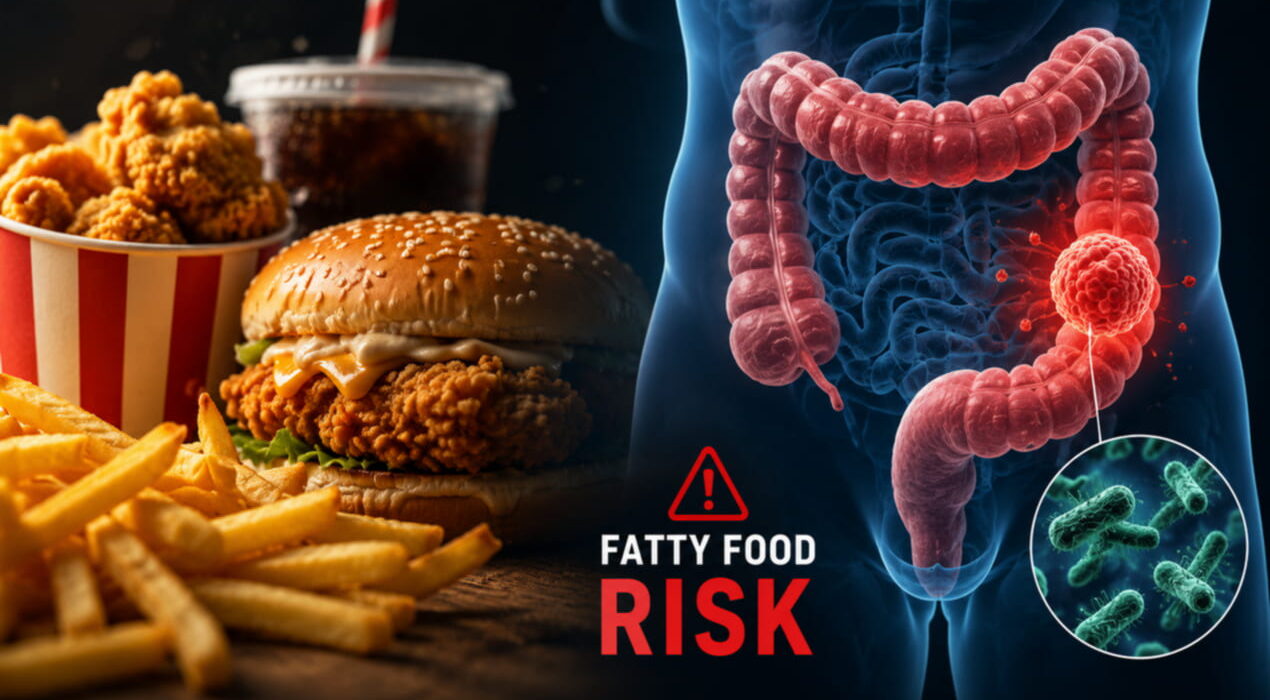
High-fat foods may raise colorectal cancer risk through changes in the gut, according to new German research. Scientists found that certain gut bacteria can produce a bile acid linked to tumor growth in a recent German study.
Researchers from three German institutions published the findings in Gut in August 2026.
How the Gut May Drive Tumor Growth
When people eat fat, the liver produces primary bile acids. These substances help digest fats. Most return to the liver, but some reach the colon.
There, certain bacteria can turn them into secondary bile acids. One is deoxycholic acid, or DCA. Higher DCA levels may encourage faster cell division.
The team tested this process in mice. Animals carrying DCA-producing bacteria developed more tumor growth than mice without them. This may increase opportunities for DNA errors.
Researchers then examined stool samples from more than 1,000 people. Genes linked to DCA-producing bacteria appeared more often among people with colorectal cancer.
Why Colorectal Cancer Matters
Colorectal cancer can affect the colon or rectum. Early detection can improve treatment. However, symptoms may not appear early.
Warning signs include blood in stool, ongoing bowel changes, abdominal pain, cramps, and bloating. Therefore, discuss persistent symptoms with a healthcare professional.
The researchers say their findings need further study. Still, the results may help scientists develop treatments targeting gut bacteria.
Healthier Choices May Help
A balanced eating pattern can support overall gut health. For example, choose more vegetables, fruits, whole grains, beans, nuts, and other fiber-rich foods.
Reducing heavily processed meals and limiting excessive fat intake may also support healthier habits. Regular physical activity and avoiding tobacco can provide additional benefits.
Most importantly, people should not blame one food for cancer. Genetics, age, lifestyle, and other factors also influence risk. Healthy habits and appropriate screening can help protect long-term health.