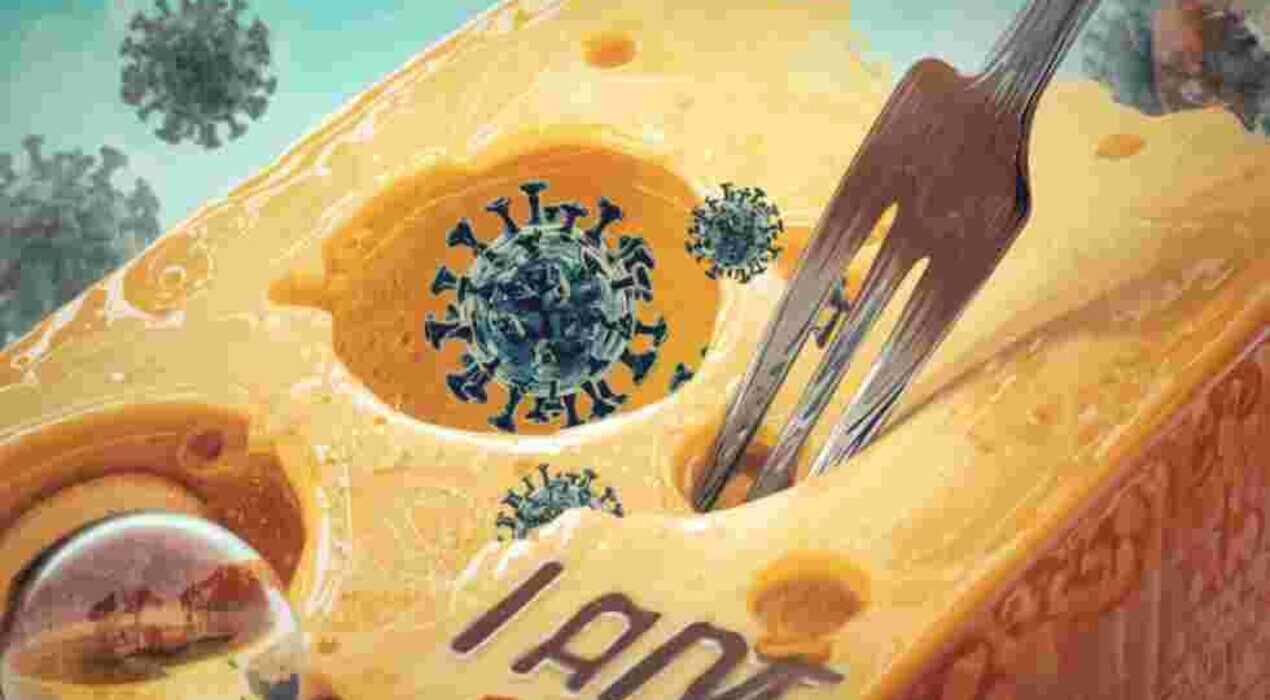
Bird Flu Hiding in Cheese? The Surprising New Discovery of Food Safety Risk
What the Study Found
The new research on bird flu cheese shows surprising risks. Scientists found that the virus can survive in raw-milk cheese made from contaminated milk. For example, they found infectious viruses after standard aging periods.
How It Works and What Helps
The study revealed that acidity makes a big difference. Cheese with lower pH (around 5.0 or below) did not harbour the virus. However, cheeses at pH 5.8–6.6 showed virus survival. The virus remained infectious after up to 120 days of ageing in some raw-milk cheeses.
What That Means for Us
Please note: the study involved raw-milk cheeses. That means artisanal or unpasteurised types may carry more risk. In addition, animal tests showed that drinking raw milk with the virus led to infection in ferrets, but eating the cheese did not in those tests. Still, food safety specialists say caution is wise. For example, choosing cheese made from pasteurised milk adds a layer of safety.
Smart Steps You Can Take
If you enjoy cheese, try these ideas:
Check if the cheese is made from pasteurised milk.
Ask the producer about their milk source and ageing process.
Choose cheeses with higher acidity or proven safety standards.
Store and consume dairy products correctly — keep them chilled and consumed by the “use by” date.
As a result of this research, food-safety guidelines may evolve. Producers might test milk more, adjust aging or acidify milk more strongly. The good news: by staying informed, you empower yourself and your community when it comes to food choices. Therefore, making safer choices around dairy becomes an inclusive practice that benefits everyone.