Harvard Psychiatrist: Mental Illness Begins at the Cellular Level
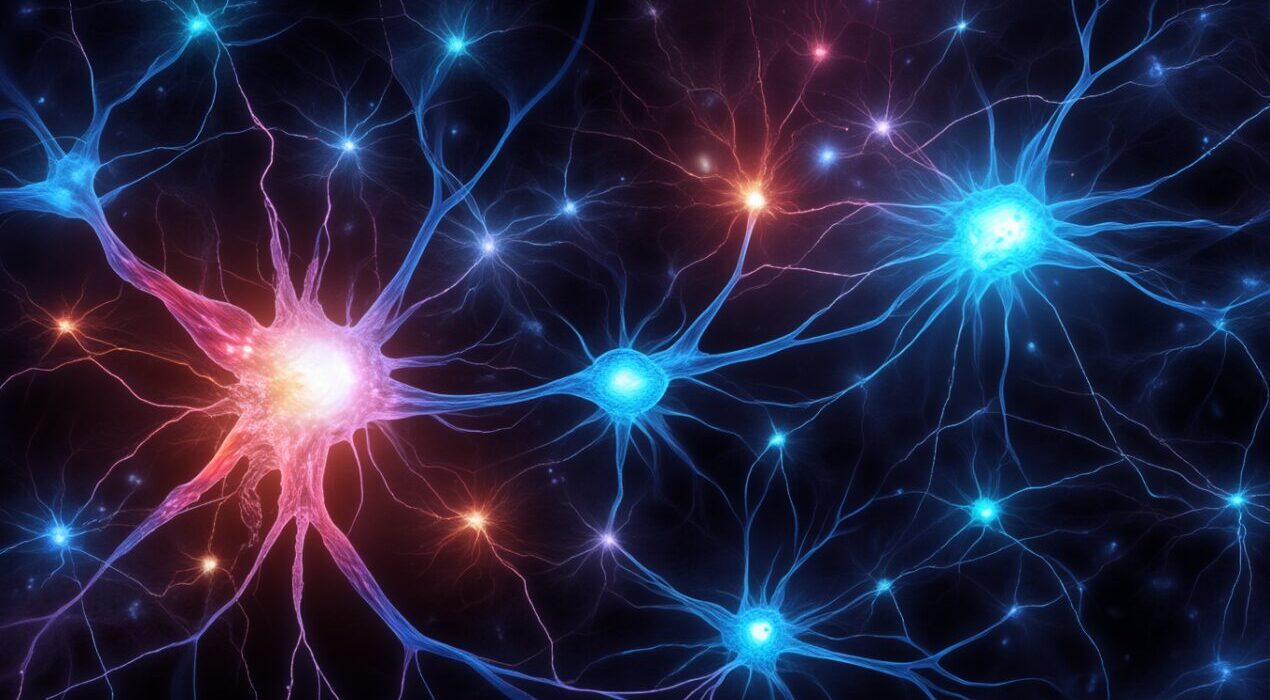
Mental illness might not start in the mind—it may begin in your cells. A Harvard psychiatrist now believes that the roots of mental disorders lie deep within our biology. Instead of focusing only on brain chemicals, he points to how brain cells produce and use energy.
When brain cells lose their ability to make enough energy, they struggle to communicate properly. As a result, this imbalance can lead to conditions like depression, anxiety, bipolar disorder, or schizophrenia. This theory shifts the focus from chemical imbalance to cellular malfunction, offering a completely new way to look at mental health.
How Cellular Energy Shapes the Mind
Our brain cells rely on tiny powerhouses called mitochondria. These structures supply the energy needed for thinking, emotions, and focus. When they fail, neurons can’t perform their jobs correctly. Therefore, small cellular issues may grow into large emotional or cognitive problems over time.
This discovery could change how doctors approach treatment. Instead of only targeting neurotransmitters, new therapies could aim to restore cell energy. For example, improving diet, sleep, and metabolism may strengthen brain cell function and mental resilience.
A New Way to Treat and Understand Mental Illness
Seeing mental illness as a cellular condition helps reduce stigma. It reminds us that these disorders are not signs of weakness—they are signs of biology in distress. In addition, it encourages a more compassionate, science-based approach to care.
Future treatments may become more personalized, focusing on how each person’s brain cells work. This breakthrough opens a hopeful path toward better understanding, prevention, and recovery for millions around the world.