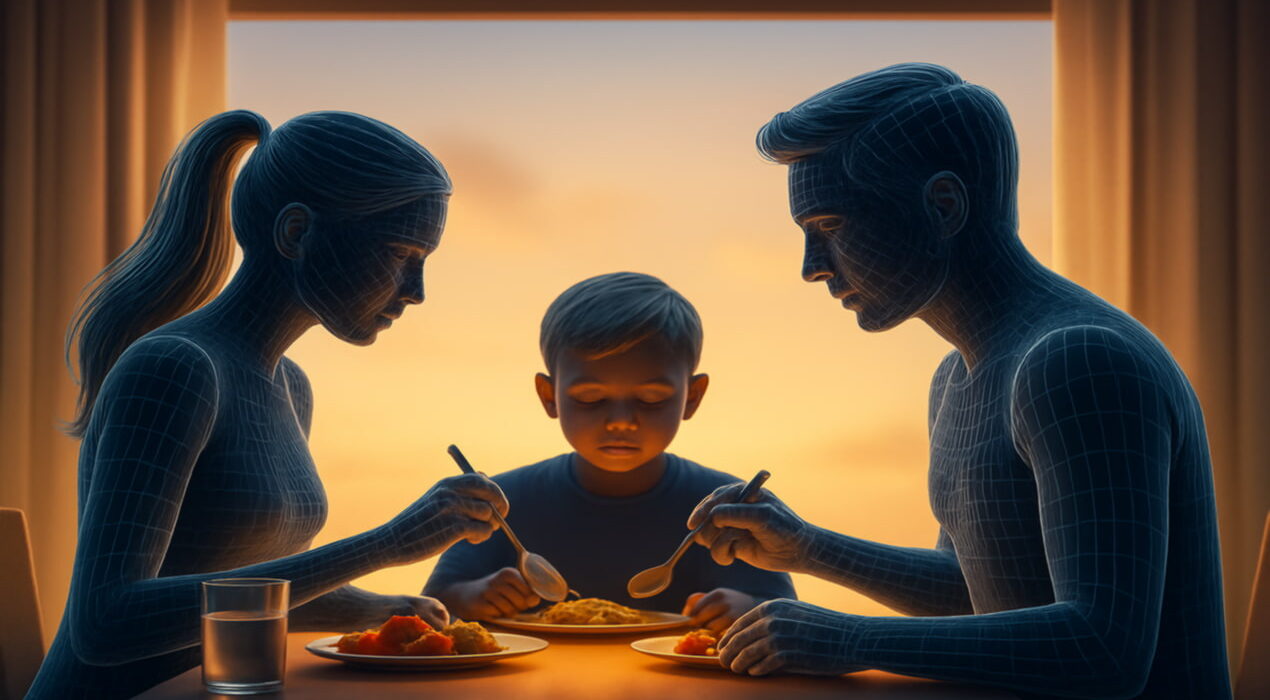
Family Dinners Improve Kids’ Mental Health and School Success, Study Finds
Eating dinner together does more than fill plates, it strengthens young minds. A new study from Columbia University found that children who share family dinners at least four times a week enjoy better mental health and academic performance.
When families eat together, kids feel heard and supported. These moments build emotional safety, which helps reduce stress and anxiety. As a result, children often focus better, communicate more openly, and develop higher self-esteem.
Creating Emotional Connection and Stability
Regular family meals create a sense of belonging. They give children a daily anchor in a fast-paced world, promoting calm and balance. For parents, it’s a chance to listen without distractions and understand what their children are experiencing.
These shared meals also encourage mindfulness. When kids slow down to eat, talk, and reflect, they learn to manage emotions more effectively. Over time, this consistent connection supports emotional growth and resilience, two keys to strong mental health.
Feeding the Mind and Heart
Family dinners are about more than food; they nourish relationships. Simple conversations at the table can boost empathy and confidence. Children who feel supported at home often carry that positivity into their schoolwork, friendships, and future challenges.
In today’s busy world, making time to sit together might seem tough. However, even a few shared dinners each week can create lasting benefits. The simple act of eating and talking together can help children feel secure, happy, and mentally strong one meal at a time.