AI Shapes a Sustainable Future for Northern Pakistan Tourism
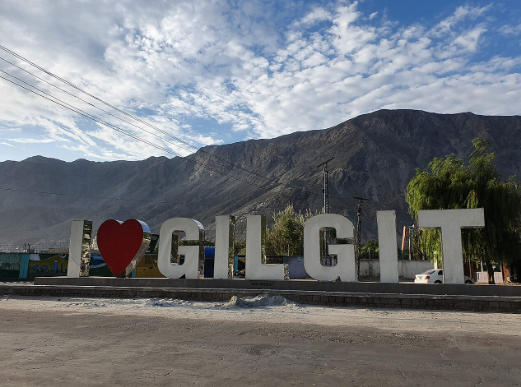
Northern Pakistan’s stunning landscapes are getting a high-tech guardian. Artificial Intelligence (AI) is now shaping the future of tourism there. The majestic peaks of Gilgit-Baltistan and Chitral attract many visitors. However, this popularity strains fragile ecosystems and local infrastructure. Therefore, authorities are promoting “Smart Tourism” to find a balance. AI serves as the primary tool for this transformation.
Smarter and Safer Travel in the Mountains
Travel safety in Karakoram is being redefined. AI-powered platforms now analyze vast amounts of data. They check historical weather patterns and real-time road conditions. As a result, these systems can predict landslides or sudden weather shifts. They advise travelers on the safest windows for their journeys. Consequently, this proactive approach reduces emergency incidents on high-altitude routes. Visitors gain a new sense of digital security alongside the stunning scenery.
Managing Crowds and Protecting Nature
Seasonal overcrowding in places like Hunza Valley is a major challenge. AI now helps manage visitor flow intelligently. It analyzes data from mobile signals and hospitality bookings. Therefore, authorities can predict peak times with high precision. They then implement digital permit systems and staggered entry. This strategy distributes the human footprint more evenly. It also encourages exploration of lesser-known villages, spreading economic benefits.
AI also acts as a silent protector of the environment. Satellite imagery and drone data feed into smart systems. These systems identify illegal construction or changes in glacial mass early. Early detection allows for swift action by environmental agencies. In this way, technology helps preserve the region’s unique alpine biodiversity.
Empowering Local Communities
The heart of Northern Pakistan’s tourism is its small enterprises. Family-run guesthouses and local guides often struggle to compete. However, AI-powered recommendation engines now help them. These platforms analyze traveler interests and suggest authentic homestays. They recommend traditional culinary experiences that might otherwise stay hidden. Therefore, digital visibility is granted to the grassroots economy. This inclusion ensures tourism revenue stays within local communities.
Challenges on the Path Forward
Despite this potential, challenges remain. Many high-altitude regions lack consistent internet connectivity. Tourism institutions also need specialized training to use these AI tools. Overcoming these issues requires close collaboration. Government agencies, academic institutions, and the tech sector must work together. Investments are being made in data systems and training programs. The goal is clear: use technology to preserve natural beauty and cultural heritage for future generations. AI is becoming a guardian of the mountains, not just a tool for counting visitors.