Alzheimer’s Clock Test Predicts Dementia Onset Timing
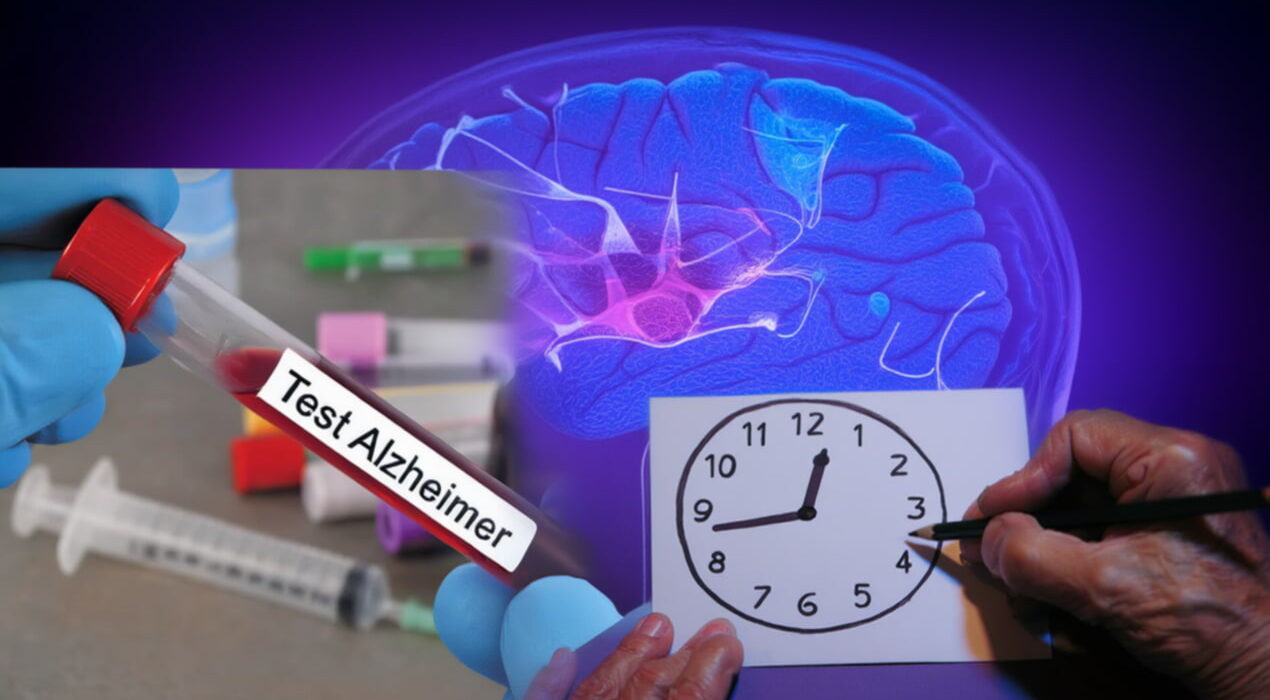
Scientists have introduced the Alzheimer’s clock test to estimate dementia timing. The method uses a simple blood sample. It helps doctors understand when symptoms may begin. Researchers at University of Washington School of Medicine developed this model. Their work appeared in Nature Medicine. The study shows how protein levels can reveal disease progression.
How the Alzheimer’s Clock Test Works
The test measures a protein called p-tau217 in blood. This protein links closely to brain changes seen in Alzheimer’s. Therefore, tracking its rise helps estimate symptom onset. Researchers studied 603 adults aged 60 and older. They compared blood results with cognitive data. As a result, they found each person has a steady protein increase rate.
For example, if levels rise at a fixed pace, they continue that way. This consistency allows experts to calculate timelines. However, age still affects when symptoms appear. Older adults may develop symptoms sooner than younger individuals. This happens because brain resilience declines over time. In addition, similar protein levels can lead to different outcomes.
Limits and Future Research
The Alzheimer’s clock test is promising but not perfect. Scientists report a three to four year margin of error. Therefore, predictions remain estimates, not exact dates. Lead researcher Susan Schindler says more studies are needed. The team plans to include diverse populations. This will improve accuracy and fairness.
Meanwhile, blood-based testing continues to evolve quickly. For instance, new techniques now allow easier sample storage. Hospitals and research centers are adopting these tools. Overall, this innovation may change how dementia is managed. Early insight supports better planning and care. It also gives individuals more time to prepare for the future.