Asia Energy Crisis Risk Grows as Iran War Disrupts Supply Chains
The Asia energy crisis is becoming a real concern as the Iran war continues. Governments across the region are preparing for supply disruptions. Meanwhile, the US is working on plans to end the conflict.
South Korea has already moved into crisis mode. It created an emergency task force to manage risks. Similarly, the Philippines declared a national emergency over low energy supply. Japan is reviewing its fuel supply chain. In addition, India’s leadership warned of serious economic challenges ahead.
Rising Inflation and Market Uncertainty
The conflict is also pushing inflation risks higher. For example, Australia expects price pressures due to supply shocks. Officials warn that a longer conflict could damage economic stability. As a result, financial markets remain tense. Oil prices continue to fluctuate due to uncertainty. At the same time, investors are reacting cautiously to global developments.
Strait of Hormuz Becomes Critical
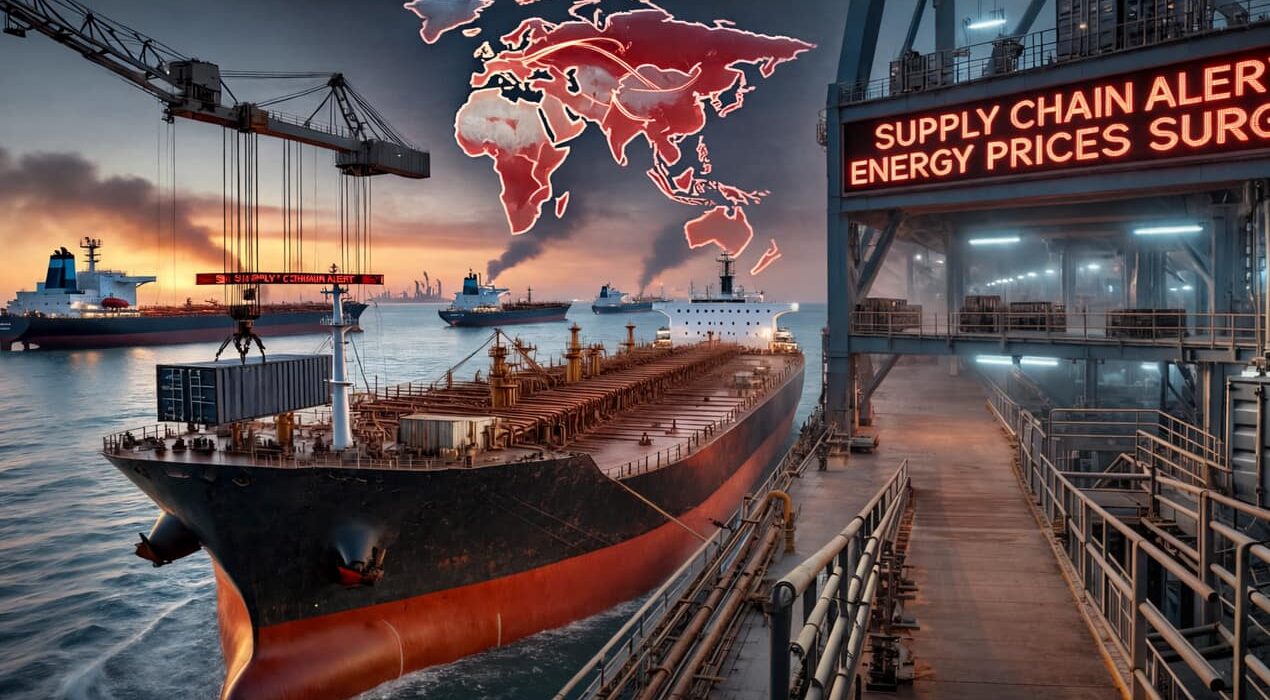
The Strait of Hormuz plays a key role in this situation. About a quarter of global oil trade passes through it. Therefore, any disruption affects energy flows worldwide. Iran controls access to this route. Currently, it allows only selected vessels to pass. This restriction has increased concerns across Asia.
Many countries depend heavily on Middle Eastern oil. However, reserves are now declining. This adds pressure on governments to act quickly.
Shortages Begin to Impact Daily Life
The shortage is already affecting everyday life. For instance, some areas have reduced work hours. In addition, authorities have turned off street lights to save fuel. In Pakistan, officials encourage people to stay home and watch cricket on TV. This helps conserve fuel. The government may also introduce fuel quotas soon. Meanwhile, Bangladesh faces long fuel queues. Drivers wait hours to refuel. Authorities have also paused fertilizer production to save energy.
Governments Consider Emergency Measures
Experts warn the situation could worsen. Therefore, governments are studying past crisis strategies. For example, pandemic-era policies may guide future actions. Some measures could include reduced economic activity. In extreme cases, industries may shut down temporarily. People might also face movement restrictions. Although a severe shortage is not certain, risks remain high. As a result, policymakers are staying alert and preparing for all scenarios.