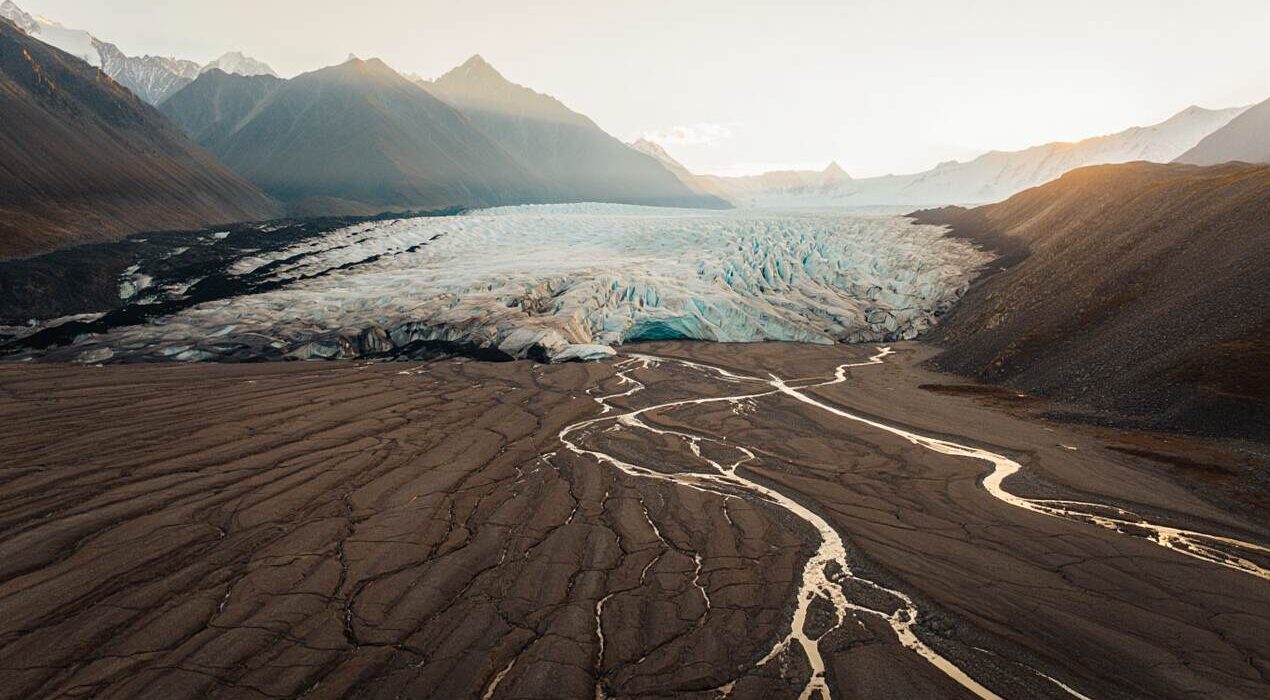
Asia’s Water Lifeline Is Drying Up Fast, New Study Warns
High Mountain Asia feeds rivers for over a dozen countries. Hundreds of millions rely on this water. However, a new study shows a sharp decline. The region loses 24.2 billion tons of groundwater each year.Researchers used satellites and artificial intelligence. They tracked changes over 20 years. As a result, they discovered that nearly two-thirds of the region is drying out.
Why Groundwater Is Vanishing
Climate change explains half of the loss. Ice and snow melt faster than before. In addition, human water use plays a major role. Farmers pump huge amounts for irrigation. This impact grew even stronger after 2010.The hardest-hit areas include the Ganges, Indus, and Amu Darya river basins. These are densely populated places. For example, intensive farming drives the steepest drops. Meanwhile, some higher altitude regions saw small increases.
What the Future Holds
Will the decline stop? Probably not. Current water use patterns continue to drain reserves. Glacier melt may temporarily slow the loss around the 2060s. This creates a short buffer. Nevertheless, the effect won’t last. After that, groundwater levels could fall even faster.
A Smarter Way to Track Water
The team built an AI framework. It combines satellite data with explainable machine learning. Therefore, scientists can now see delayed responses in mountain systems. They validated results against thousands of well observations.This matters for everyone. Without changes in water management, downstream farms face growing risks. The Asian Water Tower is shrinking. Understanding the problem is the first step toward solving it.