Autism Early Signs: World Autism Awareness Day 2026 Guide
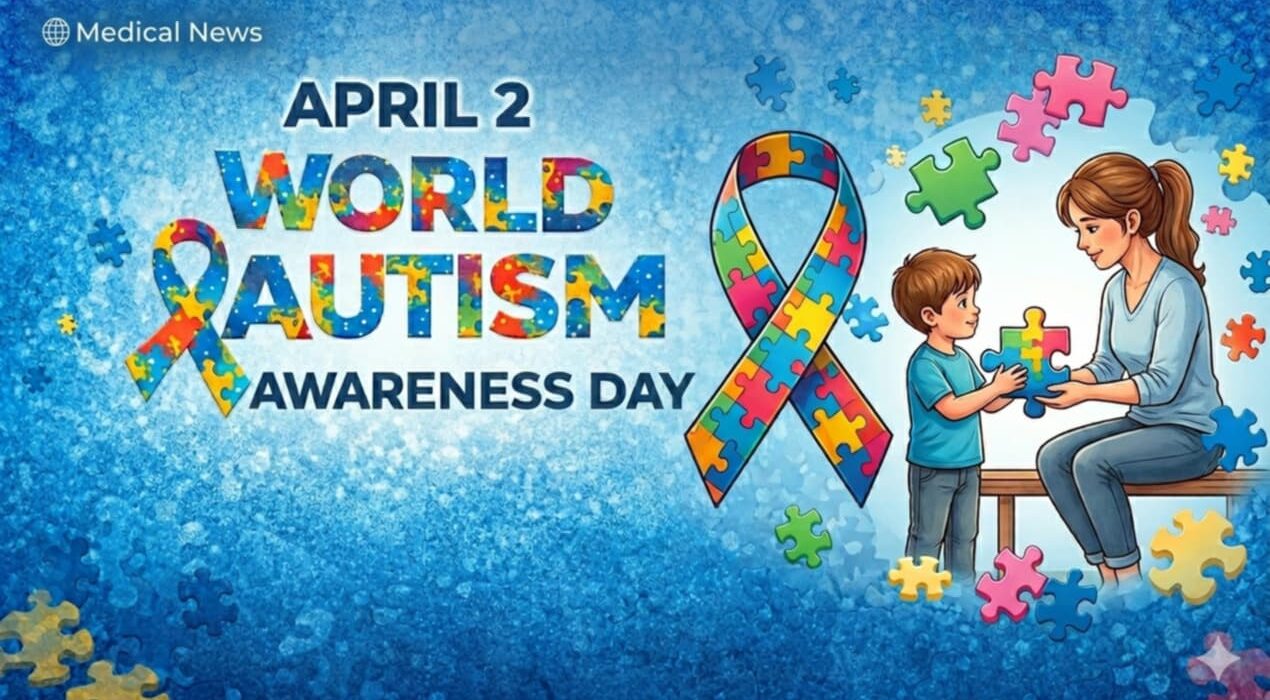
On April 2, the world marks World Autism Awareness Day 2026. It highlights autism early signs and the need for timely support. Today, the focus moves beyond awareness toward acceptance and dignity for all.
Autism is a neurodevelopmental condition that shapes communication and behavior. However, it exists on a spectrum, so every person is different. As a result, needs and strengths vary widely across individuals.
Families often face confusion at the start of this journey. Many parents notice small differences but feel unsure about them. Therefore, early guidance can make a powerful difference in outcomes.
Understanding Autism and Its Spectrum
Autism affects social interaction, communication, and sensory processing. Some children may avoid eye contact or show delayed speech. Others may prefer routines or repeat certain behaviors often.
However, not all signs look the same. For example, some individuals live independently and build strong careers. In addition, others may need ongoing support in daily life.
This wide variation explains why awareness alone is not enough. Inclusive thinking helps people understand and respect these differences better.
Early Signs and Why Action Matters
Parents should watch for autism early signs during early childhood. These include limited response to names or unusual play patterns. In addition, sensitivity to sounds or textures may appear.
Early diagnosis can improve communication and learning skills. Therefore, therapies like speech and occupational support become more effective. As a result, children gain confidence and independence over time. Delays in diagnosis can slow progress. However, timely action opens more opportunities for development.
Changing Mindsets and Building Inclusion
Many myths about autism still exist in society. Some people wrongly blame parenting or expect a cure. However, autism is not a disease that needs fixing.
Instead, society must create supportive environments. Schools, healthcare systems, and communities all play a role. Therefore, inclusive policies and awareness can improve lives. Autism is not the challenge. Lack of support is the real barrier.