Bangladesh Measles Outbreak Sparks Emergency Vaccination Drive
Bangladesh measles outbreak has triggered an urgent nationwide vaccination drive after a rapid surge in infections. The crisis has claimed over 100 lives within three weeks, mostly children. Health officials now race to contain the spread and protect vulnerable communities.
Rapid Rise in Cases Raises Alarm
According to the Health Ministry, cases have crossed 7,500 since mid-March 2026. In comparison, only 125 cases were reported throughout 2025. This sharp increase highlights how quickly measles can spread when immunity drops.
A large portion of patients are infants under nine months old. However, these children are not yet eligible for routine vaccines. As a result, they face a higher risk of severe illness and complications.
Doctors urge families to remain alert and seek early medical care. In addition, they stress the importance of timely vaccinations for eligible children.
Gaps in Immunization Efforts
UNICEF linked the Bangladesh measles outbreak to a long gap in supplemental immunization campaigns. These efforts paused for nearly six years due to COVID-19 disruptions and political instability.
The situation worsened after the 2024 removal of Sheikh Hasina. An interim government later changed procurement systems, which led to vaccine shortages.
Although a new government took office in February 2026, the damage had already spread. Therefore, many communities now face serious immunity gaps.
Emergency Response to Protect Children
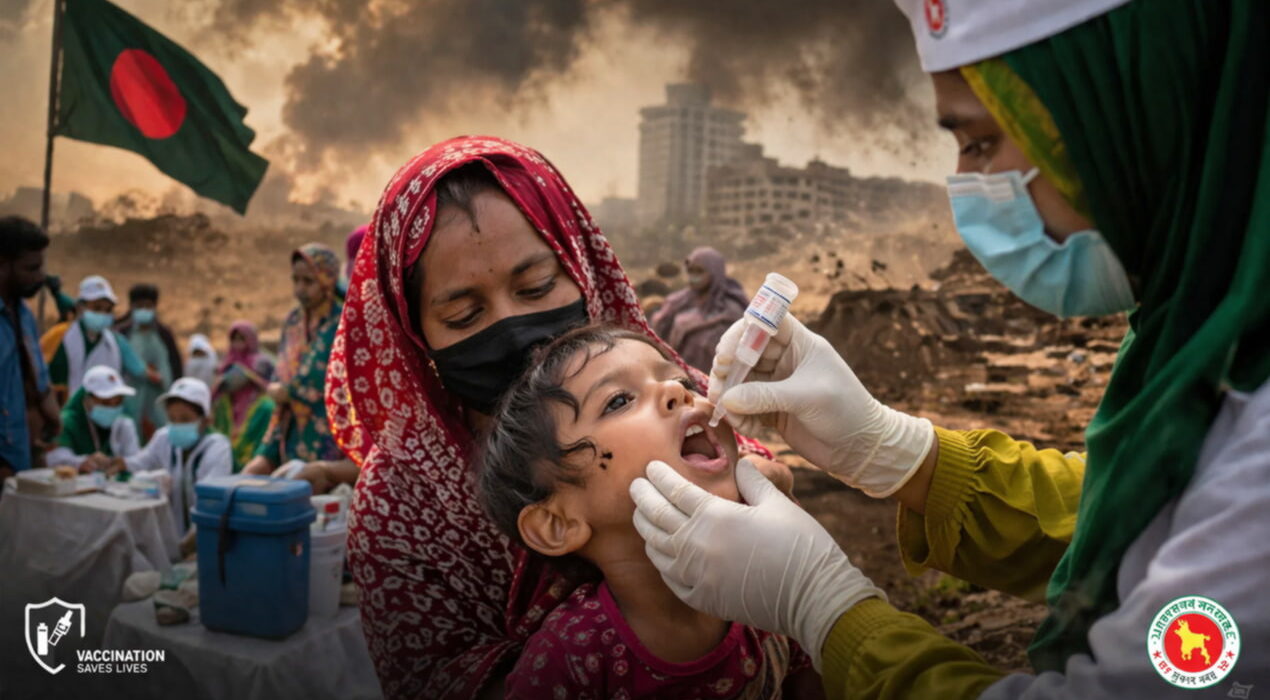
Authorities have launched a large-scale vaccination campaign across high-risk areas. Mobile teams are reaching remote regions to ensure wider coverage. Moreover, awareness campaigns aim to counter misinformation.
Health experts warn that even small disruptions can trigger outbreaks. Bangladesh usually maintains strong immunization rates. However, this crisis shows how quickly progress can reverse.
The Bangladesh measles outbreak serves as a critical reminder for sustained public health efforts. With swift action and community support, officials hope to control the spread. Ultimately, protecting children remains the top priority.