Bizarre Plants Thrive Without Photosynthesis, Study Reveals
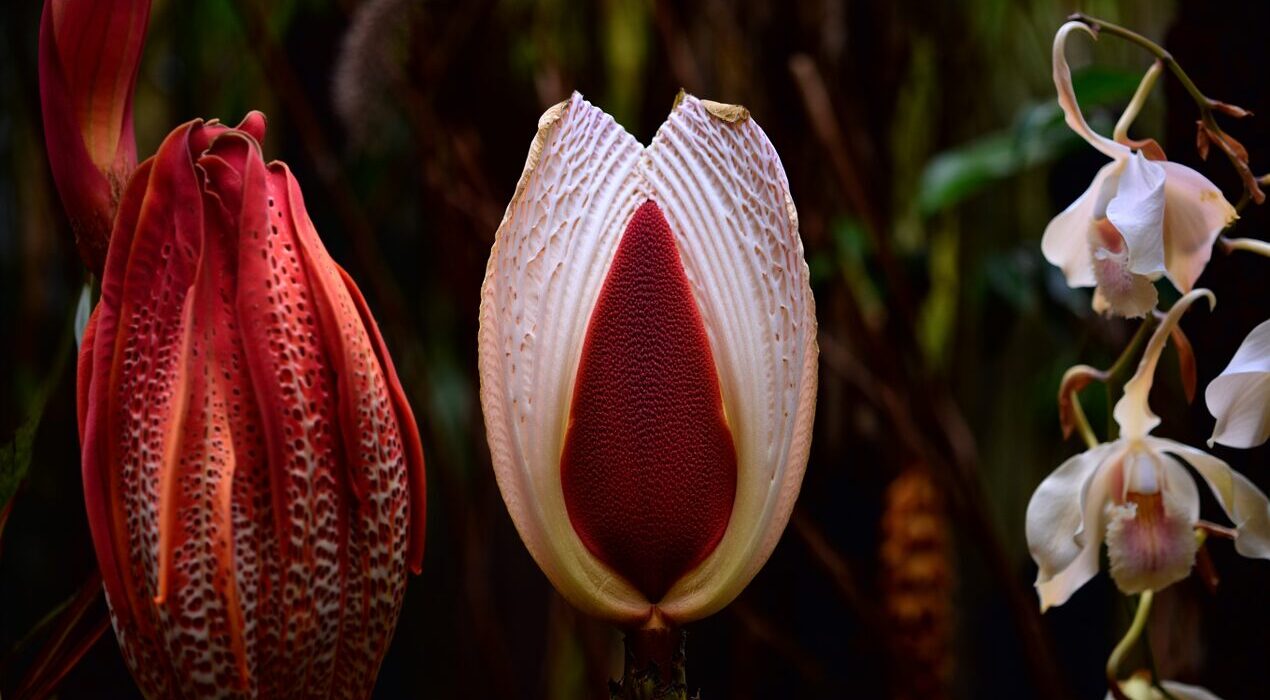
Most plants depend on sunlight to survive. However, scientists have identified a group of plants that grow without photosynthesis. These unusual plants belong to the genus Balanophora and live almost entirely underground.
Researchers from Kobe University conducted the study to understand how these plants survive. Unlike typical plants, Balanophora does not produce its own food. Instead, it absorbs nutrients directly from the roots of other plants.
Balanophora Plants Survive Underground
Balanophora plants lack chlorophyll and green leaves. Therefore, they cannot convert sunlight into energy. They survive by parasitizing nearby host plants and drawing nutrients from them.These plants remain hidden below the soil for most of their lives. They only emerge briefly during flowering seasons. In addition, several species reproduce without fertilization.Kenji Suetsugu, a botanist at Kobe University, led the research. His goal was to better understand how plants evolve after abandoning photosynthesis. He also examined how these changes affect reproduction and survival.
Reduced Plastids Still Play a Vital Role
The research team studied plastids, which normally support photosynthesis. In Balanophora, plastid genomes have shrunk significantly. However, the plastids have not disappeared.Despite their reduced size, plastids still support essential metabolic functions. As a result, the plants continue to survive even without producing energy from sunlight. The findings were published in the journal New Phytologist.
Asexual Reproduction Improves Survival
The study also found that asexual reproduction developed multiple times within the group. This strategy allows plants to produce seeds without pollination. Therefore, reproduction continues even when pollinators are absent.This ability helped Balanophora spread across parts of Japan, Okinawa, and Taiwan. Researchers believe this flexibility explains the plant’s long-term survival. Future studies will examine how plastids support these parasitic plants at a biochemical level.