Brain Parasite in 1 in 3 People Has a Kill Switch, Study Finds
One in Three People Carry This Brain Parasite. But the Body Has a Kill SwitchA stealthy parasite may already live in your brain. Roughly one-third of the global population carries Toxoplasma gondii. Yet most people never develop symptoms. New research from UVA Health explains why. Scientists discovered that infected immune cells can self-destruct. This kills the parasite hiding inside them.
The Parasite Hiding in Your Brain
Toxoplasma gondii infects warm-blooded animals. People usually get it from cat contact or undercooked meat. It can also spread through contaminated produce. The parasite travels to multiple organs. Eventually, it settles in the brain for life. This sounds terrifying, but here is the good news. Most people never get sick from it. However, those with weak immune systems face serious risks. Understanding this defense mechanism could help them.
How Immune Cells Fight Back
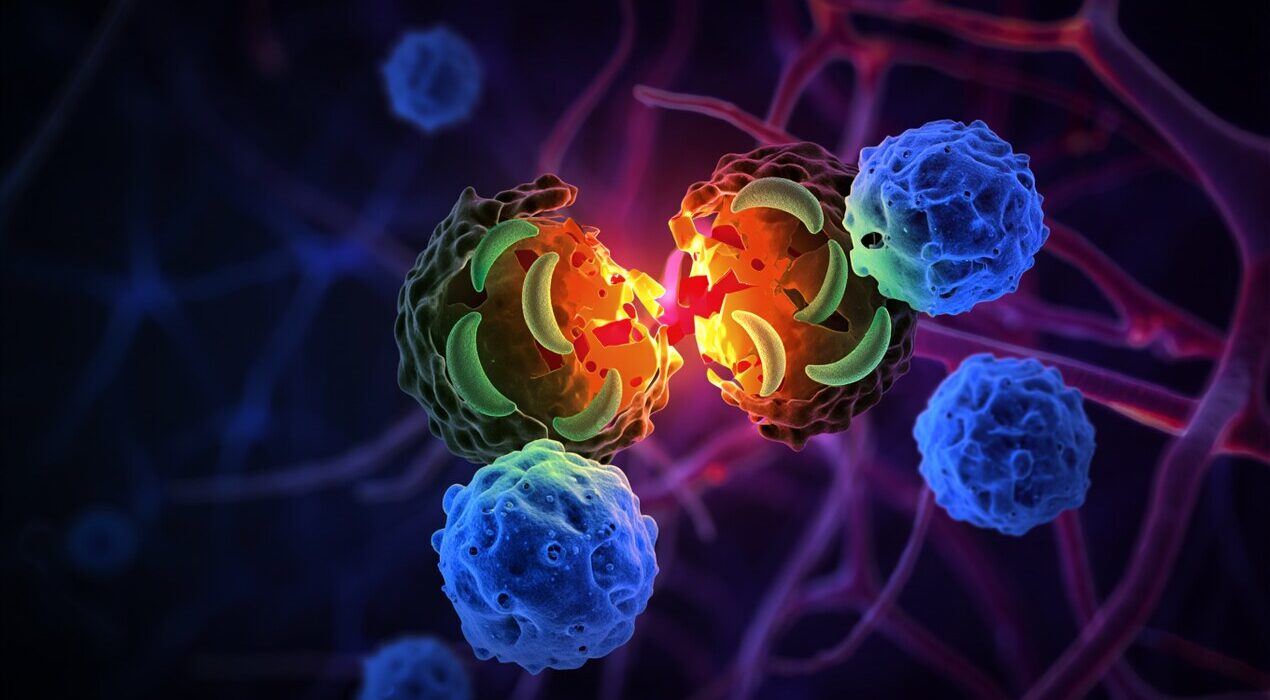
CD8+ T cells are key immune defenders. Their job is to kill infected cells. But Toxoplasma has a clever trick. It can invade these very defender cells. This seems like a deadly situation. The parasite hijacks its own executioner. However, the body has a backup plan. Infected T cells can trigger a self-destruct mechanism. An enzyme called caspase-8 powers this process.
The Self-Destruct Defense Explained
When caspase-8 activates, the cell destroys itself. The parasite needs living cells to survive. Therefore, cell death means game over for Toxoplasma. Lead researcher Tajie Harris explains the significance. T cells are crucial for fighting this parasite. Scientists thought they understood why. T cells can destroy infected cells directly. They can also signal other cells to help. Now we know they have another trick. If infected themselves, they choose to die. Pretty clever, right?
The team studied mice with and without caspase-8. Mice lacking the enzyme developed severe infections. Their brains had much higher parasite levels. These mice became seriously ill and died. In contrast, mice with caspase-8 stayed healthy. Their T cells controlled the infection effectively. Examination revealed why. T cells without caspase-8 got infected more often. The self-destruct mechanism was missing.
Why This Discovery Matters
This explains how most people stay healthy. The kill switch keeps the parasite in check. However, some pathogens might disable this defense. Harris notes that few pathogens infect T cells. Now we understand why. Caspase-8 makes it a dangerous strategy. Only parasites that can disable caspase-8 succeed. This knowledge could guide future treatments. Patients with weak immune systems need better options.