Brain-Training Games Proven to Slow Cognitive Aging, Study Confirms
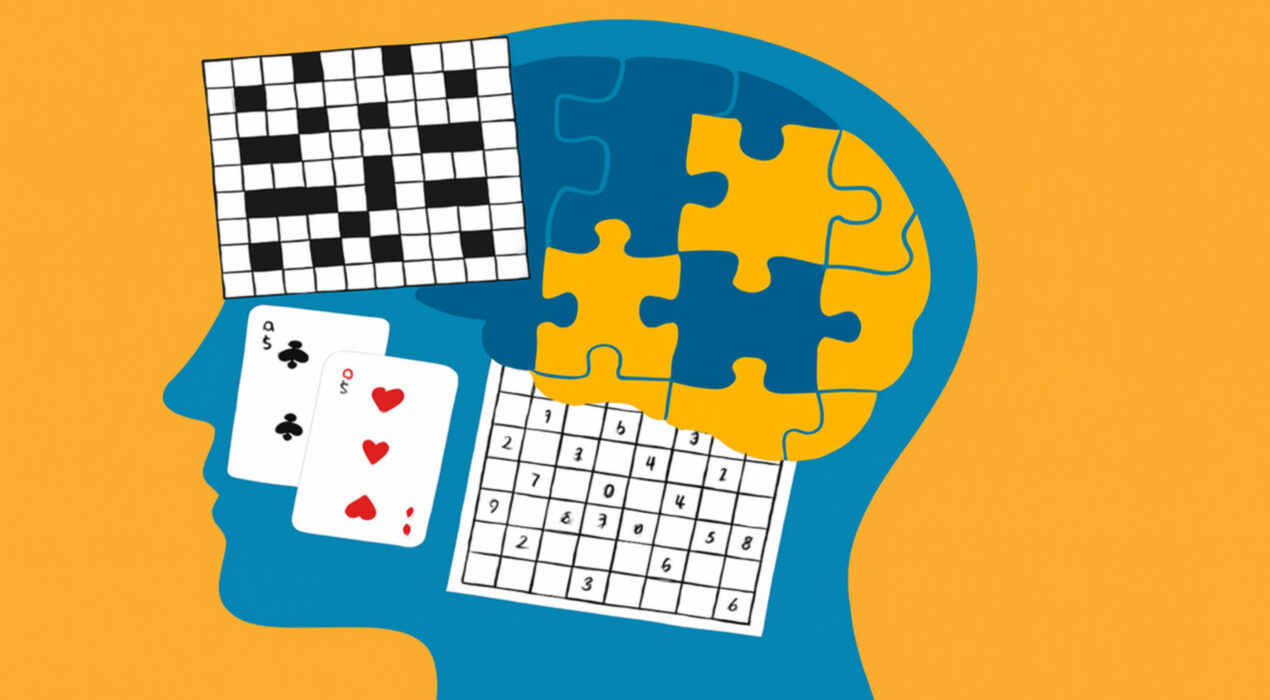
A new study has found that brain-training games can truly slow the effects of aging on the human brain. This discovery supports what Nintendo and neuroscientist Dr. Ryuta Kawashima have promoted for years. According to the study, just 30 minutes of mental exercise a day can make a difference.
How Brain Games Rejuvenate the Mind
Researchers reported that daily sessions boosted levels of acetylcholine, a chemical that supports learning and memory. In a 10-week trial with 95 participants aged over 65, acetylcholine levels rose by 2.3%. While that may sound small, it nearly cancels out the 2.5% decline that usually happens per decade. As a result, the boost could make the brain perform as if it were almost ten years younger.
However, not all games have this effect. Only those designed to engage memory and reasoning like Dr. Kawashima’s Brain Training produced real results. Casual games such as Candy Crush or solitaire did not increase acetylcholine levels.
The Vision Behind Brain Training
Dr. Kawashima, a global expert in dementia prevention, helped Nintendo create the Brain Age series in 2006. The games featured simple arithmetic and memory puzzles meant for daily play. In 2020, Nintendo released a new version for the Switch, continuing his mission to keep minds active.
These findings give strong scientific backing to Kawashima’s belief that short, regular brain workouts can preserve mental sharpness well into old age. Meanwhile, another recent study in PNAS revealed that the causes of Alzheimer’s disease differ between men and women, highlighting the complexity of brain health.