Brutal Iron Age Massacre Targeted Women and Children, Study Reveals
A mass grave in Serbia holds the remains of over 77 people. Most were women and children killed in a deliberate act of violence nearly 2,800 years ago. Archaeologists made a shocking discovery at Gomolava in northern Serbia. They found a grave containing more than 77 individuals. The victims showed signs of blunt force trauma and stab wounds. Researchers believe this was no ordinary raid. The killings were organized and deliberate. Most surprising? The victims came from different communities, not one village.
Genetic Evidence Changes Everything
Scientists used DNA analysis to study the remains. The results took them by surprise.”We expected to find families from a single attacked village,” said Associate Professor Barry Molloy from University College Dublin. Instead, genetic testing showed the victims were not related. Even their distant ancestors shared no connection.Of the victims, 87% were female. The grave included 40 children between ages one and twelve. Eleven adolescents and 24 adults also lay there. The only infant found was male.
A Brutal Message From the Past
Why kill women and children from different communities? Researchers think it sent a clear warning.In ancient times, attackers often captured young people and took them as slaves. Killing them instead showed extreme dominance. It told neighboring groups: we have absolute power over you and your families.”This was a powerful bid to balance power relations,” explained co-lead Dr. Linda Fibiger from the University of Edinburgh. The message asserted control over land and resources.
A Strange and Respectful Burial
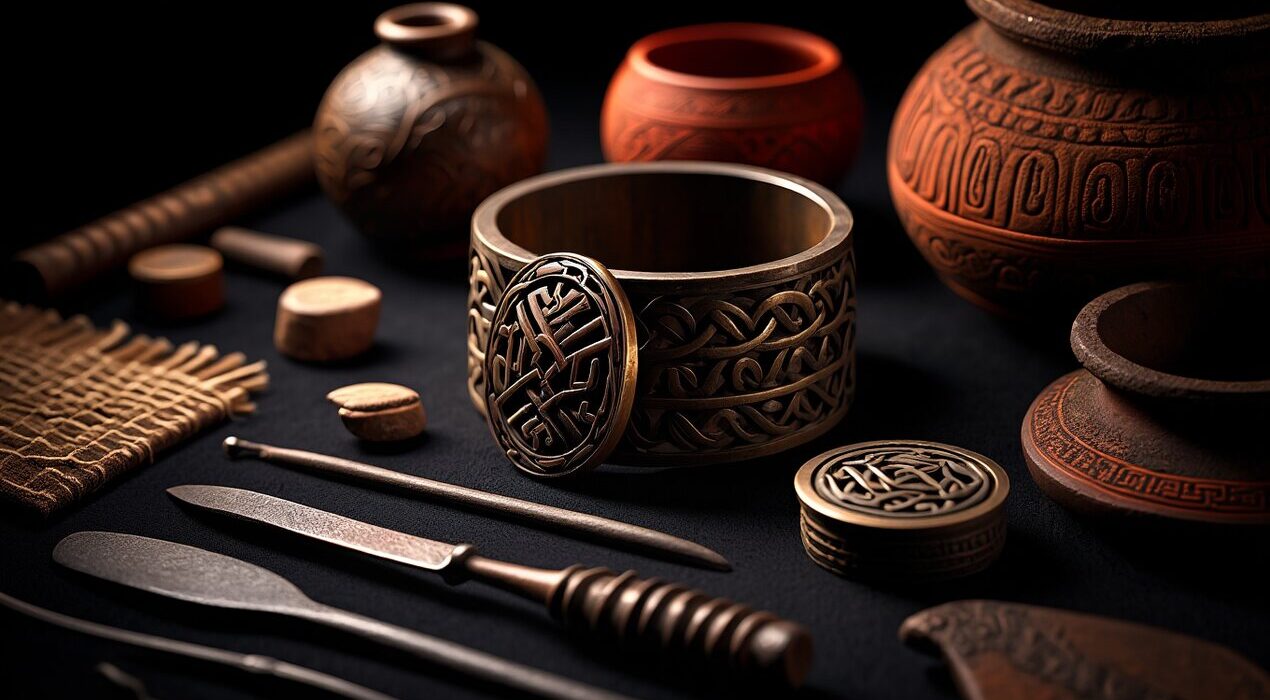
What makes this grave unique is how they buried the victims. Most prehistoric mass graves show haste. Bodies get thrown into pits without care.At Gomolava, something different happened. The victims lay in a disused house. They still wore their bronze jewellery. Ceramic drinking vessels accompanied them.Workers placed animal remains in the grave, including a butchered calf. They added broken grain grinding stones and burnt seeds on top. This looks like a respectful ritual, not a careless disposal.Someone cared enough to honor these dead. The killers may have performed this ceremony themselves. If so, the brutality and ritual together sent an even stronger message.
What This Tells Us About Iron Age Europe
The massacre happened during an unstable period. Communities were building fortifications and claiming land. This created conflict with neighbors who disputed boundaries.Mobile pastoralists also needed seasonal access to the same territory. Tensions likely boiled over into extreme violence.The study published in Nature Human Behaviour reveals how mass killings demonstrated power in prehistoric Europe. Reasserting control over landscapes sometimes meant widespread, brutal episodes between competing groups.An international team led by University College Dublin, the University of Edinburgh, and the University of Copenhagen conducted the research. The European Research Council supported their work.This grave tells a heartbreaking story. It also reveals how ancient people used terror to control land, resources, and each other.