Camel Peptides Fight Drug-Resistant Bacteria Breakthrough
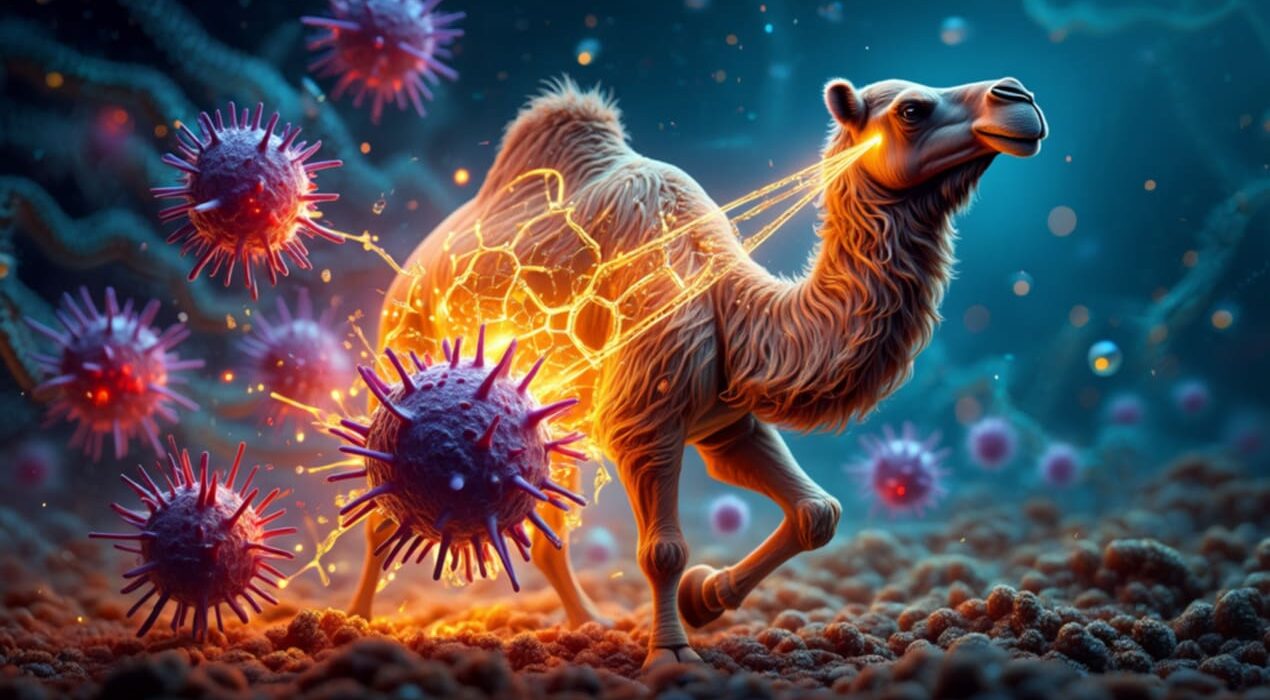
Antimicrobial resistance is a serious global health concern today. Scientists now explore camel peptide bacteria cure as a new solution. This research may help fight infections that no longer respond to antibiotics. Researchers at Sultan Qaboos University discovered three unique antimicrobial peptides in camels. They tested these compounds against dangerous bacteria. For example, they studied MRSA and resistant E. coli strains. The findings appeared in ‘Frontiers in Immunology’. Scientists used lab experiments and computer models to confirm results. In addition, they examined how these peptides affect bacterial cells.
How Camel Peptides Work
These peptides attack bacteria in a different way. Instead of targeting specific functions, they damage bacterial membranes. As a result, bacteria struggle to survive or adapt. Traditional antibiotics often fail due to resistance mutations. However, these peptides reduce that risk significantly. Therefore, they may remain effective for longer periods. Camels have strong natural immunity compared to other animals. Their bodies produce protective compounds like these peptides. This ability helps them resist infections more effectively.
Why This Discovery Matters
Drug-resistant infections continue to rise worldwide. Many treatments are becoming less reliable. As a result, new approaches are urgently needed. Camel peptides bacteria cure offers a promising alternative. Early tests show low harm to healthy cells. This suggests they may be safe for future use.
However, researchers still need clinical trials. They aim to refine these peptides for medical treatments. In the future, this discovery could transform infection care. Scientists also plan to use Oman’s camel resources for further studies. If successful, these peptides may provide safer and stronger treatments.