Cannabis Liver Compounds Study: Israeli Scientists Find Hope for Fatty Liver Treatment
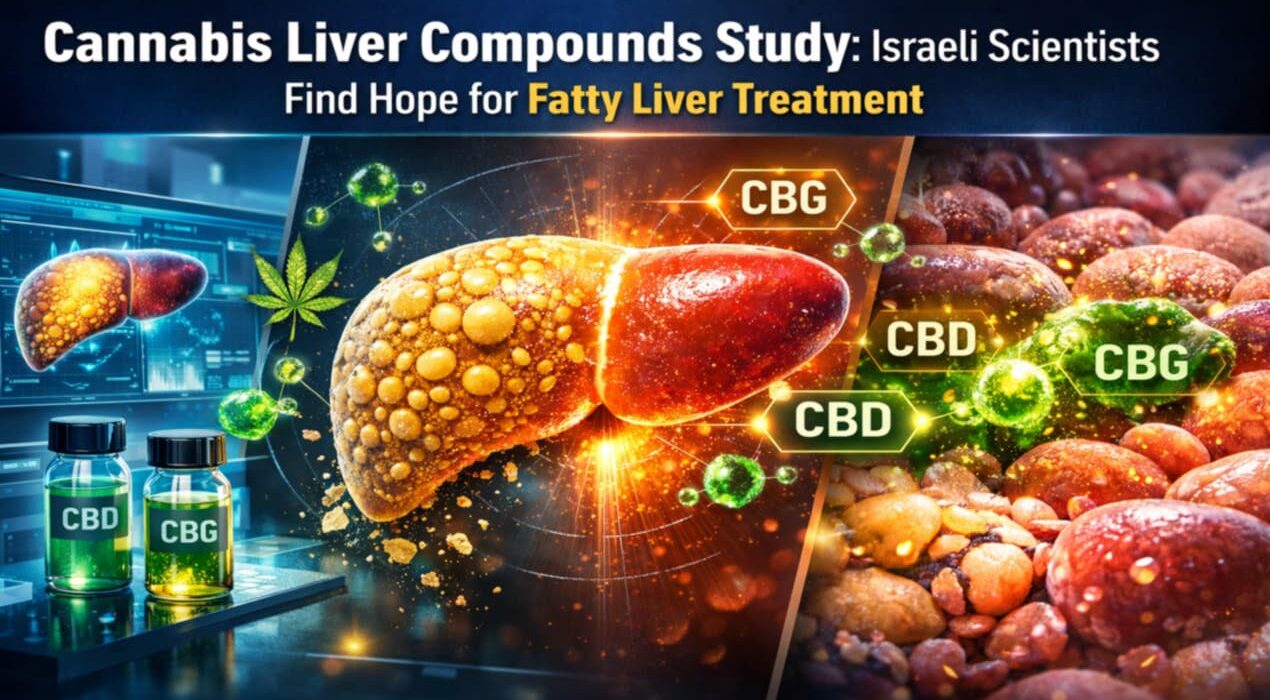
Israeli researchers say ‘cannabis liver compounds’ could help treat fatty liver disease. Scientists studied two plant molecules called CBD and CBG. These compounds may improve how the liver manages energy and clears harmful fats.
Metabolic dysfunction-associated steatotic liver disease, or MASLD, affects about one in three adults worldwide. However, doctors still have no approved drug for this condition. Therefore, researchers continue to search for new treatment options.
The study was led by Professor Yossi Tam from the Hebrew University of Jerusalem. His team found that CBD and CBG improved liver health in mice. In addition, both compounds are non-psychoactive and do not cause a high.
A growing global health concern
MASLD often develops when excess fat builds up in the liver. This buildup can trigger irritation and inflammation. As a result, long-term damage or liver failure may occur.
Obesity is a major risk factor for this disease. Many people also experience fatigue, discomfort, or pain under the right side of the ribs. However, early lifestyle changes can slow the condition.
Healthy eating and regular exercise may help reduce liver fat. Still, treatment becomes difficult when the disease progresses. Therefore, scientists want to develop safe medical therapies.
How the compounds support liver function
Researchers discovered that cannabis liver compounds affect how the liver produces energy. Normally, the organ relies on steady energy from fats and sugars. However, a high-fat diet can disrupt this balance.
CBD and CBG helped restore energy levels inside liver cells. For example, they increased phosphocreatine, a molecule that acts like a backup battery. This process protected cells from damage. The compounds also improved the liver’s natural cleaning system. Enzymes called cathepsins remove harmful fats and waste more efficiently. As a result, liver function improved.
Next steps for future treatment
Scientists tested the compounds in mice fed a high-fat diet. Researchers then treated the animals for 28 days. During this time, they carefully monitored metabolism and liver health.
The treatment lowered harmful lipids such as triglycerides and ceramides. In addition, CBG reduced body fat and total cholesterol levels. Experts say these findings could have major public health benefits. Researchers now hope to begin clinical trials in humans. If successful, cannabis liver compounds could lead to the first drug for MASLD.