Common Plastics May Harm Health From Childhood, New Research Warns
New research suggests that chemicals in common plastics may quietly affect lifelong health. Early exposure has been linked to obesity, infertility, and even asthma. Experts say the findings deserve urgent attention.The review, published in The Lancet Child & Adolescent Health, examines hundreds of studies. Therefore, it offers one of the clearest pictures yet of how plastic pollution shapes human health.
What Scientists Found
Researchers highlight three major chemical groups: phthalates, bisphenols, and PFAS. These chemicals appear in everyday products that many families use. In addition, they often show up in food packaging, cosmetics, and even printed receipts.Studies following thousands of pregnant people and children connect these chemicals to long-term health problems. For example, they link exposure to heart disease, obesity, asthma, and infertility. Researchers also see ties to reduced IQ and conditions such as ADHD and autism.
How Plastics Release Harmful Substances
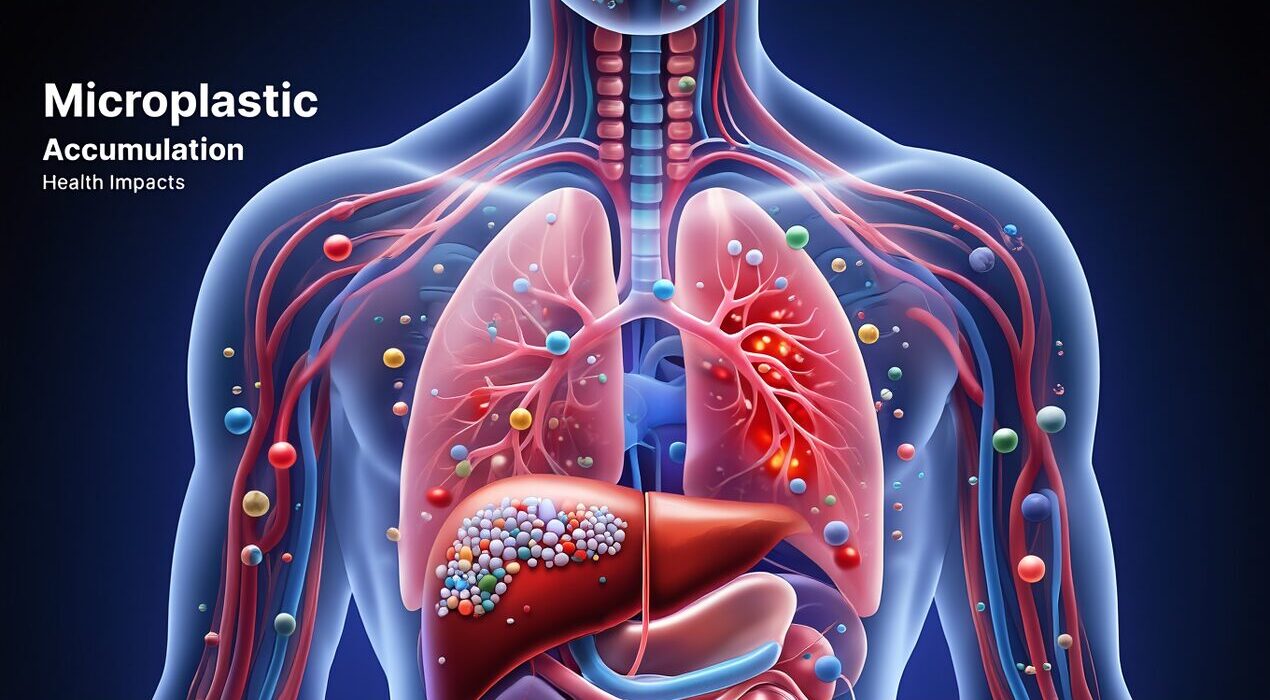
Plastics can shed tiny particles when heated or used repeatedly. As a result, people may ingest microplastics without realizing it. Research also shows that these chemicals can disrupt hormones and trigger widespread inflammation.Scientists warn that these changes can influence how the brain and other organs develop. Therefore, early exposure may carry effects that last well into adulthood.
Simple Steps to Reduce Exposure
Families can take small actions to lower risk. Experts recommend choosing glass or stainless steel containers. They also suggest avoiding microwaving or dishwashing plastic items.Health providers can support these efforts by educating families and schools. In addition, community programs can help raise awareness.
Why Global Action Matters
Researchers argue that stronger policies are essential. The United Nations’ Global Plastics Treaty aims to limit unnecessary plastic use worldwide. Supporters say a bold agreement could protect both people and the planet.
Plastics still play an important role in medical care. However, experts stress that reducing avoidable use is key to safeguarding long-term health.