Congo Basin Lakes Release Ancient Carbon, Worrying Scientists
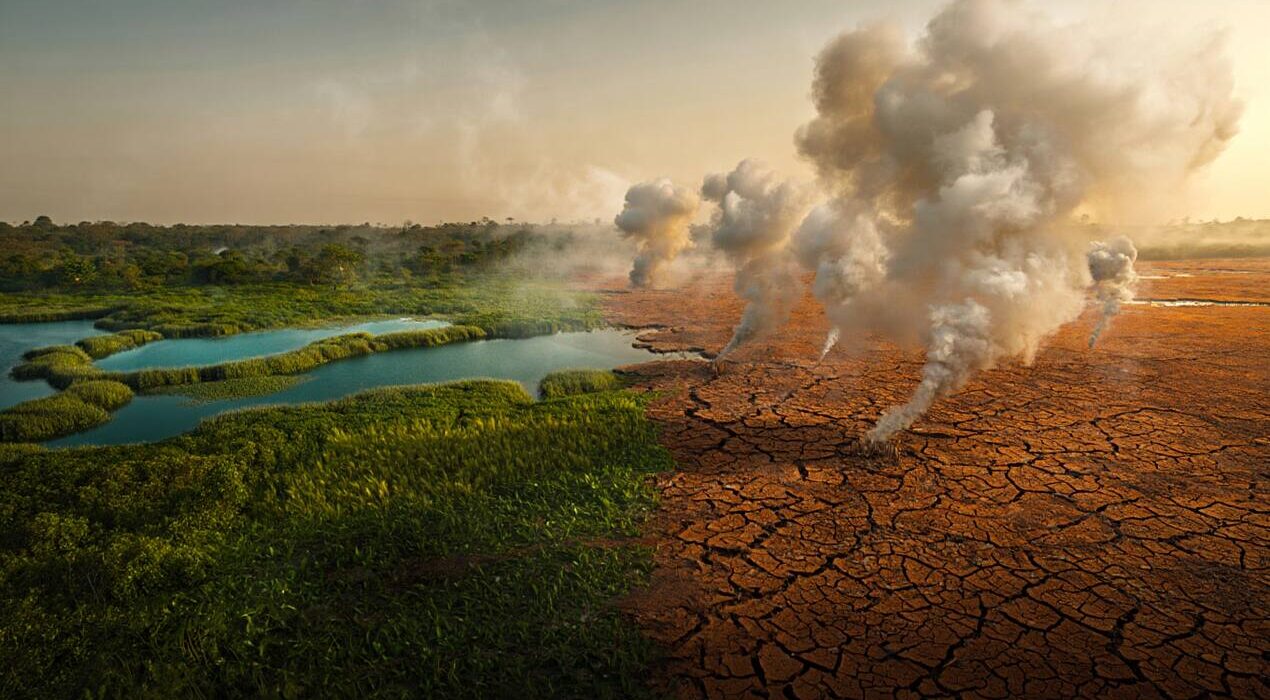
Deep in the Congo Basin, vast peatlands store enormous amounts of carbon. These tropical swamps have locked away plant material for thousands of years. However, new research shows this ancient vault may be leaking.Scientists from ETH Zurich studied two blackwater lakes in the Democratic Republic of Congo. Lac Mai Ndombe and Lac Tumba both have dark, tea-colored water. This color comes from decaying plant material washing in from surrounding forests.The researchers expected to find modern carbon in the lakes. Instead, they made a surprising discovery. Up to 40 percent of the carbon dioxide bubbling from these lakes comes from peat that accumulated thousands of years ago.We were surprised to find that ancient carbon is being released,” explains lead author Travis Drake. Co-author Matti Barthel adds, “The carbon reservoir has a leak.”
Why This Finding Matters
Tropical peatlands play a critical role in Earth’s climate. The Congo Basin covers just 0.3 percent of the planet’s land surface. Yet it stores about one third of all carbon held in tropical peatlands worldwide.Scientists previously believed this carbon remained locked away for extremely long periods. They thought only extended drought could release it. Now, this study changes that understanding.Researchers do not yet know exactly how this ancient carbon escapes. The pathways from peat soils into lake water remain uncertain. Understanding whether this signals a dangerous shift or a natural balance is now a key question.
Climate Change Adds Pressure
Environmental changes may be making the problem worse. If conditions become drier, peat soils could dry out more frequently. This allows oxygen to penetrate deeper into the peat layers.Oxygen accelerates microbial breakdown of once-stable organic material. As decomposition speeds up, more CO2 could enter the atmosphere from this enormous carbon store.Water levels also affect methane emissions. When lake levels drop during dry seasons, more methane escapes. Scientists fear longer droughts could turn these lakes into significant methane sources.
Deforestation Poses an Even Greater Threat
Climate is not the only concern. The population of the Democratic Republic of Congo is projected to triple by 2050. More people need farmland, which leads to more forest clearing.Deforestation can intensify drought conditions. Forests do more than absorb carbon—they also release water vapor through their leaves. This vapor promotes cloud formation and rainfall.”Forests are the green lungs of the Earth,” says Barthel. When we lose them, we disrupt the entire water cycle that feeds rivers and lakesThese findings sharpen our understanding of tropical peatlands. They also highlight the urgency of protecting Congo Basin wetlands. Reducing greenhouse gas emissions globally remains critical.Researchers will continue studying these remote ecosystems. Their work helps improve climate models that previously underrepresented tropical lakes and wetlands.The fate of this ancient carbon rests on human choices. How we address climate change and deforestation will determine whether the leak becomes a flood.