Diesel Price Cut Brings Relief as Pakistan Keeps Petrol Rates Unchanged
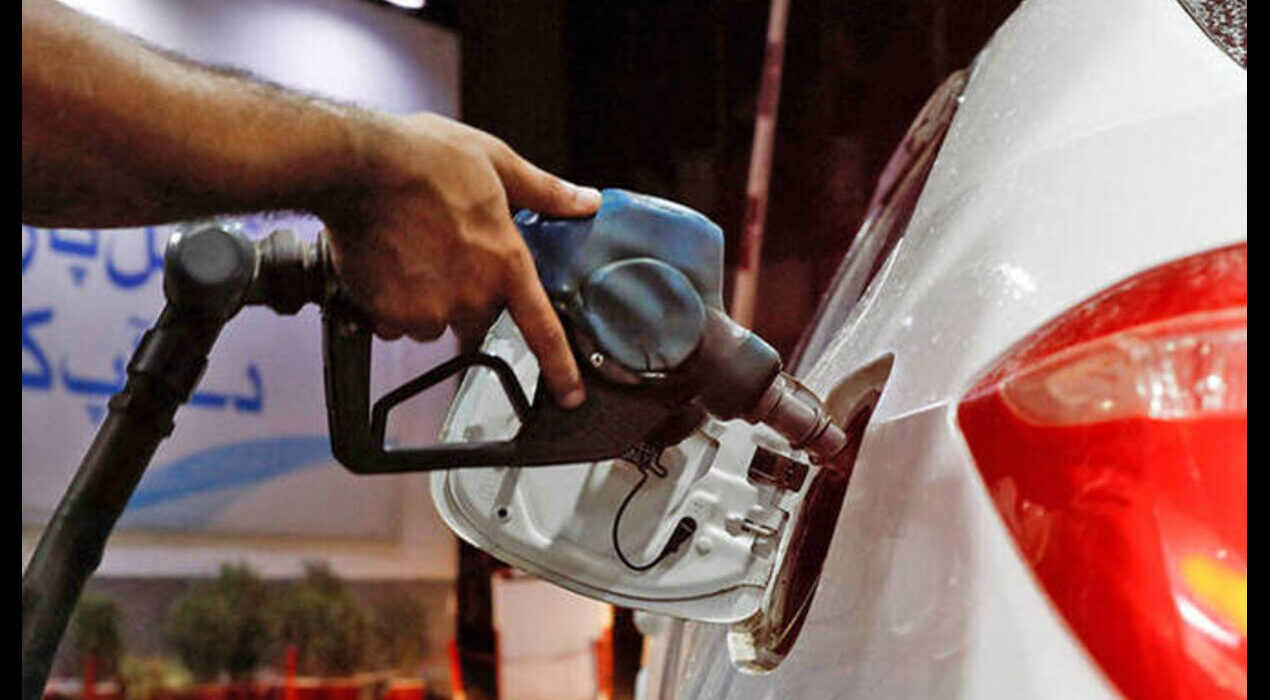
Pakistan announced a diesel price cut in Pakistan on Tuesday, offering limited relief to transporters and businesses. The government reduced high-speed diesel prices for the next two weeks. However, authorities kept petrol prices unchanged.
Officials said the decision aims to balance inflation control and fiscal discipline. Fuel prices remain a sensitive issue due to their impact on daily life. Therefore, even small changes draw strong public attention.
Diesel cut may ease transport and food costs
High-speed diesel plays a key role in Pakistan’s economy. It powers trucks, farm machinery, and inter-city transport. As a result, diesel prices strongly influence food and freight costs.
The petroleum division issued a notification late Monday. It confirmed a reduction of Rs14 per liter in diesel prices. The new rate now stands at Rs265.65 per liter, effective December 16.
Meanwhile, the government kept petrol prices unchanged. Motor spirit remains priced at Rs263.45 per liter for the same period. Petrol mainly affects private vehicle owners and urban commuters.
Analysts say the diesel reduction could help control transport costs. However, the benefit depends on whether savings reach consumers. In addition, market behavior will shape the final impact.
Fuel pricing tied to IMF-backed reforms
Pakistan reviews fuel prices every two weeks. Authorities base revisions on global oil rates, exchange trends, and taxes. The government follows recommendations from the Oil and Gas Regulatory Authority.
The decision comes during ongoing economic reforms. Pakistan is operating under an International Monetary Fund loan program. Therefore, the government cannot offer broad fuel subsidies.
Energy pricing remains politically sensitive across the country. Fuel costs affect household budgets and business operations. Still, officials say pricing must reflect market realities.
In recent years, Pakistan removed blanket fuel subsidies. Authorities say these steps aim to reduce deficits and stabilize the economy. As a result, fuel price adjustments have become more frequent.