Eco-Anxiety and Beyond: The Emerging Mental Health Crisis of a Changing Climate
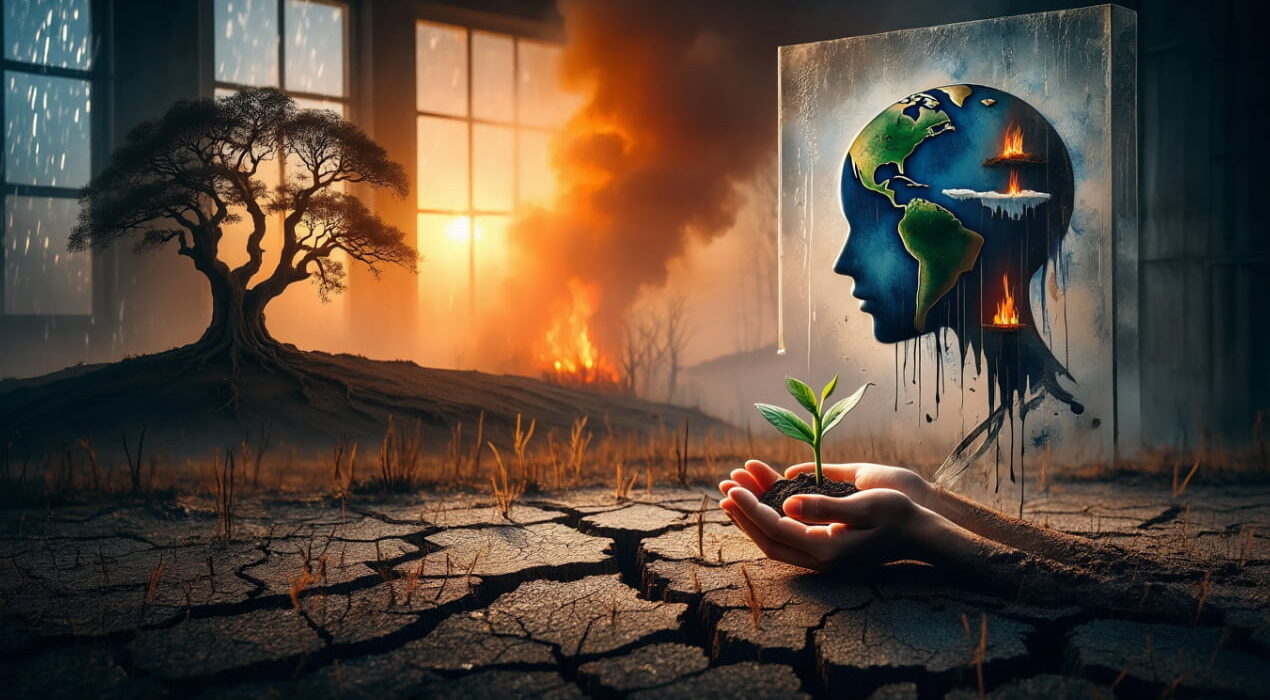
A new type of distress is entering the public health lexicon: eco-anxiety. It describes the chronic fear and helplessness linked to environmental doom. However, experts say the mental health impact of climate change is far broader. It ranges from acute trauma after disasters to the subtle strain of a warming world.
These psychological effects are now a serious focus for researchers and health agencies. The American Psychological Association calls it a “chronic mental health threat.” Therefore, climate change is no longer just an environmental issue. It is a profound and growing public health crisis.
The Many Forms of Climate-Related Distress
The mental toll manifests in several distinct ways:
Direct Trauma and Loss: Survivors of hurricanes, wildfires, and floods face PTSD, depression, and profound grief. They lose homes, loved ones, and a sense of security.
Eco-Anxiety and Pre-Traumatic Stress: Many people, especially the young, report a pervasive dread about the future. This is not about a past event, but a feared future. It can lead to paralysis, panic, and hopelessness.
Solastalgia: This term describes the distress caused by watching one’s home environment change or degrade. It is a form of homesickness while still at home.
Vulnerable Populations Bear the Greatest Burden
The impacts are not felt equally. Frontline communities face disproportionate risk. These include low-income groups and people of color. They often live in areas more exposed to climate hazards. They also have fewer resources for recovery.
Indigenous communities experience a unique cultural and spiritual loss. Their identities are deeply tied to the land. Agricultural workers face economic ruin from droughts and floods. Therefore, climate change acts as a “threat multiplier” for existing social and health inequalities.
Building Resilience: The New Frontier of Care
The healthcare response is evolving. It focuses on building psychological resilience before disaster strikes. This includes training community health workers in “psychological first aid.” It also involves integrating climate risk into urban planning and public health policy.
Therapists are developing new frameworks to help patients. They validate eco-anxiety as a rational response. Then, they channel that concern into actionable coping strategies. These might include community action or nature connection practices.
The message is becoming clear. Protecting mental health in the 21st century requires addressing the climate crisis. Supporting emotional resilience is now part of the global adaptation strategy.