Electricity Tariff Rise with Petrol Price Surge in Pakistan Today
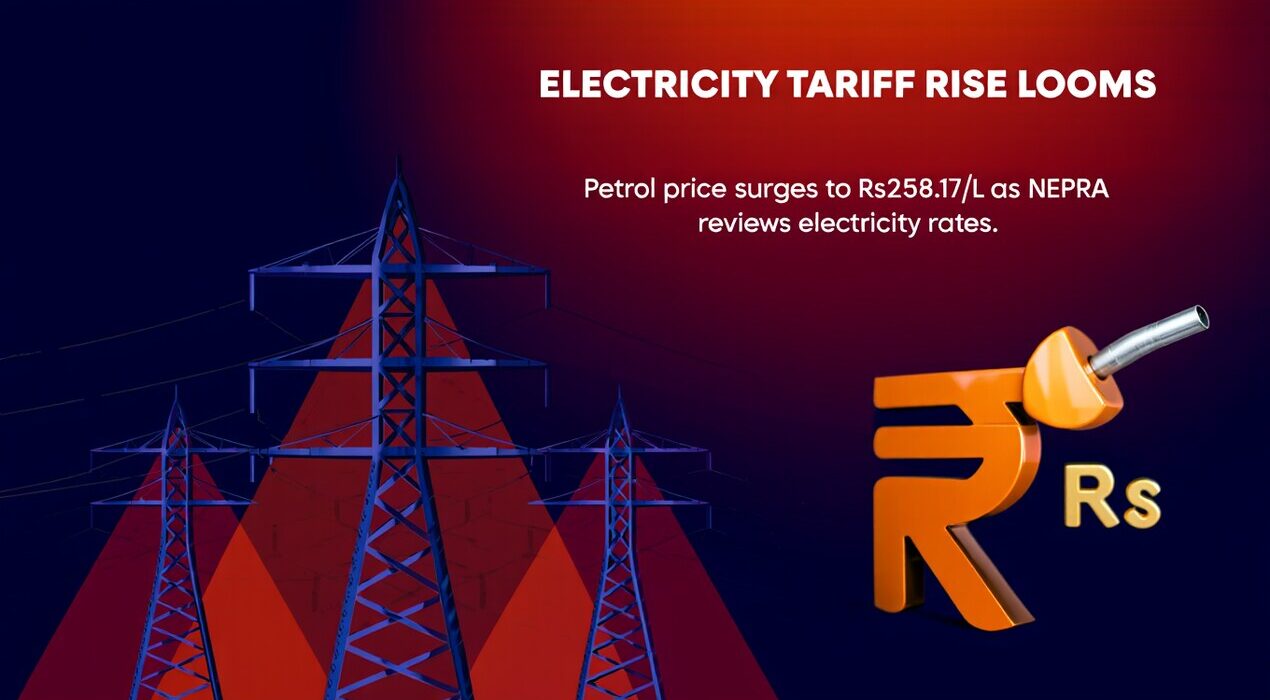
Pakistan may soon face an electricity tariff rise as petrol prices hit new levels. Today, petrol costs Rs258.17 per litre, up from earlier rates. High-speed diesel now sells at Rs275.70 per litre in the current fortnight. These prices affect transport, goods, and day-to-day life.
Many households already feel the pinch of higher fuel costs. Fuel adjustments now shape both petrol and electricity costs. However, energy decisions still hang in the balance.
Petrol Prices Push Expenses Up
The government recently raised petrol by Rs5 per litre. Diesel also went up by Rs7.32 for the next fortnight. These changes reflect global oil shifts and local taxes. Petrol price increases push commuting costs higher. Small vehicle owners and daily travelers feel this first. Businesses face higher transport costs too. As a result, prices of goods may climb across markets.
Diesel hikes usually impact heavy transport and agriculture. Farmers and truck drivers face bigger bills. This often adds indirect costs to food and services.
Petrol and diesel prices update twice monthly. For example, OGRA and the Petroleum Division set new rates on February 16, 2026.Many people now track these changes closely. They hope for relief soon. For some, rising fuel costs strain monthly budgets already stretched by inflation.
Electricity Tariff Rise Looms Next
Electricity costs may also rise soon. The National Electric Power Regulatory Authority (NEPRA) will review a request to raise tariffs. The Central Power Purchasing Agency wants an increase of Rs1.78 per unit due to higher fuel costs.
Right now, the cost per unit of electricity sits around Rs12.17 for January figures. Authorities use this baseline when deciding new adjustments. NEPRA will hear the proposal on February 26. Therefore, many consumers prepare for possible hikes. Higher electricity bills could hit homes and businesses alike.
Energy experts say fuel cost changes often feed into power tariffs. As a result, people may see their monthly bills climb. However, regulators also consider affordability when approving changes. Staying informed can help families budget better. For now, Pakistan watches these decisions closely.