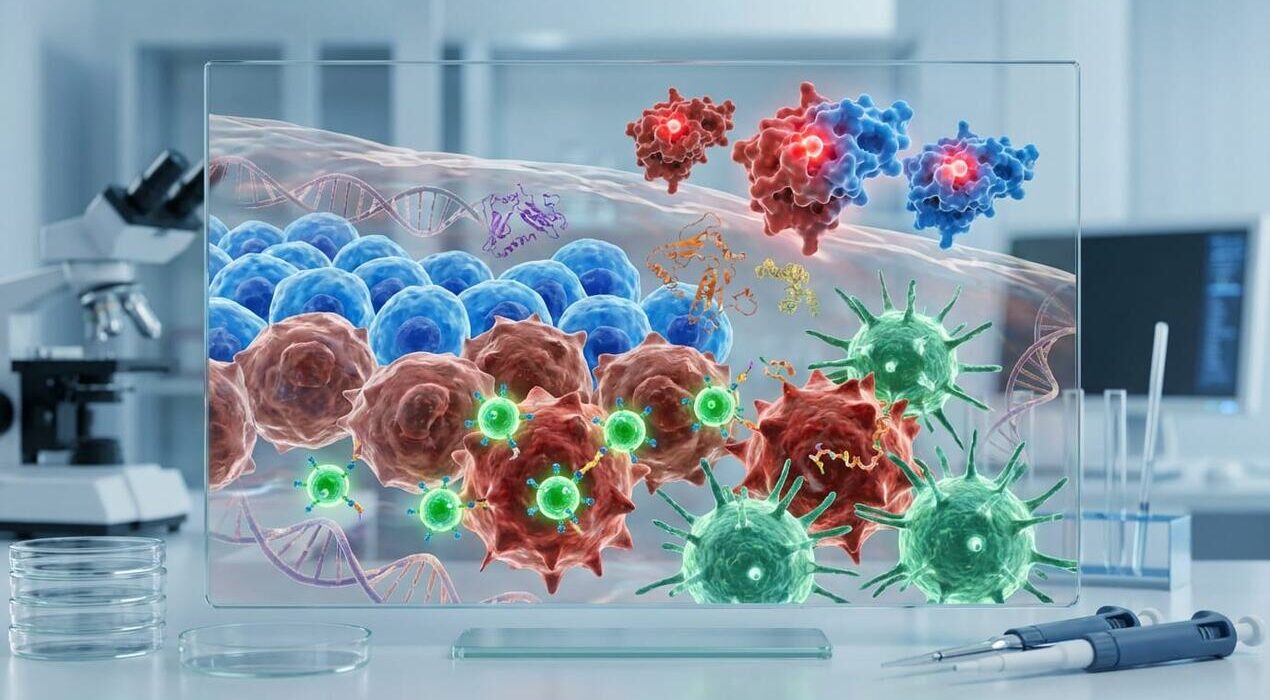
Experimental KRAS Cancer Vaccine Shows Promise Against Pancreatic Cancer
A new experimental cancer vaccine is showing encouraging results. It is called ELI-002. This vaccine targets KRAS mutations, which drive most pancreatic tumors. These mutations are difficult to treat. Therefore, researchers see this as a major breakthrough.
Why KRAS Mutations Matter
KRAS mutations fuel cancer growth in many patients. However, traditional treatments struggle to stop them.
Because of this challenge, KRAS has become a key focus in cancer research. ELI-002 aims to change that.
How the Vaccine Works
Patients received the vaccine after surgery or chemotherapy. This stage carries the highest risk of relapse. Microscopic cancer cells can remain hidden in the body. As a result, the disease often returns quickly. ELI-002 trains the immune system to recognize KRAS-mutated cells. Therefore, immune cells can attack before tumors regrow.
Strong Immune Response in Early Trials
Researchers observed strong T cell responses in many patients. These cells play a vital role in killing cancer cells.
Patients with the strongest immune activation showed delayed cancer recurrence. As a result, the vaccine appears to disrupt cancer’s return.
Why This Matters for Survival
Pancreatic cancer has one of the lowest survival rates worldwide. Late diagnosis and early relapse drive these outcomes.
A vaccine that reduces recurrence could transform treatment. However, researchers stress that larger trials are still needed.
Scientists believe ELI-002 could pair with other immunotherapies. This combination may offer stronger, long-term protection.
In addition, this approach could expand to other cancers with similar mutations. That possibility opens new doors for personalized care.
Teaching the immune system to fight KRAS-driven cancer marks real progress. Most importantly, it offers renewed hope for patients.