Foot and Mouth Outbreak UK: Crisis That Halted Farming and Trade
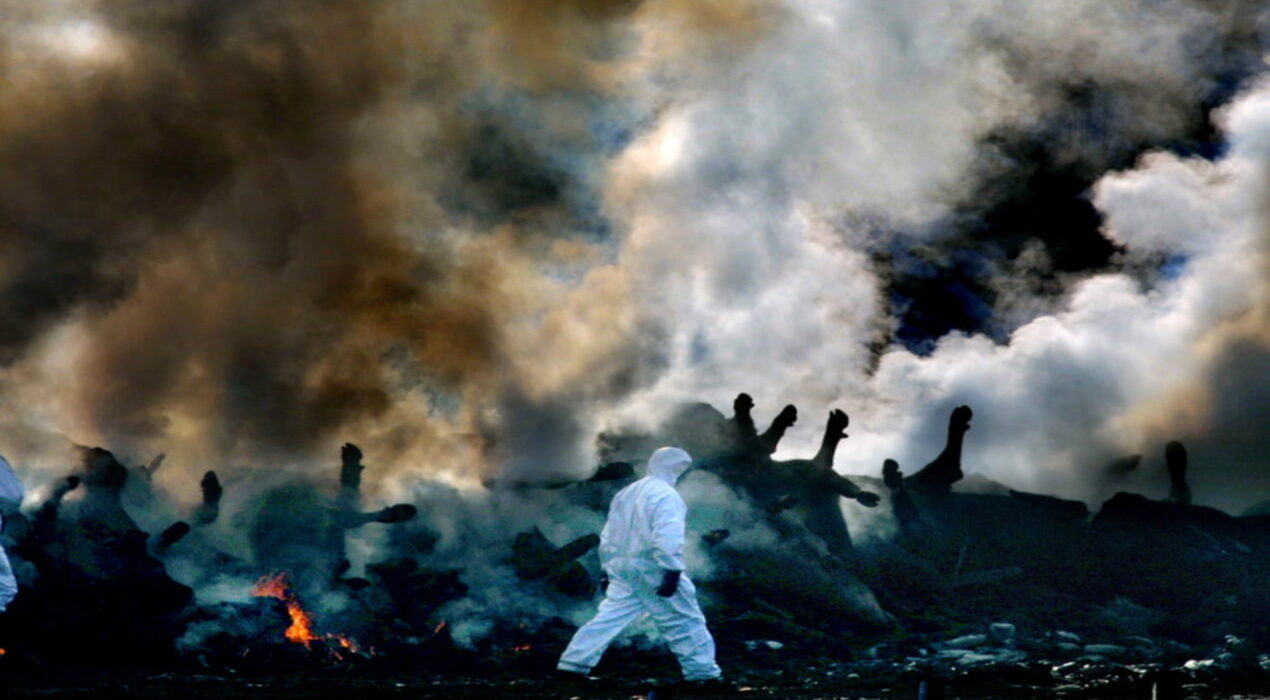
The foot and mouth outbreak UK became one of the worst animal disease crises in modern history. It spread rapidly across the United Kingdom and caused nationwide alarm. As a result, authorities culled around six million cattle, sheep, and pigs.
Mass funeral pyres became a haunting image across the countryside. In addition, rural communities faced strict lockdowns. Tourism collapsed, and movement across farms stopped completely. The situation grew so severe that the 2001 general election was delayed.
Export Ban and Industry Shock
Officials quickly imposed a global export ban on UK animals and related products. The decision followed coordination with the European Union. Consequently, farmers lost nearly £1 million each day.
The source of the virus remained unclear at the time. However, experts warned it could spread through the air. Therefore, then agriculture minister Nick Brown urged farmers to inspect livestock carefully.
The National Farmers’ Union described the situation as disastrous. Many farmers already faced financial pressure before the outbreak. Even so, they accepted the export ban as necessary to stop the disease.
Public Reassurance and Long-Term Impact
Meanwhile, the Food Standards Agency reassured the public about food safety. Officials confirmed the outbreak posed no direct risk to humans. However, consumer confidence still weakened.
Foot-and-mouth disease spreads extremely fast among livestock. As a result, strict measures like mass culling remained the only solution. The outbreak affected more than 10,000 farms nationwide.
In the long term, the crisis reshaped farming policies and biosecurity rules. It also highlighted the importance of rapid response systems. Today, the foot and mouth outbreak in the UK remains a key lesson for global agriculture and disease control efforts.