Fresh Ice from Enceladus Reveals Stunning New Clues to Life
A Glimpse into Enceladus’s Hidden Ocean
The keyphrase fresh ice Enceladus appears right away. Scientists have discovered intriguing signs of organic compounds in freshly ejected ice grains from Saturn’s moon Enceladus. These findings offer new clues about what lies beneath its frozen crust.
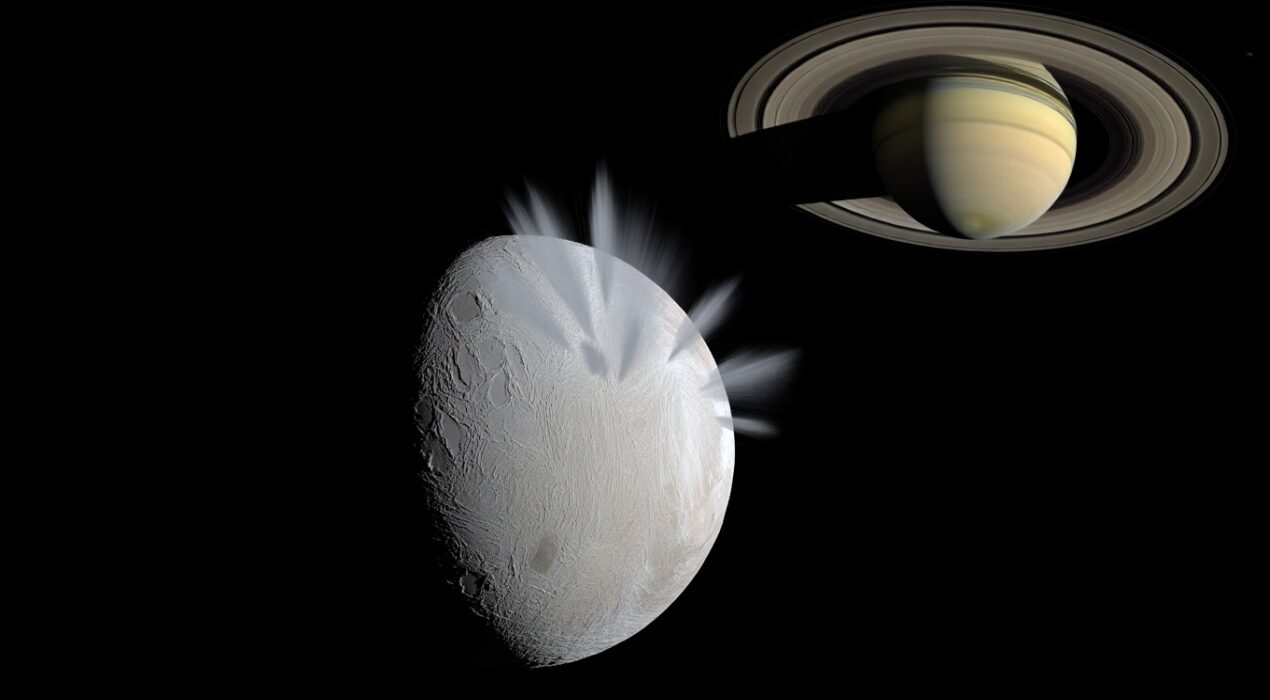
The ice comes from geysers that erupt near the moon’s south pole. Therefore, the material is newly formed and less affected by space radiation. This freshness makes it ideal for studying the moon’s internal chemistry.
What Scientists Found
Researchers detected complex organic molecules within this icy material. These included compounds containing carbon, hydrogen, nitrogen, and oxygen—key ingredients for life. In addition, the study suggests that these molecules may come from a vast ocean hidden beneath Enceladus’s surface.
This ocean may contain chemical reactions that provide energy, similar to those found around Earth’s deep-sea vents. As a result, Enceladus has become one of the most promising locations in the solar system for studying potential life.
Why This Discovery Matters
The fresh ice Enceladus discovery shows that essential building blocks for life might exist far from Earth. It strengthens the idea that life could develop wherever water and organic chemistry meet. However, it does not confirm that life exists there—only that the conditions may allow it.
Future space missions aim to fly through these icy plumes again and collect more detailed samples. In addition, scientists plan to design probes that could one day explore Enceladus’s hidden ocean directly. These efforts bring humanity one step closer to answering the age-old question—are we alone?