Gas Market Shift: Pakistan Moves to End Fixed Returns as Private Firms Enter
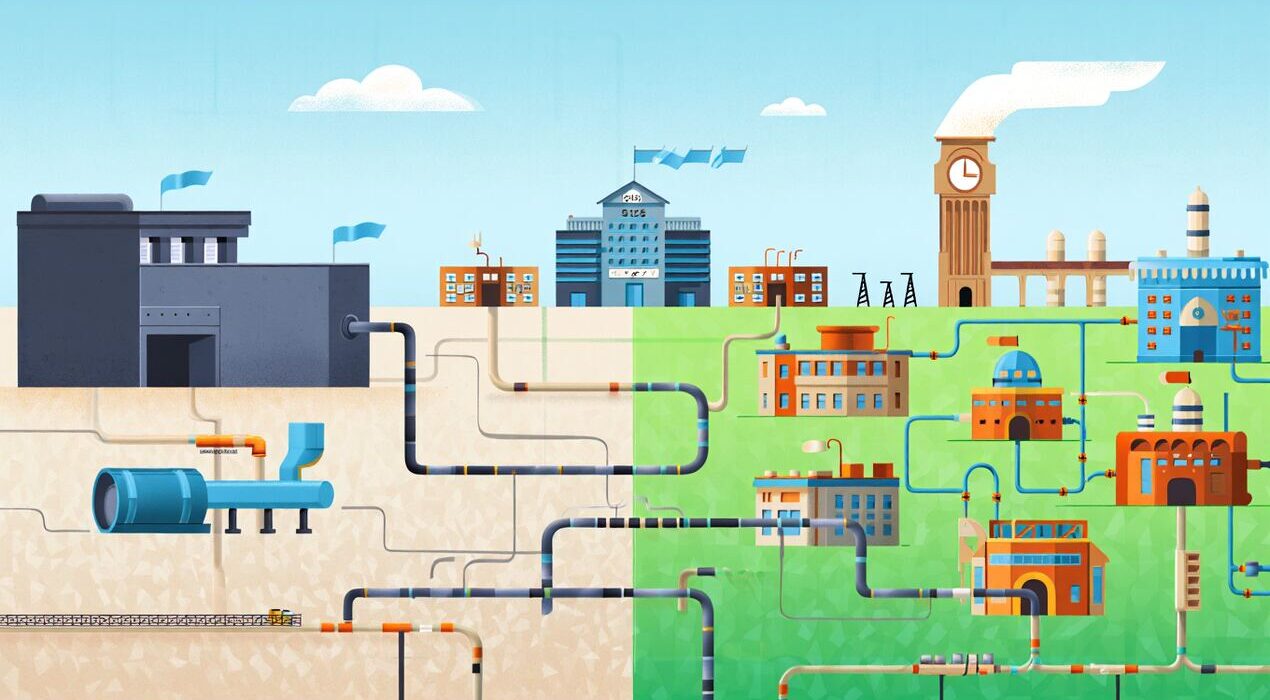
Pakistan is preparing for a major gas sector shake-up as private investors enter the market. This gas market reform will push public utilities to operate on commercial principles. As a result, the government plans to end the fixed asset-based return model.
The state has already increased private-sector access to new gas fields from 10 to 35 percent. Until now, only two public companies managed gas supply. However, new private suppliers will soon introduce competition.
The Oil and Gas Regulatory Authority has held hearings to grant gas marketing licences. Several firms applied after the government announced the higher gas allocation. Therefore, market dynamics are set to change rapidly.
Utilities Face Structural Changes
Sources say the government has asked Ogra to restructure public gas utilities. The plan includes scrapping the fixed asset return formula. In addition, Ogra has hired a consultant to review the current system.
The consultant will submit findings by the end of December. Meanwhile, the Petroleum Division is working with the World Bank on wider sector reforms. Currently, SNGPL and SSGC earn profits based on asset size, not performance.
As pipeline networks expanded, gas prices and utility profits rose. However, gas shortages also increased across the country. Consumers now face higher costs as a result.
SNGPL’s operating costs jumped from Rs66 billion in FY2020 to Rs94 billion in FY2024. Its earnings still doubled during this period despite declining gas availability. Industries have strongly criticised this outcome.
They also object to the unaccounted-for-gas benchmark. Many argue for one uniform standard and a legal review of existing rules.
Cross-Subsidy to End by 2026
Cross-subsidy has long shaped gas pricing in Pakistan. Domestic users paid lower tariffs, while industries paid more. However, lenders and businesses have demanded change.
The government now plans to end cross-subsidy by 2026. Instead, it will offer direct subsidies through the Benazir Income Support Programme. This move mirrors reforms in the power sector.
Residential consumers currently receive over Rs150 billion in hidden support. Ending this system aims to create transparency and restore balance in the gas market reform agenda.