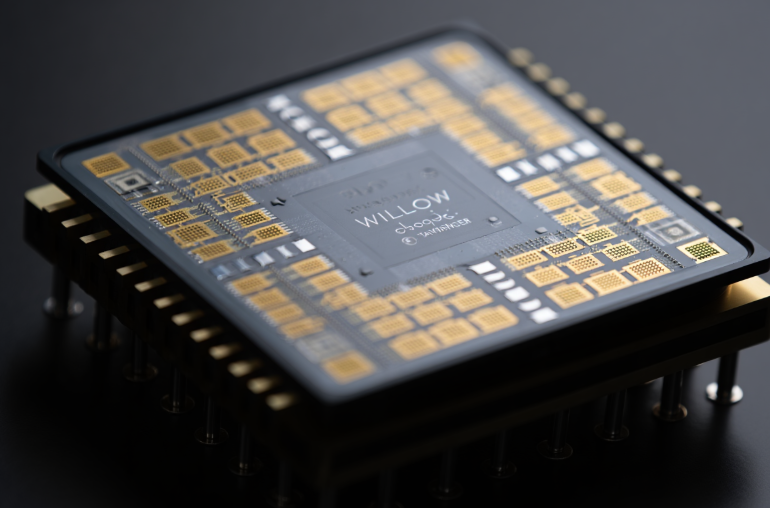
Google’s Tensor G5 Chip Struggles Under Pressure
The much-anticipated Tensor G5 chip was meant to power Google’s next-gen Pixel devices. However, early tests reveal it’s running into serious performance issues. Users report that the chip overheats during demanding tasks, leading to slower speeds and frame
drops.
This problem affects both gaming and multitasking. When the chip gets too hot, it automatically reduces performance to cool down. As a result, users experience lag and reduced efficiency.
Why the Issue Exists
The Tensor G5 chip uses a mix of components from different manufacturers. While this approach aims to balance efficiency and power, it also makes optimization tricky. The result is inconsistent thermal control and uneven performance across various apps.
Even though the chip is built on an advanced 3-nanometer process, it still struggles to maintain stability during long gaming sessions. Therefore, users expecting top-tier power might be disappointed.
What This Means for Pixel Users
For light use—like calls, messaging, or browsing—the Tensor G5 performs fine. However, gamers and heavy users may face slowdowns and overheating alerts. Google is expected to release software updates to improve heat management, but hardware limitations could remain.
In short, the Tensor G5 chip offers clever AI and camera improvements but sacrifices sustained speed. If gaming performance matters most, this could be a deal-breaker.