Hair extension chemicals study reveals hidden cancer risks
A new study by Silent Spring Institute reveals serious concerns about hair extension chemicals. Researchers found dozens of harmful substances in widely used products. As a result, health experts are urging more awareness and caution.
The study appeared in the American Chemical Society journal Environment & Health. It highlights growing concern about long-term exposure risks. Many users wear extensions for style, culture, and ease.
Hidden chemicals in everyday products
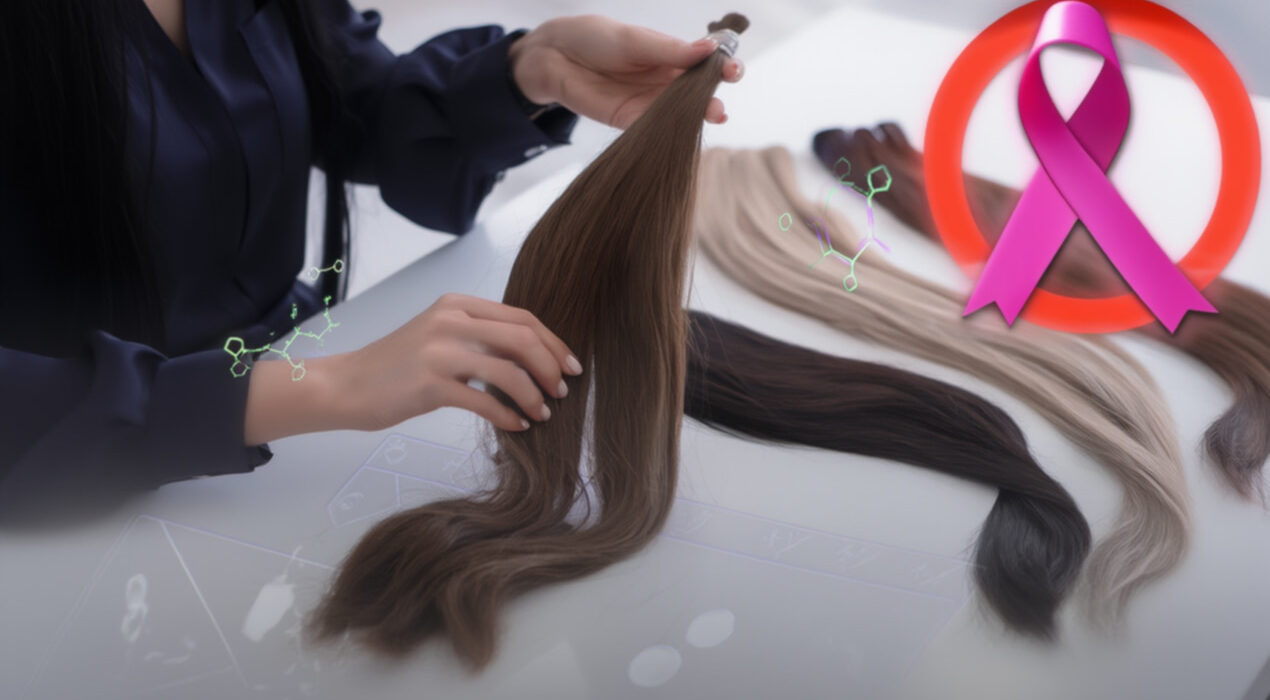
Hair extensions often contain synthetic or natural fibers. However, manufacturers treat them with chemicals for durability. These include flame resistance, waterproofing, and antimicrobial protection.
Companies rarely disclose full ingredient lists. Therefore, users may not know what they are exposed to. In addition, extensions sit close to the scalp and skin for long periods. Heat styling can make things worse. For example, high temperatures may release harmful fumes. As a result, users could inhale toxic substances unknowingly.
Study reveals alarming health risks
Researchers tested 43 popular products from stores and online platforms. They used advanced tools to detect chemical compounds. In total, they identified over 900 chemical signals. Among these, 169 chemicals were confirmed across different groups. Many are linked to cancer, hormone disruption, and immune effects. For instance, substances like phthalates and flame retardants appeared often.
Nearly all tested samples contained hazardous chemicals. Some even exceeded safety limits used in regions like the European Union. This raises serious safety questions.
Calls for stronger regulation
Experts now demand better oversight of beauty products. The global market continues to grow rapidly. Therefore, safety standards must keep pace.
In places like New York and New Jersey, lawmakers are pushing new rules. These include ingredient disclosure and limits on toxic substances.
At the national level, proposals also aim to increase regulation. Stronger policies could protect users and improve transparency. As a result, safer products may become more common.