Health Literacy as a Bridge to Equity: Key Takeaways from the ELLOK 2026 Conference
The 10th Annual Conference of the Hellenic Cancer Federation (ELLOK), held in Athens, brought a critical public health issue into sharp focus. In a session dedicated to “Health Literacy in Focus: Opportunities and Challenges,” experts from Greece and across Europe explored how empowering people with clear health information is fundamental to reducing inequalities in cancer care.
The central theme was that health literacy is more than individual knowledge—it is a structural factor that determines access to care. Low health literacy can deepen disparities, particularly for communities facing socioeconomic, cultural, or language barriers, affecting everything from participation in cancer screening to understanding complex treatment options.
Designing Lasting, User-Centered Solutions
A key insight from the discussion, led by Nikolina Dodlek, was the need to move beyond short-term awareness campaigns. Effective health literacy initiatives must be designed for sustainability and active user involvement. This means creating adaptable educational materials and seeking continuous feedback from the very people the programs aim to serve, ensuring they are practical and reflect real-world needs.
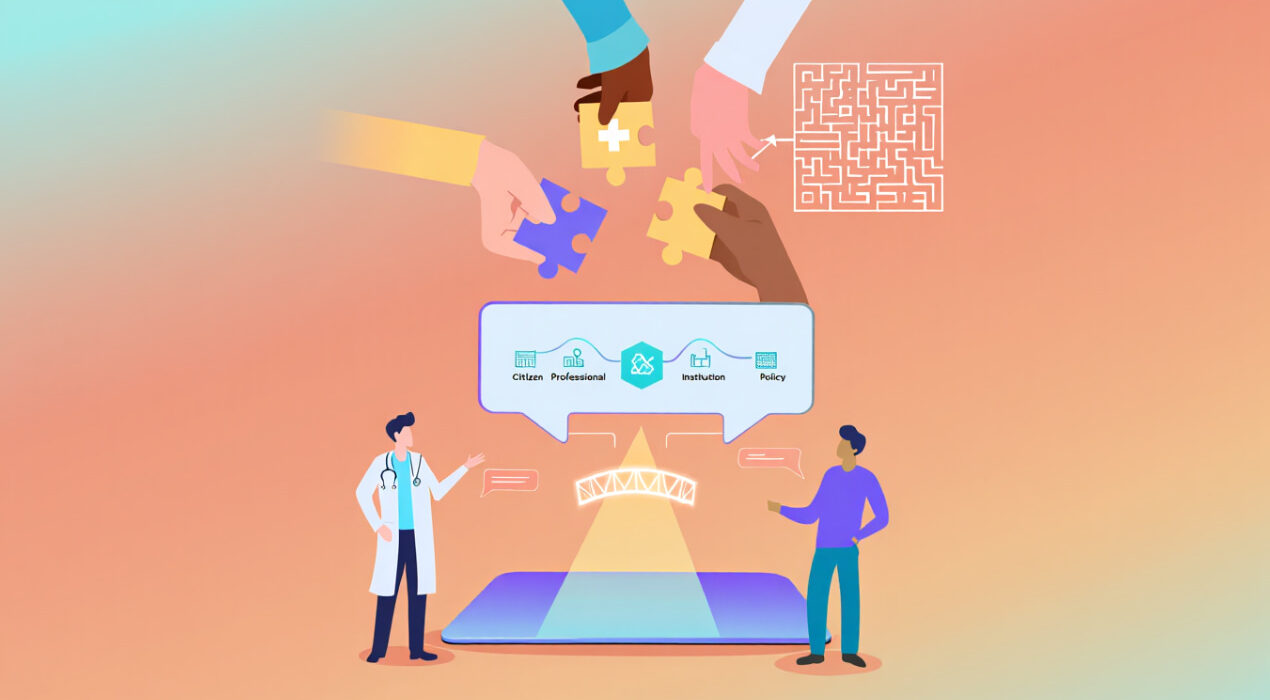
Marius Geanta expanded this view, framing health literacy as a system-wide capability, not just an individual skill. He advocated for a coordinated European approach to make cancer prevention and treatment pathways more navigable for everyone, positioning clear communication as a crucial bridge between patients, professionals, and healthcare institutions.
The Digital Frontier: Opportunity and Risk
The conference also looked ahead to the role of technology. While digital tools and AI can expand access to information, speakers warned that a digital divide could worsen existing inequalities if not managed carefully. The future of health literacy depends on developing reliable, fair, and safe digital resources that truly serve vulnerable populations.
Ultimately, the session presented a clear, actionable path: improving cancer outcomes requires coordinated efforts that simultaneously empower citizens, train professionals, simplify healthcare systems, and implement supportive policies.