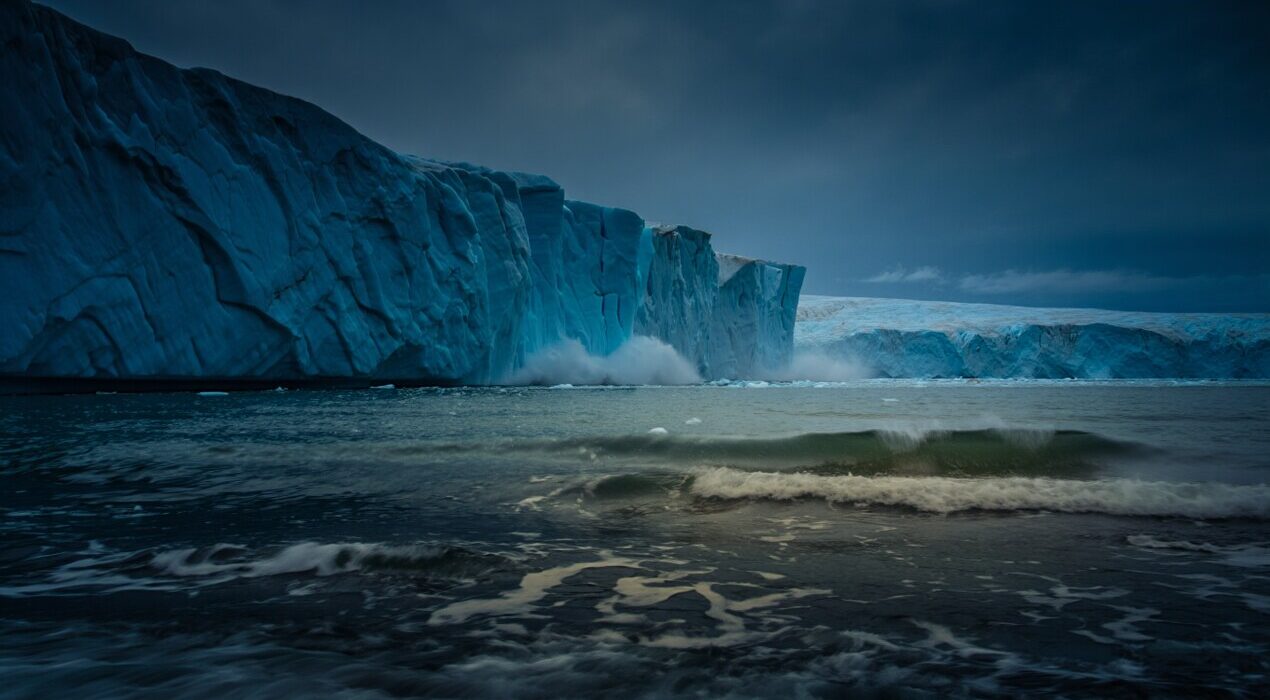
Hidden Heat Beneath Greenland May Change Future Sea Level Forecasts
The research team worked with experts from Europe and Canada. They combined satellite data with field measurements. In addition, they ran thousands of computer simulations. These advanced models reveal uneven heat beneath Greenland. Some areas stay much warmer than others. However, this pattern did not appear randomly. Scientists link the heat to Greenland’s ancient journey. Millions of years ago, the landmass passed over a volcanic hotspot. Therefore, that history still shapes today’s underground temperatures.
Underground Heat MattersHeat beneath the ice influences how glaciers move. Warmer rock allows ice to slide faster. As a result, melting can increase in certain regions. Underground temperatures also affect land movement. Scientists rely on satellite data to track these changes. However, heat variations can alter how that data appears. According to researchers, understanding these factors improves accuracy. Better data interpretation leads to stronger climate insights. This clarity matters for everyone.
Improving Sea Level Predictions
The team studied seismic waves, gravity changes, and heat flow. Together, these data sources offer a complete picture. For example, they show how heat and ice interact. By improving ice-earth models, scientists refine sea level forecasts. These improvements help coastal communities plan ahead. Therefore, this research has real-world value. Experts say the study connects geology and climate science. It shows how Earth’s deep history shapes today’s climate risks. In conclusion, hidden heat beneath Greenland plays a larger role than once believed.