High Altitude Diabetes Protection: Red Blood Cells Act as Sugar Sponges
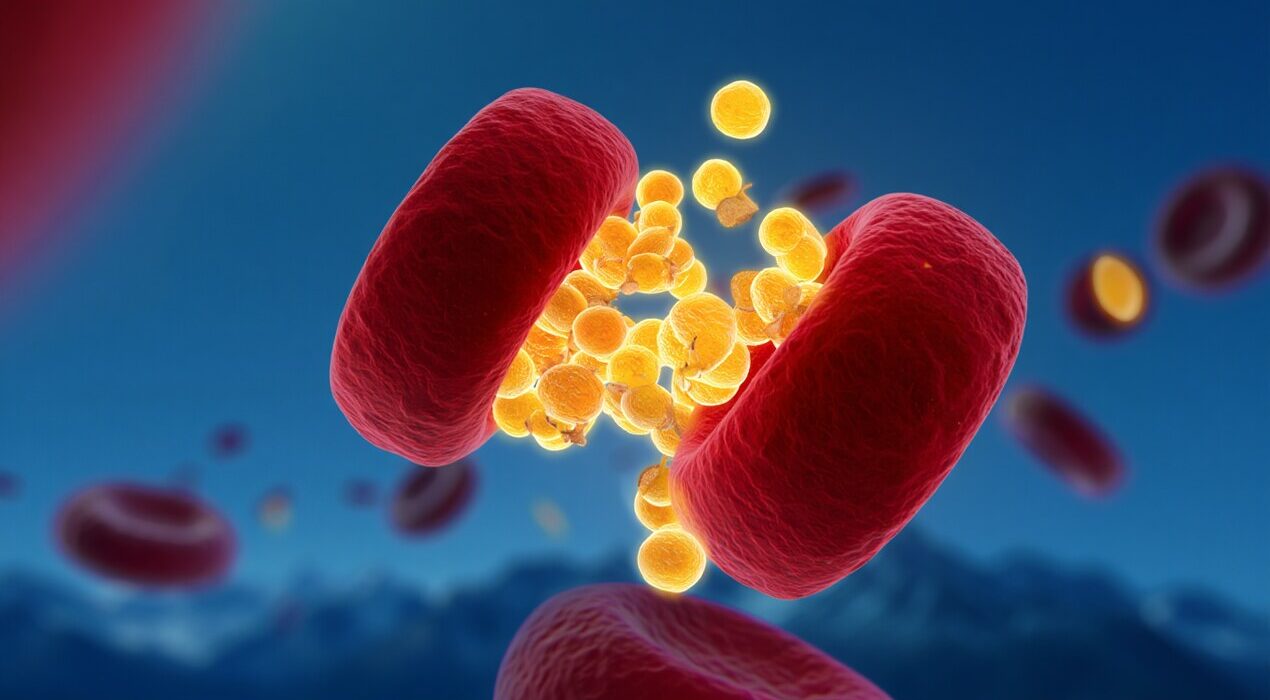
Scientists finally know why high altitude protects against diabetes. The answer lies inside your red blood cells.When oxygen levels drop, red blood cells switch into a new mode. They start absorbing large amounts of glucose from the bloodstream. In effect, they become sugar sponges.This helps the body cope with thin air. As a result, it also lowers blood sugar levels naturally.The discovery comes from Gladstone Institutes researchers. They published their findings in the journal Cell Metabolism.
Red Blood Cells Act Like Sugar Sponges
Dr. Isha Jain led the research team. “Red blood cells represent a hidden compartment of glucose metabolism,” she explains.The team first noticed something strange in mice. Animals exposed to low oxygen cleared sugar from their blood almost instantly. However, major organs like muscle and liver showed no change.Where did the sugar go? The answer surprised everyone.Red blood cells were the missing piece. Under low oxygen, these cells produce more of themselves. Each individual cell also absorbs more glucose than normal.This matters because scientists viewed red blood cells as simple oxygen carriers. Now we know they play a bigger role in metabolism.
How Low Oxygen Triggers Change
Red blood cells need glucose to help release oxygen to tissues. This process becomes vital when oxygen runs low.”Red blood cells can account for a substantial fraction of whole-body glucose consumption,” says Dr. Angelo D’Alessandro from University of Colorado.The metabolic benefits lasted for weeks after mice returned to normal oxygen levels.
Drug Mimics High Altitude Effect
Researchers tested HypoxyStat, a drug developed in Jain’s lab. The pill causes red blood cells to hold oxygen more tightly. This mimics living at high altitude.In diabetic mice, the drug reversed high blood sugar completely. It actually worked better than existing treatments.”This opens the door to thinking about diabetes treatment in a fundamentally different way,” Jain shares.The approach recruits red blood cells as glucose sinks. This could lead to entirely new diabetes medications.