How Our Parallel Paths Shape Success in Rabies Control
Rabies is a terrifying disease that is nearly always fatal. However, it is also almost entirely preventable with the right care. In Sindh, every new case reflects a major failure in our public systems.
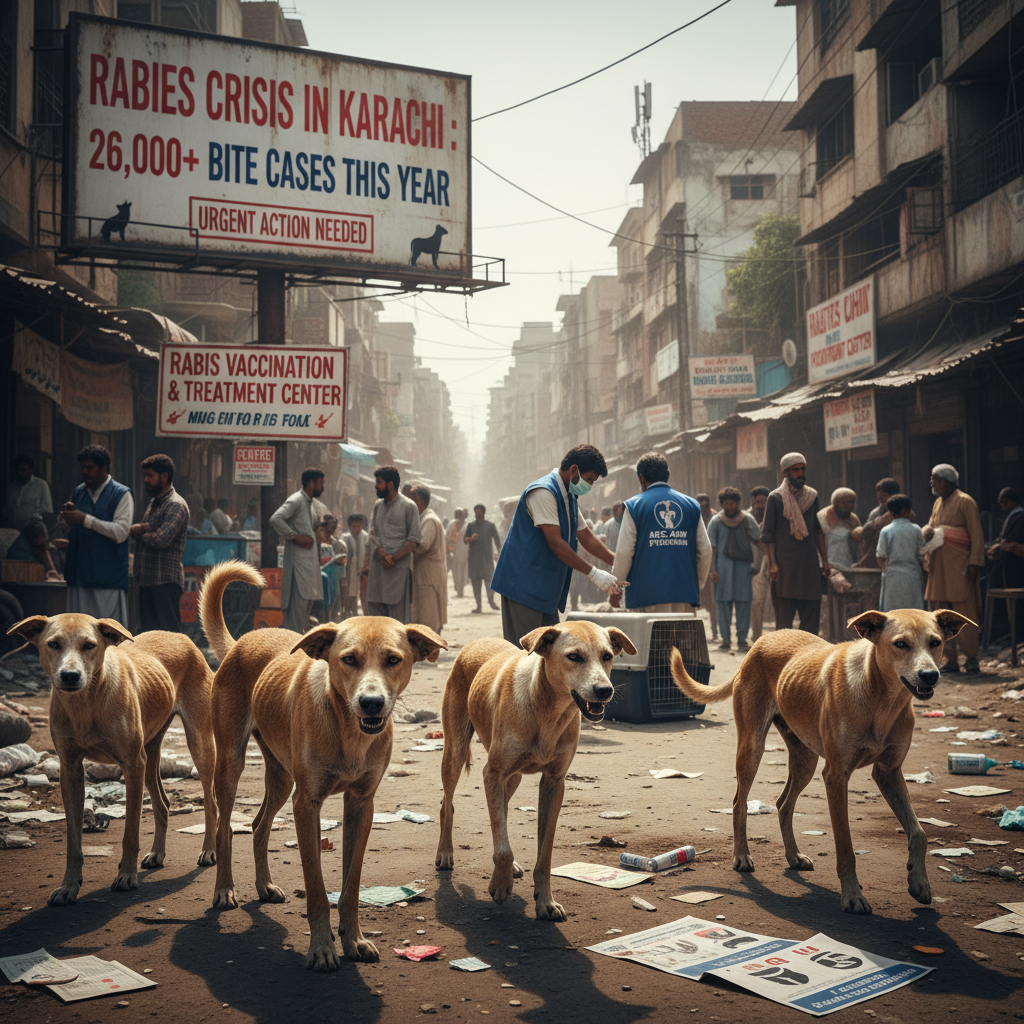
Karachi faces a very grim situation regarding this growing health crisis. For instance, a single infected dog recently bit twenty people in Korangi. This event caused massive panic and left hospitals completely overwhelmed. Sadly, a teenage girl died because the response was not fast enough.
The Failure of Current Policy
Stray dogs continue to roam freely in schools and busy markets. The provincial government claims that hundreds of rabies centers are currently functional. They also report that thousands of dogs have been vaccinated or neutered. Millions of rupees are spent on helplines and mobile awareness apps. Yet, these parallel paths shape success only if the results reach the streets. On the ground, vaccines remain scarce and the danger stays high.
The Need for Balanced Activism
We must also address the silence from certain local activist groups. These organizations often halt dog control operations in the name of animal rights. While animal welfare is important, we must also value human life. Compassion should not be selective when children are at risk. We need a solution that protects both animals and the public. Therefore, a more balanced approach is necessary for our city.
Building an Integrated Model
True safety requires more than just symbolic actions from the authorities. We must follow global models like mass vaccination and strict waste management. In addition, every bite victim needs immediate access to life-saving treatment. Regulated breeding and better surveillance will also help reduce the stray population. Sindh must adopt these evidence-based strategies with a sense of urgency. Only then can we stop this preventable tragedy from claiming more lives