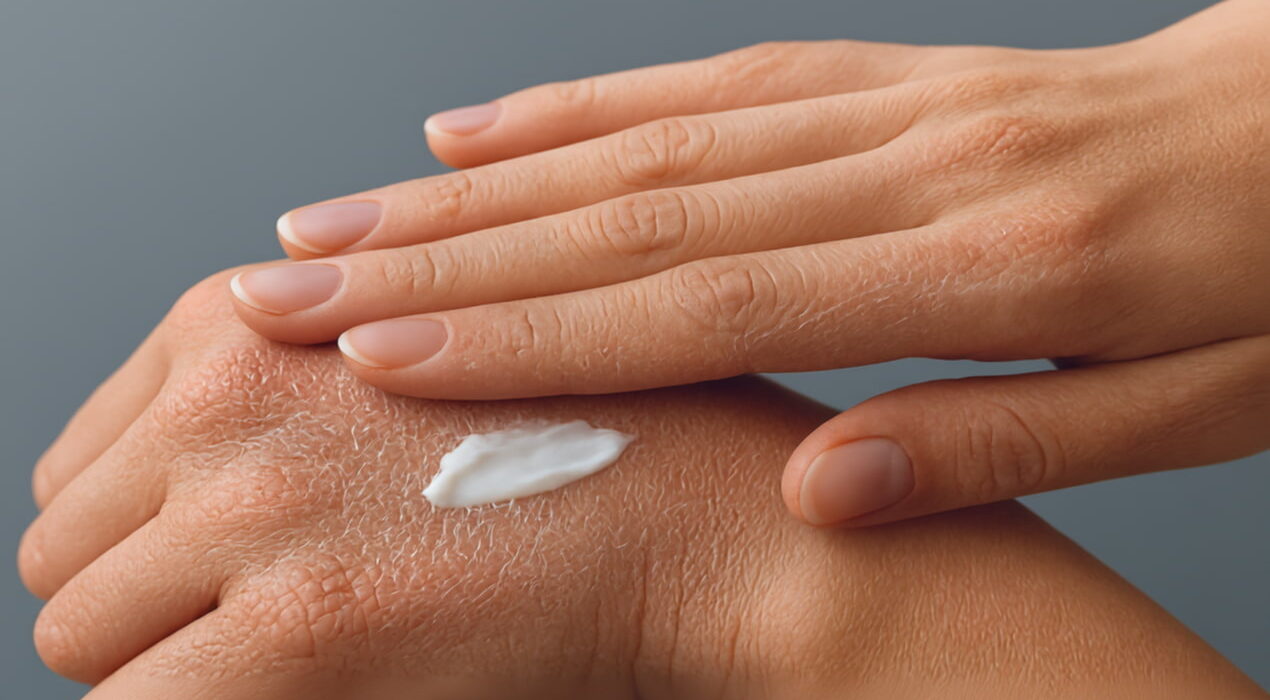
How to Prevent Dry Skin in Winter – Simple Tips for Soft, Healthy Skin
As soon as winter sets in, many people notice their skin becoming dry, hard, and rough. The drop in temperature and humidity plays a major role, but the problem runs deeper than just cold air.
To understand why the skin becomes dry in winter, it’s important to know how it works. The skin has three main layers. The innermost layer contains fat, which helps store energy and maintain warmth. Above it lies the dermis, which holds blood vessels, nerves, sweat glands, and hair roots. The outermost layer, called the epidermis, acts as the main protective shield. This is where dryness usually appears. It’s made up of several layers of cells that move upward, die, and eventually shed. This natural renewal process takes about a month, but when moisture levels drop, the surface becomes rough and flaky.
Why the skin dries out in winter
When cold winds blow, moisture quickly evaporates from the skin’s surface. As a result, the skin loses hydration and feels tight, scaly, and uncomfortable. Indoor heating systems further reduce air humidity, making the problem worse. Long, hot showers and harsh soaps also strip away the skin’s natural oils, weakening its protective barrier. Therefore, both outdoor cold and indoor heat contribute to winter dryness.
Simple ways to prevent dry and rough skin
To protect your skin during winter, follow a few simple steps. Use lukewarm water instead of hot water for baths and showers, as excessive heat dehydrates the skin. Keep baths short because prolonged exposure to water removes natural oils. Apply a moisturizer immediately after cleansing to lock in hydration. In addition, use a humidifier indoors to maintain air moisture and prevent dehydration.
These small lifestyle changes can help maintain your skin’s natural softness. However, if you experience severe itching, cracks, or bleeding, it may be a sign of a skin condition that needs medical attention. In such cases, consulting a dermatologist is strongly recommended.