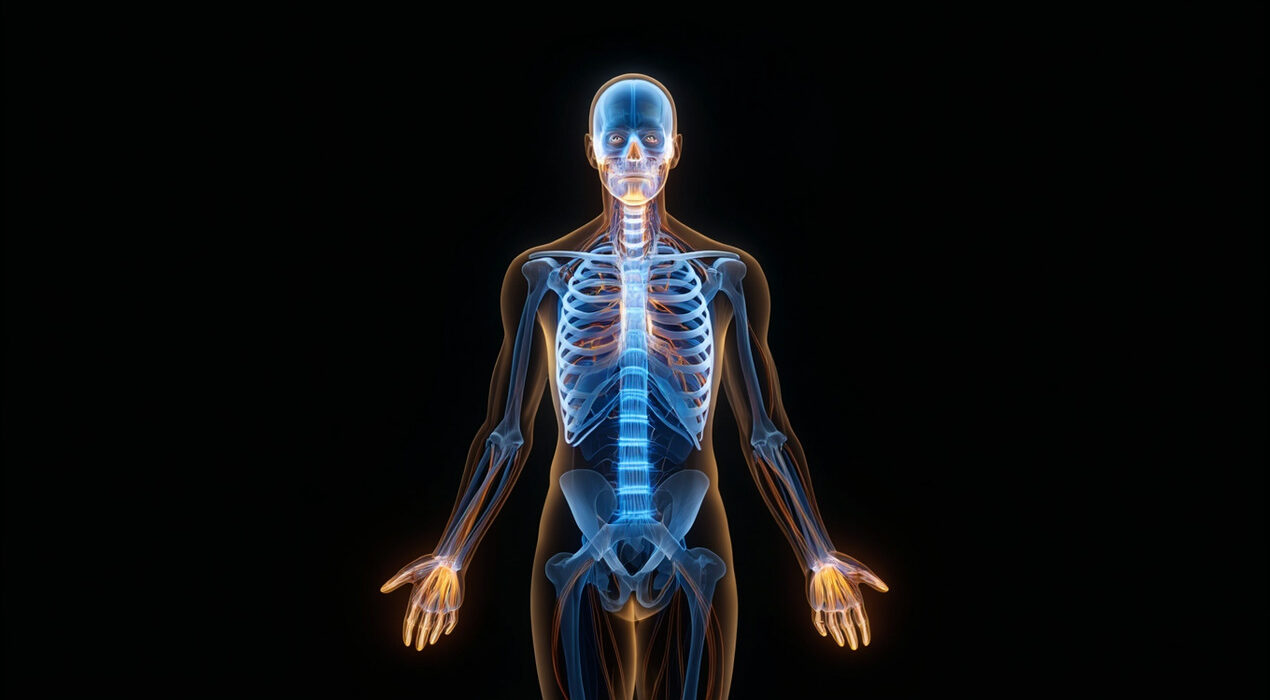
Human Anatomy Still Holds Secrets: New Discoveries Reshape Medicine
Think we know everything about the human body? Think again. Textbooks make anatomy look neat and finished. But real bodies are far messier.Early anatomists like Vesalius relied on stolen cadavers. They worked with poor lighting and diseased bodies. Their sample sizes were tiny. As a result, their “normal” anatomy came from a narrow group of people. Therefore, many variations went unnoticed.
Why Variation Is Normal
For much of the 20th century, anatomical research slowed down. Everyone assumed the map was complete. However, modern imaging has changed that. Today, scientists are rediscovering how much we missed.Human anatomy varies a lot. Blood vessels take different routes. Some people have extra muscles. Others miss certain bones. These differences are not defects. They are simply part of being human.
What This Means for Your Health
Anatomical variation matters beyond the operating room. For example, nerve differences can change how pain feels. Joint variations may raise the risk of arthritis. Understanding this diversity helps doctors diagnose better.In addition, new structures keep appearing. Scientists recently found unknown lymphatic vessels around the brain. They also discovered overlooked knee ligaments. The human body still yields surprises.So no, anatomy isn’t finished. The more we look, the more we learn. That’s good news for everyone. Your body is unique, and science is finally catching up.