IMF Super Tax Abolition Demand Gains Momentum from MNCs, PBC
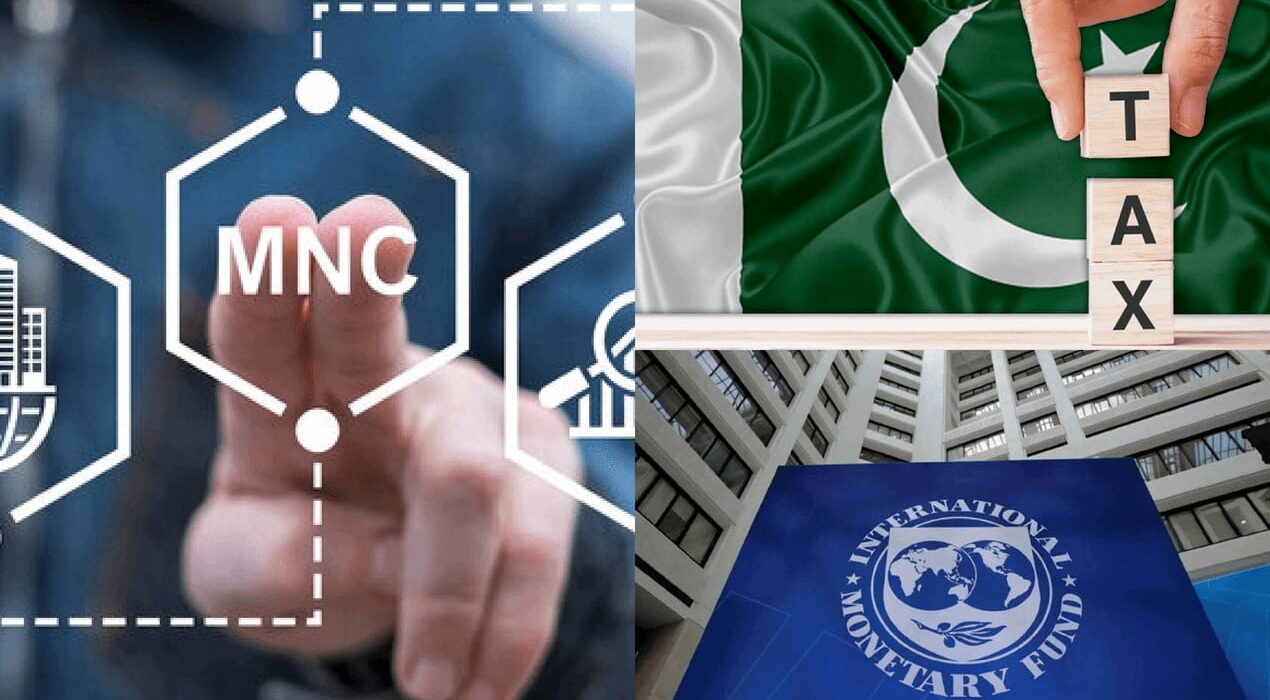
The IMF super tax abolition demand is growing louder in Pakistan. Multinational and major local firms have urged the International Monetary Fund (IMF) to remove the super tax. They also want a phased cut in corporate tax.
Business leaders say high taxes hurt compliant companies. Meanwhile, many undocumented sectors avoid paying their fair share. As a result, formal businesses feel unfairly targeted.
Meetings with Key Business Groups
The visiting IMF review mission held meetings in Karachi. It met the Overseas Investors Chamber of Commerce & Industries (OICCI), which represents over 200 multinational firms. It also met the Pakistan Business Council (PBC), which includes 110 major companies. Both groups shared similar concerns. They explained that the tax structure places a heavier burden on documented sectors. Therefore, many businesses struggle to stay competitive.
Dr. Zeelaf Munir led the PBC delegation. The IMF mission was headed by Iva Petrova, with Mahir Binici also present. Together, they discussed how Pakistan can move from economic stabilisation to export-led growth.
Key Tax and Energy Proposals
The PBC offered five main recommendations. First, it called for immediate cuts in corporate and sales tax rates. In addition, it demanded IMF super tax abolition in all forms. The council also asked for the removal of inter-corporate dividend tax and withholding tax on exports. Moreover, it urged reforms in advance tax rules, which act like minimum taxes. Business leaders stressed that the tax base should expand. However, the burden should not increase on those already paying. Stronger enforcement can bring untaxed sectors into the net. Energy costs also came under discussion. Industrial tariffs remain high and volatile. As a result, manufacturers find it hard to compete globally. The PBC suggested lowering energy rates. It also proposed factoring in savings from debt repayments of power companies.
Focus on Growth and Jobs
Stabilisation has helped improve key indicators. For example, the policy rate stands at 10.5%, and Pakistan has recorded a primary surplus. However, businesses now want growth, jobs, and productivity. Leaders believe fiscal space should support industry. In turn, this can boost exports and create employment. Policy consistency will also help restore investor confidence. The IMF super tax abolition debate highlights a bigger issue. Pakistan must balance revenue needs with sustainable growth. Businesses say fair reforms can unlock long term economic potential.