India Gas Supply Cuts After Qatar LNG Halt Spark Industry Alert
India gas supply cuts have started after Qatar stopped LNG production. Companies moved quickly to manage lower imports. As a result, several industries now face tighter fuel access. Qatar halted liquefied natural gas output on Monday. The move followed rising tensions in the Middle East. Therefore, global energy markets reacted immediately.
Why Qatar LNG Halt Matters
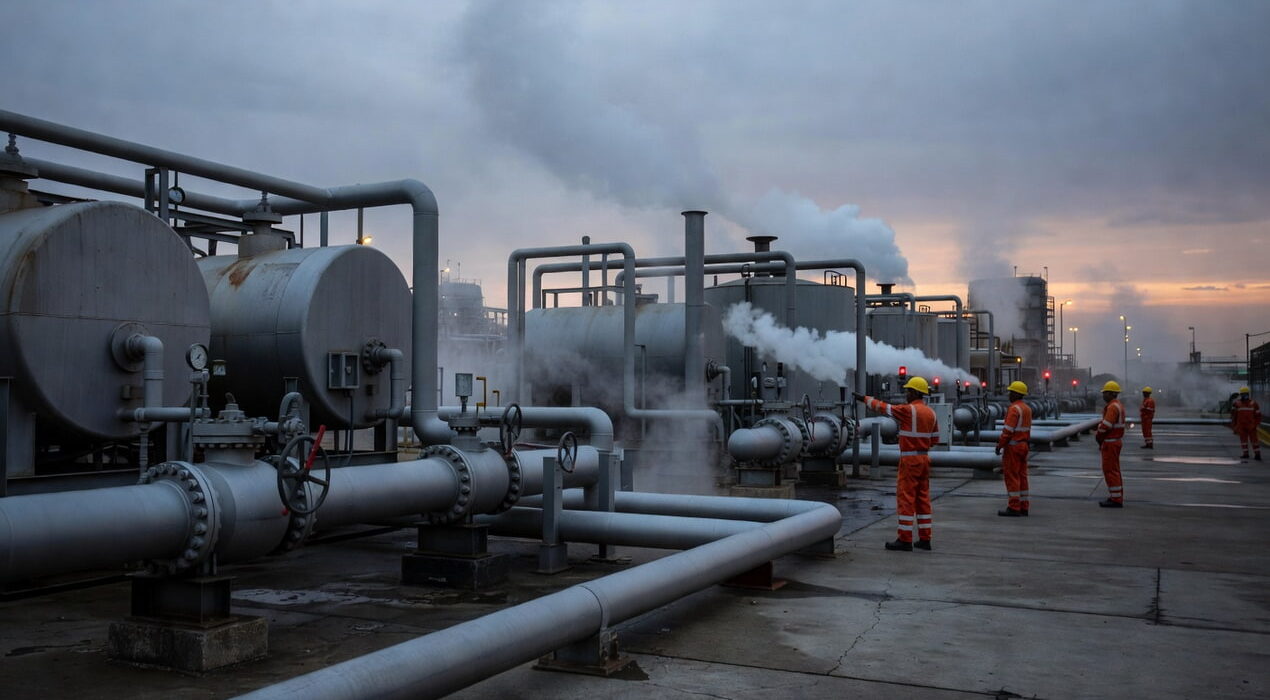
Qatar plays a key role in global LNG trade. It supplies major buyers, including India. When production stops, buyers feel the impact fast. Recent regional strikes disrupted energy routes. In addition, shipments through the Strait of Hormuz slowed down. This situation pushed up shipping and insurance costs.
India depends heavily on Middle East energy. In fact, it ranks as the world’s fourth-largest LNG buyer. So, any supply shock creates pressure at home.
Companies Respond to Lower Supply
Petronet LNG Ltd informed partners about reduced cargo availability. It alerted GAIL (India) Ltd and other firms. Soon after, suppliers began cutting deliveries. Indian Oil Corporation also notified customers about the changes. The cuts range between 10% and 30%. However, companies structured them within minimum contract limits.
This step helps avoid penalties under supply agreements. At the same time, it protects suppliers from legal risks. Industry sources confirmed the strategy.
Spot Market Plans and Price Pressure
To bridge the gap, firms plan to buy LNG from the spot market. For example, GAIL and IOC may issue fresh tenders. However, spot prices have surged sharply. Freight and insurance rates have also climbed. As a result, import costs could rise further. This trend may eventually affect industrial production costs.
India remains a major LNG client for the Abu Dhabi National Oil Company and Qatari suppliers. Therefore, any prolonged disruption could strain supply chains. For now, companies are balancing contracts and market purchases. The coming weeks will show how long the pressure lasts. Meanwhile, industries prepare for possible volatility.